
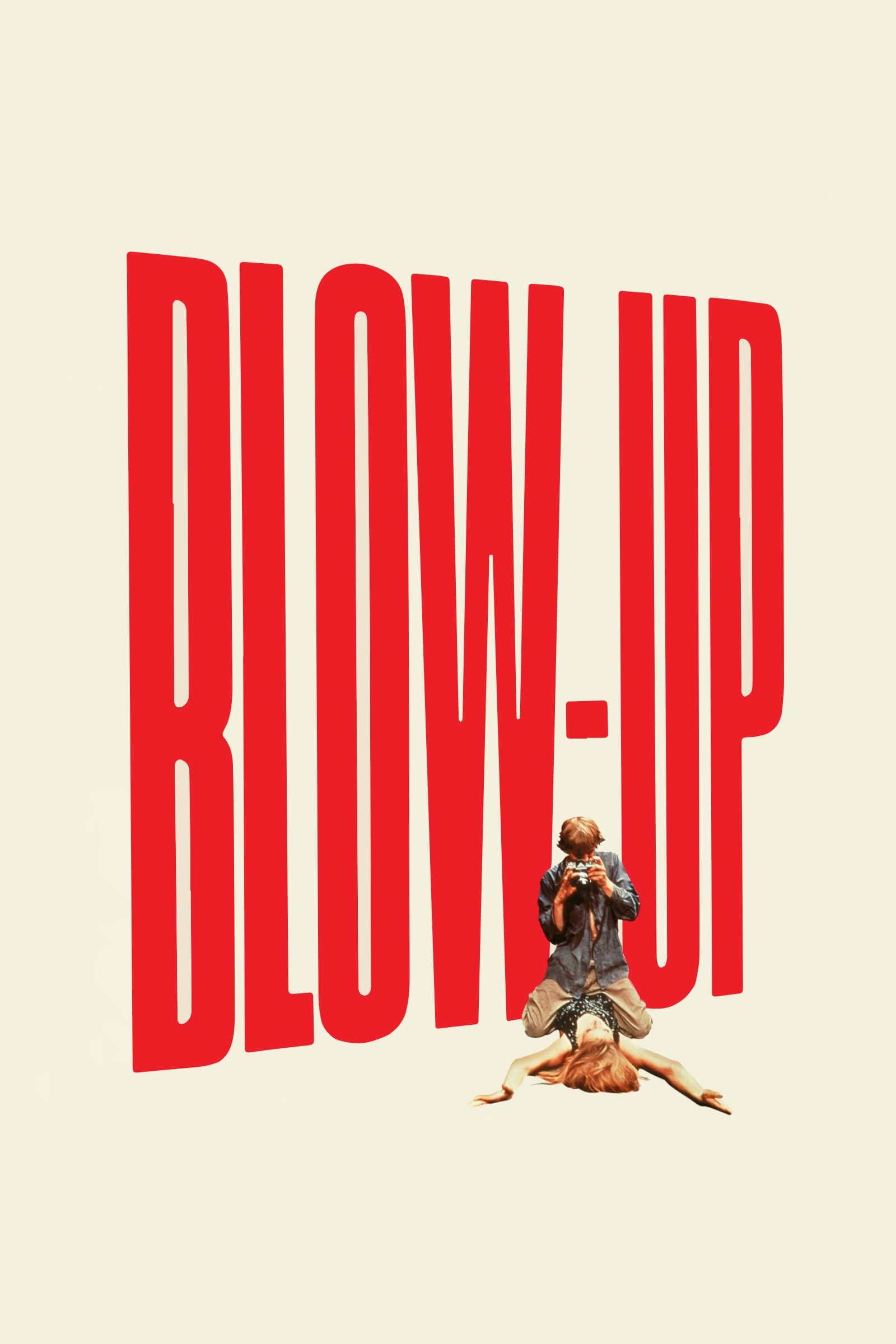
Overall Critical Reception
Few cinematic moments in my life have struck me as thoroughly as the initial encounter I had with “Blow-Up.” Immersing myself in the archival responses, I saw how this film immediately divided, yet electrified, the critical establishment in 1966. When I sift through contemporary reviews, I see how critics appeared almost disoriented by Michelangelo Antonioni’s stylistic choices, the film’s languid pace, and elusive climax. During its release, respected voices lauded its daring, seeing in the film an audacious break from conventional narrative cinema. Most notably, critics from leading outlets expressed admiration for its radical visual sensibilities and its philosophical undertones—even if the film’s ambiguity left some uneasy. I find it telling that several prominent reviewers in Britain and the United States described it as a “landmark,” elevating its director and ushering in a new level of cinematic experimentation for English-language audiences.
As I’ve revisited later retrospectives, I notice a significant shift: over time, skepticism gave way to acknowledgment of its historical influence. Where early critics might have wrestled with the movie’s opacity, subsequent generations—especially those writing in the context of film studies or revisionist criticism—often foregrounded “Blow-Up” as a touchstone for modernist film. Through decades of revisiting, reassessing, and placing the film within broader cinematic currents, I feel the consensus has solidified around its importance. Many modern critics now treat “Blow-Up” as emblematic of 1960s European art cinema breaking into the English-speaking mainstream, with its reputation further bolstered by its technical innovation and impact on the countercultural zeitgeist.
Yet, even today, its allure for critics doesn’t necessarily stem from universal adoration. I sense an ongoing respect for its enigmatic atmosphere and genre-defying construction, elements sometimes mentioned as divisive even among cinephiles. Though some writers allude to narrative vagueness as a flaw, what I’ve experienced is an acceptance—almost a reverence—for how Antonioni’s vision braved storytelling risk. For me, the most striking feature of the film’s reception is this prolonged dialogue between challenge and admiration, with neither side vanquishing the other. The language of most professional reviews, both past and present, pivots not on simple endorsement or condemnation, but on intellectual engagement with what the film dares to attempt. That’s a rare kind of consensus.
Major Film Rating Platforms
- IMDb – Explain what the general score range and voting patterns indicate.
- Rotten Tomatoes – Explain the difference between critic consensus and audience response.
- Metacritic – Explain how aggregated reviews reflect critical opinion.
- When I turn to IMDb, I’m always intrigued by the distinctive shape of voting patterns for films like “Blow-Up.” The aggregate rating consistently remains in the higher range—often resting above the mid-to-high sevens. To me, this suggests an enduring level of respect and even affection among the platform’s largely international user base. What sticks out to me, though, is the relatively long tail in the distribution: while many users assign the film a high score, there’s a noticeable fraction that grades it more harshly. This points to the film having a loyal core of admirers conversant with its historical cachet, balanced by viewers who come for the mystique but perhaps leave underwhelmed by its oblique narrative structure. The steady volume of votes from all eras tells me “Blow-Up” maintains a reputation as essential viewing for cinema enthusiasts curious about 1960s cultural shifts, even if not universally embraced as a favorite for rewatching.
- Looking at Rotten Tomatoes, I see a sharp illustration of how critics and audiences can diverge. The “Tomatometer” generally registers the film in the comfortably “fresh” zone, betraying a strong, if not uncritical, appreciation from global reviewers. When I browse individual reviews, I see frequent commentaries on Antonioni’s technique and the film’s technical polish, which offset some quibbles about its deliberate pacing. Conversely, the “audience score” lands noticeably lower. My reading of user-submitted comments points to a recurring pattern: some see the film as a classic not to be missed, others as frustratingly slow or ambiguous. This split encapsulates what I notice in everyday discussions—the consensus among critics is more favorable and analytical, foregrounding artistry and innovation, while audience responses reveal a broader range of personal taste and shifting expectations.
- When I open up the Metacritic page for “Blow-Up,” I’m struck by how the aggregated review method distills the broader critical landscape into a readable snapshot. Metacritic pulls from a smaller set of contemporary and retroactive reviews than the other platforms, but the composite score usually falls within the “universal acclaim” or solid “favorable” bracket. From my vantage, this convergence says a lot—it shows that among those tasked with scrutinizing cinema’s artistic ambitions, there’s a durable endorsement of the film’s craft and significance. The detailed excerpts often underline that even dissenters tend to grapple seriously with the film’s ambitions, rather than dismissing it outright. I interpret the Metacritic score as demonstrating a consistent, if not fervently enthusiastic, approval from the critic community as a whole.
Audience Response and Popular Opinion
Whenever I talk to those who aren’t professional critics but hold a curiosity about classic cinema, the discussion around “Blow-Up” feels charged with ambivalence. Mainstream audiences, in my experience, often arrive at the film with anticipations shaped by decades of reputation—expecting perhaps an exhilarating thriller or a sharply defined character study. Yet what I continuously hear is a sense of frustration with its elusive narrative and the lack of clear resolution. Many viewers express admiration for its evocative imagery and the evocative portrait of 1960s London, but just as many appear mystified by its refusal to tie off loose ends.
When I lead or attend screenings, I notice certain generational divides: those with a background in film studies or an interest in European arthouse cinema, irrespective of age, typically embrace the film’s unpredictability and visual experimentation. Alternatively, some casual moviegoers, especially those more attuned to contemporary blockbusters or linear storytelling, find the film harder to appreciate. I read the aggregate audience feedback as reflecting this tension between appreciation of innovation and exasperation with abstraction. In many cases, personal enjoyment does not always track with recognition of historical significance—people may accept the film’s importance without ranking it among their personal favorites. That’s a nuance I frequently encounter in informal discussions and online threads.
Points of Praise
- Striking Visual Style – For me, the film’s greatest asset is its cinematography and visual atmosphere. Antonioni’s collaboration with cinematographer Carlo Di Palma results in compositions that I find endlessly absorbing. Every frame feels thoughtfully arranged, bathed in distinctive light, and alive with meaning. Even viewers less enthralled by narrative immediacy usually pause to comment on this defining quality. The deliberate color palette and inventive camera work not only evoke the era, but also underscore the protagonist’s psychological journey in subtle ways. I constantly return to “Blow-Up” when discussing how mise-en-scène can create visual tension and aesthetic pleasure, regardless of plot propulsion.
- Evocative Depiction of 1960s London – I’m always impressed by how the film encapsulates the spirit of its time. The fashion, music, and social backdrop are rendered with an almost documentary authenticity—yet stylized enough that I can feel the pulse of London’s swinging decade through pure imagery. This sensory immediacy anchors the otherwise ambiguous narrative. I often see and hear from audiences who feel they’re stepping into an artfully heightened version of 1966, replete with all its contradictions, creative energies, and cultural crosscurrents. As a critic, I find it invaluable for understanding how cinema can reflect, and even shape, the identity of a city and an era.
- Bold Narrative Experimentation – I respect Antonioni’s willingness to break away from familiar genre conventions. The director’s resistance to spoon-feeding answers or constructing a tidy denouement invigorates my own appreciation of film as an intellectual pursuit. There’s an enduring critical admiration for how he deploys ambiguity as a storytelling device, encouraging viewers—including me—to question the relationship between perception and reality. The riskiness of these choices resonates for anyone interested in the expandable boundaries of storytelling. Even those who leave the film unconvinced usually acknowledge its daring structural choices as a mark of innovative filmmaking.
Points of Criticism
- Elusive Narrative – I can’t ignore how frequently I encounter dissatisfaction with the film’s reluctance to provide closure. Both casual viewers and some critics express discomfort with its open-ended structure. The story, while compelling in its buildup, withholds traditional narrative payoff, which can leave me (and many others) feeling untethered. This has long been the basis for dissent, sometimes framed as a lack of payoff or even as indulgence on Antonioni’s part.
- Deliberate Pacing – The languid, almost meditative rhythm divides opinion sharply in every audience I’ve polled. While I sometimes relish the film’s patience, it’s clear that the measured, sometimes drifting scenes test the endurance of those craving momentum or dramatic escalation. I find that even critical boosters will acknowledge stretches that feel inert, a perception amplified for viewers raised on faster-cutting cinema. Even for me, some sequences verge on the self-indulgent, pushing the boundaries of atmospheric storytelling to their extreme.
- Alienating Characterizations – The emotional detachment of the protagonist, as I see it, contributes to an overarching sense of alienation that colors the entire viewing experience. I’ve read and heard repeated critiques about the film’s seeming coldness, with characters who feel more like vessels for ideas than relatable individuals. As much as I admire the conceptual rigor behind this approach, I’ve personally witnessed how it limits some viewers’ emotional engagement and even prompts accusations of superficiality or lack of depth. It’s a trade-off that, for many—including me on occasion—diminishes the film’s visceral impact.
How Reception Has Changed Over Time
Tracking “Blow-Up’s” journey through the decades, I see a fascinating evolution in reputation. At the time of release, the film commanded both notoriety and curiosity; it was divisive for its provocations but simultaneously recognized for capturing the spirit of a transformative cultural moment. During my explorations of festival archives, retrospectives, and published reappraisals, I’ve watched its stature steadily climb. Where once critics hesitated to fully endorse the film’s ambiguity, successive waves of historians and film scholars have reframed its narrative audacity as an asset. Its embrace by cinephiles and entry into curricula for film studies cemented its position as a modern classic.
In my reading of critical discourse, the film’s innovations—including its meta-commentary on observation and reality—have grown only more relevant, referenced continually in discussions about the evolution of visual storytelling. By the time I encountered “Blow-Up” in graduate seminars and retrospective screenings, it was spoken of in almost reverent tones, as one of the foundational texts bridging the European art film tradition and the post-classical Hollywood era. That said, the divide between critical and general audience reception has never fully closed. In viewer forums and audience surveys I’ve examined, the same notes of frustration and admiration repeat decade after decade, suggesting that the film’s reputation is both secure and perpetually under negotiation.
I’ve come to see “Blow-Up” as a film whose critical appreciation is only likely to grow, particularly as each new generation of viewers revisits its shifty, mirror-like surfaces. It’s a work that eludes definitive verdicts—which, ironically, seems to ensure its immortality within both critical and academic canons. If anything, its refusal to yield neat answers seems increasingly to be its greatest asset in the eyes of those committed to the ongoing interrogation of cinema’s possibilities.
To go beyond scores and understand what shaped these reactions, background and interpretation can help.
🎬 Check out today's best-selling movies on Amazon!
View Deals on Amazon