
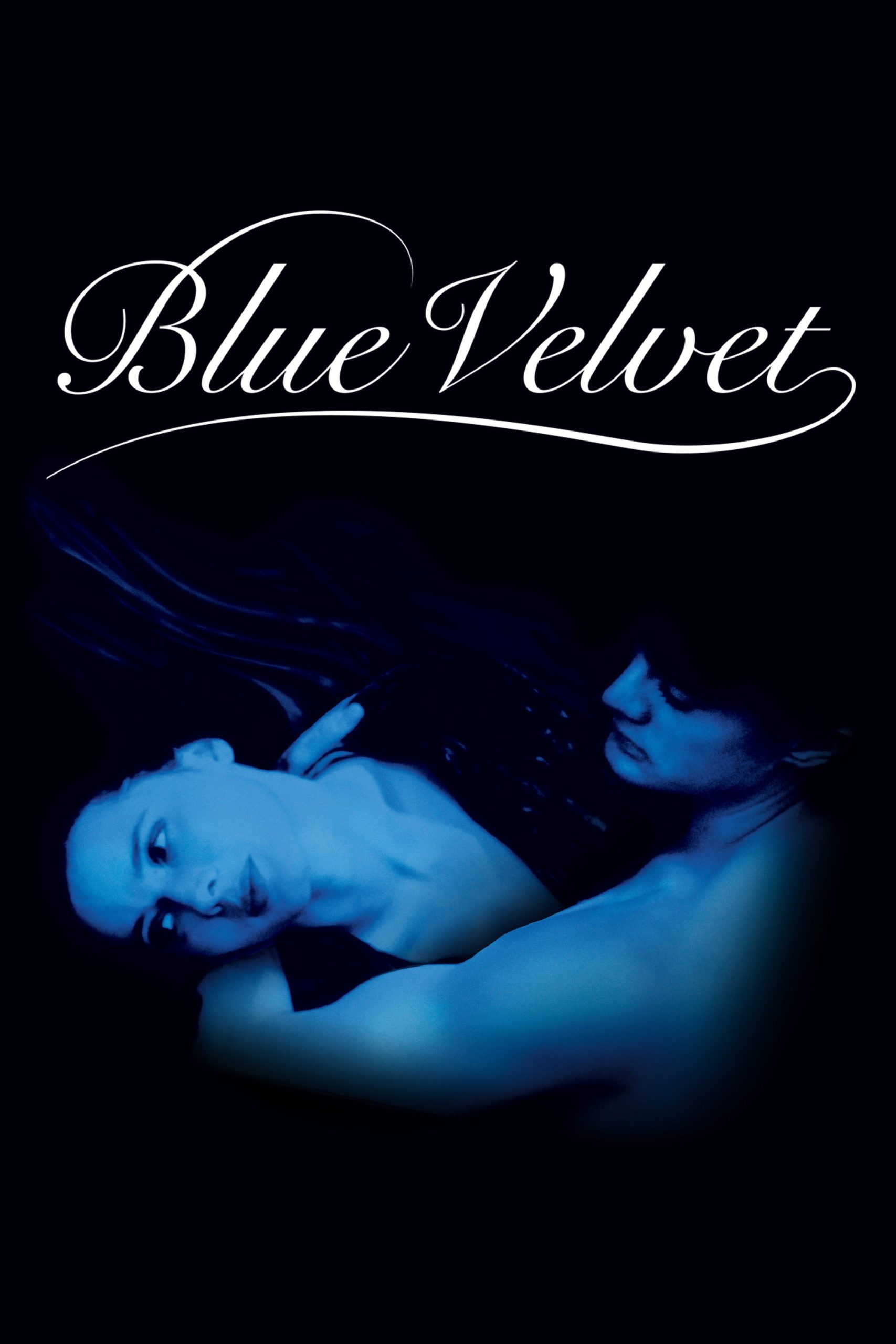
Overall Critical Reception
When I think about my earliest experiences with Blue Velvet, I’m transported back to a moment of absolute polarization among critics. I remember reading reviews where some veteran film reviewers were stunned, even offended, by David Lynch’s willingness to upend conventional storytelling and taste. At its debut in 1986, professional critics didn’t just debate the quality of the film; they sparred over whether the film even deserved to be seen. I recall established voices calling it repugnant and exploitative, while others admired its audacity and considered Lynch a daring visionary. The atmosphere surrounding its initial release was not neutral—critically, the film felt like a line in the sand. On one side were critics who experienced the film’s graphic content and surreal tone as essential cinematic art; on the other, those who judged these same qualities as purposely shocking or even indefensible.
As the years have gone by, I’ve watched Blue Velvet experience a sea change in how it’s regarded within critical circles. What was once a polarizing, sometimes reviled object is now more often discussed with an air of respect, even reverence, for its craftsmanship and influence. Retrospectives and film school curriculums treat the film as a major work—one that shifted conversations about American cinema’s boundaries. Publications that once derided it now tend to recognize its profound technical finesse, daring performances, and the singular atmosphere Lynch created. For me, the biggest shift hasn’t been in whether the film is considered “good” or “bad,” but rather in a growing critical consensus that its contentiousness is central to its status as a modern classic. Blue Velvet became a benchmark for bold, risk-taking cinema, cited often in debates about the limits of art-house film and the value of provocation. As I look through the lens of decades, it’s impossible to dismiss its place in film history; the critical dialogue has matured, and I frequently spot fewer outright condemnations and more nuanced, appreciative readings.
Major Film Rating Platforms
- IMDb – My experience consulting IMDb for this film always reveals an interesting dichotomy. The general score has long hovered in a range suggesting steady admiration—the kind typically reserved for movies that linger in the collective imagination. However, even at a glance, the voting patterns make it clear to me that Blue Velvet invites extreme reactions. There is little apathy: I see clusters of very high ratings mixed with a subset of notably lower scores. This distribution hints at how viewers either connect powerfully with Lynch’s style or find themselves alienated. I rarely see uniformity in the reviews; passionate praise sits side-by-side with outright dismissals. To me, this range is evidence of a work that stirs people—no one seems bored, and that’s reflected in the numbers and the commentary sections.
- Rotten Tomatoes – When I look at Rotten Tomatoes, the critical consensus stands out as unusually strong, especially for a movie that was once so controversial. The aggregate reviews from critics now reflect broad approval, accompanied by highly favorable summaries from film journalists. The site’s “Tomatometer” reflects professional acceptance, but scrolling through audience responses I often spot a gap. The audience score, while still positive, is rarely as high as the critics’ figure. For me, this suggests that, even years later, the film remains something of an acquired taste, its challenging content and off-kilter vibe keeping some viewers at arm’s length. The dissonance between audience and critics is less of a chasm now than it once was, but there’s still an echo of ambivalence among general viewers, especially in the user-submitted comments.
- Metacritic – When I move to Metacritic, what strikes me most is the platform’s focus on collating detailed, long-form magazine and newspaper reviews. On Metacritic, Blue Velvet typically lands in a bracket that signals widespread critical endorsement, though the composite nature of the score reflects lingering reservations from a minority of critics. For me, this is where I often find averaged scores that hover below those of universally lauded classics, and that tells its own story: not all critics were swayed, but the majority found the film’s vision and idiosyncratic energy impossible to ignore. It’s not a rating profile I’d associate with broad, universal appeal—it marks the film as a respected but divisive work. Even now, I get the impression from these summaries that Blue Velvet is respected more for what it dares to do than for ensuring comfortable consensus.
Audience Response and Popular Opinion
When I talk with film enthusiasts or flip through mainstream user reviews from the past decades, I’m always struck by how audiences consistently split into camps over Blue Velvet. Over time, I’ve noticed that the intensity of reaction persists: some viewers, much like the most daring critics, are entranced by Lynch’s strange suburban universe, relishing the shocking, visceral style of storytelling. These fans hail the film for its originality and unforgettable imagery. Others, however, tend to recoil from the film’s explicit violence and provocative characterizations, maintaining that it goes too far in its attempts to unsettle. I’ve also read repeated references to audiences being unprepared for the film’s surreal detours, leading to disappointment or even anger. The overall public assessment, in my personal observations, remains mixed but passionate—no matter which side someone falls on, rarely is Blue Velvet described with indifference. I’ve repeatedly found that when the film comes up in conversation, those who love it defend its worth to the hilt, while those who dislike it do so vehemently. Unlike certain art films that become darlings in retrospect, this one never seems to lose its ability to ignite debate among everyday viewers.
Points of Praise
- Strength 1 – Visual Distinctiveness and Direction: In all my years examining the craft behind films, I have seldom encountered a visual style as instantly recognizable as the one David Lynch brings to Blue Velvet. The use of color, lighting, and precise camera movements comes up again and again in both professional and amateur reviews I’ve read. The stark contrast between idyllic suburban exteriors and the dark interiors makes for a uniquely arresting experience, and it’s clear to me why so many laud the film’s aesthetics. Every frame feels carefully composed, making memorable images that persist in viewers’ minds long after the credits roll. Many reviewers point specifically to the dreamy, at times nightmarish atmosphere Lynch creates—an element that makes the film influential for decades afterward.
- Strength 2 – Standout Performances: From my perspective, the acting—particularly Dennis Hopper’s performance—is an anchor point for critical praise. Hopper’s portrayal of Frank Booth seems to have become legendary, often cited as one of the boldest and most disturbing villainous roles of its era. I find it fascinating that both critics and viewers repeatedly single out the authenticity and energy the entire principal cast brings, including Isabella Rossellini and Kyle MacLachlan. These performances inject life and humanity into an otherwise surreal and unsettling narrative, and they’re widely credited for helping the film achieve its tense, unpredictable energy.
- Strength 3 – Ambitious Sound Design and Musical Choices: The film’s use of sound and music never fails to surface in appraisals I’ve reviewed. Through my own repeated viewings and in listening to others, I’ve noticed how Angelo Badalamenti’s haunting score and Lynch’s soundscape augment every scene, deepening the film’s emotional force. The juxtaposition of a nostalgic soundtrack with unpredictable noise elements is repeatedly described as both effective and innovative. I’m particularly fond of how the music manipulates mood, steering the viewer between comfort and dread, and I see that this technical prowess is a cornerstone of the film’s acclaim.
Points of Criticism
- Criticism 1 – Graphic Content and Violence: I can’t ignore the fact that, again and again, both initial and contemporary criticism focuses on the film’s explicitness. I’ve met many viewers who feel its violence and sexual subject matter go beyond the bounds of acceptable taste, and early critics didn’t mince words about feeling disturbed or alienated. Even now, I regularly see reviews noting that the extreme content overshadows the narrative or artistry for some people, turning what is for many an engrossing film into something uncomfortable or offensive. From my vantage point, the controversy was and remains one of the central discussion points.
- Criticism 2 – Pacing and Narrative Coherence: Another issue raised by critics and audiences alike is the film’s pacing. As someone who has watched it multiple times, I admit that its narrative can feel uneven. Surreal sequences and abrupt tonal changes sometimes frustrate viewers who expect a more linear, coherent storyline. Many user reviews I’ve read express confusion or frustration at plot developments that feel deliberately obtuse or unresolved, and I understand why the film’s dream logic would challenge those not attuned to Lynch’s style. Some critics even call this meandering quality a flaw, suggesting that it interferes with emotional engagement or momentum.
- Criticism 3 – Emotional Distance and Character Relatability: I notice that another common sticking point concerns how emotionally accessible the film is. Critics and audiences occasionally mention a sense of detachment—feeling as though they are kept at arm’s length from the characters’ inner lives. The strange, sometimes stiff dialogue and odd mannerisms of the film’s suburban cast can make character motivations difficult to relate to, provoking comments that the film is icy, artificial, or too self-consciously stylized for real emotional connection. Personally, I find much of this remoteness an intentional strategy, but it’s clear to me that not everyone enjoys being kept at such a measured distance from the unfolding drama.
How Reception Has Changed Over Time
Having tracked the evolution of Blue Velvet’s reputation for years, I’m always struck by how dramatically sentiment shifted since its release. In the first wave, most mainstream critics responded harshly—sometimes going so far as to condemn Lynch for perceived excess or cruelty. The divide was fierce and, from what I can tell, heavily generational. Over the next decade, as more critics revisited the film and younger voices entered the fray, attitudes softened. By the late 1990s and early 2000s, I saw the language around the movie shift: descriptors moved from “controversial” and “offensive” to “groundbreaking” and “influential.” In interviews and film retrospectives, many who had once dismissed Lynch’s work began acknowledging its artistry and lasting impact on American cinema.
To me, the lasting controversy has become an asset rather than a liability. Blue Velvet’s influence on subsequent filmmakers is constantly cited, and even its detractors admit its importance in challenging norms and expanding the look and feel of independent film in the mainstream. The shift isn’t just in positivity but in appreciation of nuance—I often see discussion focusing on the film’s technical innovation and willingness to risk alienation for the sake of vision. It’s rare now to find critics labeling it simply “bad”; more commonly, I find terms like “disturbing masterpiece” or “essential viewing.” Among audiences, the film’s cult status endures, particularly with those eager to explore the darkest corners of cinematic imagination. As a result, I’d say the reception has both improved and deepened: while it may never become universally beloved, I see a growing respect for its daring and a recognition that, flawed or not, it changed the landscape of American film.
To better understand why opinions formed this way, exploring background and origins may help.
🎬 Check out today's best-selling movies on Amazon!
View Deals on Amazon