
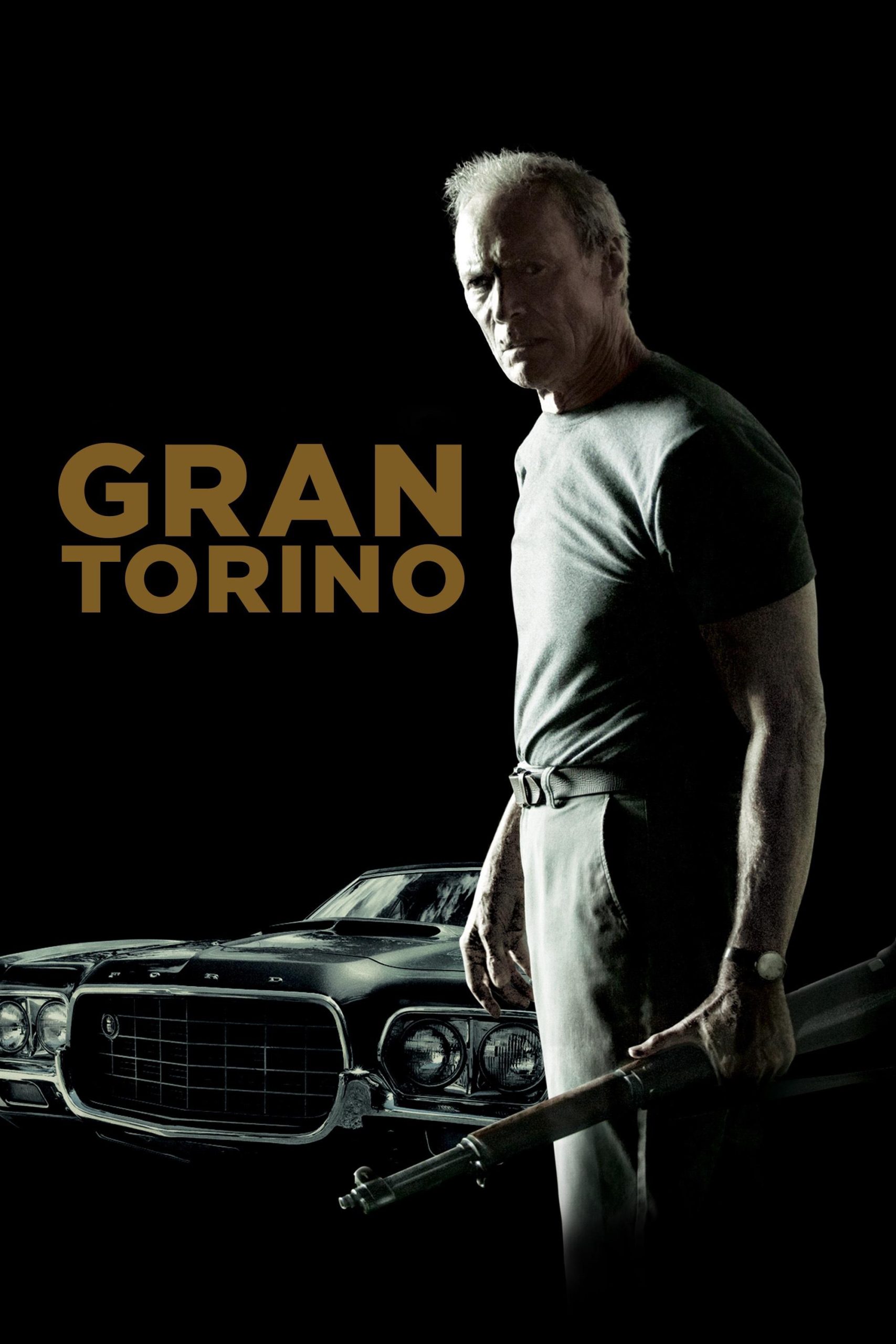
Overall Critical Reception
Every time I revisit my initial reactions to Gran Torino, I’m struck by the immediate polarization that swept through the critical community upon its release. When I saw the film in theaters, I could almost sense that critics were unsure how to categorize Clint Eastwood’s blend of grim sincerity and sly provocation. It seemed that a significant portion of professional reviewers admired Eastwood’s uncompromising directorial approach, his eerie magnetism in the leading role, and the film’s willingness to wade into contentious territory. Yet, another vocal contingent — myself included — wrestled with the bluntness of the film’s social commentary, questioning whether its surface-level complexity was truly as deep as it appeared. I remember reading an abundance of reviews from major outlets, with each one oscillating between commending Eastwood for tackling contemporary issues of race, masculinity, and generational strife, and critiquing him for executing these explorations with a hand that, at times, felt more heavy than deft.
As the years passed, I noticed a fascinating evolution in how the film was discussed. While the movie was initially received with a combination of applause and skepticism, the critical dialogue didn’t simply fade away. Instead, I saw Gran Torino woven into larger debates about Eastwood’s filmography, aging antiheroes in American cinema, and cultural depictions of race. Many critics, reflecting later, recognized the movie’s commercial appeal and its straightforward narrative as strengths, while others periodically revisited its more problematic elements, especially as social and political climates shifted. Even now, I sense that the film’s reputation hovers between nostalgia and contentiousness, unable to shake off the deeply personal reactions it continues to evoke.
Review aggregators and longform critical essays I encountered seem to agree on this one point: Gran Torino is a film that draws out as many conflicted feelings as it does unqualified praise or censure. I often find critics returning to its imagery, performances, and moments of raw honesty, treating it as a touchstone for the latter stages of Eastwood’s career. Yet, the broader critical conversation never fully coalesced around a single viewpoint — and, for me, that fractured response is part of what also makes the movie endure in the public consciousness.
Major Film Rating Platforms
- IMDb – When I check IMDb’s user data, the film’s consistently high numerical rating strikes me as an outlier compared to similarly divisive works. The average star ratings and the enormous volume of votes suggest a keen audience engagement that goes beyond niche cinephilia. For me, the voting pattern is telling: a strong aggregation toward higher scores, punctuated by a minority of sharply lower ratings, signals both a robust fanbase as well as a vocal group of detractors. This polarization is typical of movies that inspire a gut-level reaction. The trend of positive ratings persisting over the years shows that many viewers continue to connect with the film, despite any cultural or critical re-evaluations.
- Rotten Tomatoes – I find the Rotten Tomatoes split especially revealing. On the critic side, the Tomatometer hovers in a zone I’d describe as broadly favorable but not universally admiring — somewhere between solid recommendation and measured reservation. Critics seem to appreciate technical execution, while also qualifying their praise with reservations about the script and message. Meanwhile, the audience score often outpaces the critics, sometimes by a wide margin. This discrepancy, in my view, highlights the film’s popular resonance and Eastwood’s ability to galvanize mainstream viewers. The divide also encourages me to think about the varying thresholds for satisfaction between critics, who may look for nuance and context, and regular viewers, who often respond to emotional clarity and catharsis.
- Metacritic – When I consult Metacritic, the weighted average leads to a more tempered, balanced depiction of critical opinion. Here, the aggregate synthesizes both lavish praise and sharply negative takes into a middling-to-strong overall score. I always notice that the platform surfaces not just numbers but the tenor of individual reviews, revealing a split between those who see Gran Torino as an accomplished, resonant drama and others who balk at its handling of complex issues. Unlike user-based platforms, Metacritic’s metric provides a clarifying look at consensus without flattening the jagged edges of dissent I observe in the critical sphere.
Audience Response and Popular Opinion
Throughout my conversations with fellow moviegoers, and after following online discussions since the film’s debut, I came to realize that audience reaction to Gran Torino diverged in noticeable ways from critical assessments. Where professional reviewers often approached the film with measured skepticism or pointed scrutiny, the general movie-watching public, from what I’ve witnessed, greeted Gran Torino with open enthusiasm and emotional identification. I noticed countless comments, testimonials, and impassioned discussions forming around Eastwood’s portrayal of a gruff, flawed protagonist, and it became clear to me that audiences weren’t merely passively enjoying the film; they were engaging with it on a personal and sometimes deeply cathartic level. Many saw the film as a vessel for intergenerational connection and redemption. Even people who criticized certain story elements told me they appreciated the frankness and the unapologetic style that Eastwood brought to the table.
Social media, user reviews, and water-cooler chatter reinforced my sense that Gran Torino received a groundswell of support from viewers who weren’t necessarily plugged into the critical establishment. The film’s emotionally direct approach, its moments of dark humor, and its willingness to address uncomfortable topics resonated with a demographic I’d describe as spanning generations and backgrounds. I recall discussions with viewers for whom the film evoked nostalgia for Eastwood’s earlier roles, as well as with those who viewed it as a compelling, if challenging, perspective on changing American society. Some admitted being put off by the script’s directness, but just as many insisted that its bluntness was a virtue. Popular opinion, as I see it, rarely aligned exactly with critical consensus, and I found the grassroots discussion surrounding Gran Torino to be among the film’s most fascinating phenomena.
Points of Praise
- Performance by Clint Eastwood – I can’t overstate the impact Eastwood’s performance had on me and many others. His embodiment of Walt Kowalski, the weathered and embattled protagonist, anchored the film with a presence that drew in even skeptical viewers. Watching Eastwood, I felt the weight of decades of cinematic history and personal struggle condensed into every gesture and snarl. Professional critics and casual fans alike singled out his work as both transformative and oddly comforting. He delivered a performance that felt, to me, almost autobiographical in its melding of character and artist.
- Direction and Pacing – My admiration for Eastwood’s usual directorial efficiency found abundant support in Gran Torino’s pacing and narrative clarity. I noticed few wasted moments, and a sense of momentum that kept the film lively despite its somber undertones. Eastwood’s ability to balance moments of tension with brief, jarring bursts of humor or violence impressed me as a high-wire act from a director deeply in command of his craft. Reviewers seemed unified in their appreciation of how the story unfolded without unnecessary digressions, and for me, this discipline heightened the emotional impact.
- Emotional Resonance – Even years after my first viewing, I found that Gran Torino retained its power to elicit strong feelings from audiences. Viewers I spoke with often mentioned how the film made them reflect on forgiveness, prejudices, and family bonds. Critical praise centered on the story’s ability to connect with audiences on a visceral level, and I felt that this sincerity trumped some of the faults others pointed out. For many, the film’s raw approach to redemption and sacrifice resonated on a personal, meaningful level.
Points of Criticism
- Dialogue and Stereotyping – From my perspective, one of the most persistent criticisms leveled at Gran Torino revolves around its handling of dialog and the portrayal of certain characters. I found myself wincing at times at the bluntness of the language, particularly regarding racial epithets and cultural caricatures. Critics I respect have argued that these elements, while possibly realistic in their context, risked veering into the territory of stereotype and insensitivity rather than honest representation. This aspect made for many uncomfortable viewing moments, and I found it clouded the film’s otherwise sincere intentions.
- Supporting Cast and Performances – What stood out to me, and to many reviewers, was the unevenness in acting outside of Eastwood’s central role. While some praised the authenticity of casting from Hmong communities, I noticed that the supporting performances ranged from compelling to stilted, depending on the scene. This inconsistency sometimes broke my immersion and impacted the credibility of key emotional beats. Critical consensus on this point leans toward acknowledging Eastwood’s gravitas, while noting that the secondary cast sometimes struggled to match his screen presence.
- Simplicity in Narrative Solutions – When reflecting on the film’s structure, I couldn’t ignore how often criticisms centered on its “neatness,” particularly in resolving complex themes with clear-cut narrative decisions. Reviewers, myself included, noted that difficult truths about race, atonement, and personal transformation were sometimes compressed into trite or idealized sequences. For a film dealing with the messiness of real-world conflict, I found some of its conclusions felt more aspirational than earnestly won, diminishing the complexity suggested by its initial premise.
How Reception Has Changed Over Time
Looking back, I recognize that Gran Torino’s reputation has undergone a subtle, though notable, evolution since its release. My observations indicate that while early responses ran the gamut from enthusiastic endorsement to skeptical critique, the long-term legacy of the film has remained remarkably resilient, especially among moviegoers who came to see it as a classic late-career vehicle for Eastwood. Critical reappraisal, which I have followed in film journals and retrospective articles, tends to revisit familiar debates about the film’s tone, messaging, and cultural impact. Yet, interest in the film rarely abated; if anything, Gran Torino’s presence in cultural conversation grew as it became a reference point for discussions about tough-guy cinema, generational divides, and the shifting sands of American identity.
I have seen a growing awareness of the film’s more problematic aspects, especially as conversations about representation and racial sensitivity have become more prominent in the public sphere. This increased scrutiny has led some critics and viewers to reassess the film’s handling of certain storylines, with a level of nuance that wasn’t as widespread in 2008. However, I also encounter steadfast defenders who argue that the film’s brutal honesty and lack of moral tidiness have only become more valuable with time. For me, the persistence of both praise and controversy demonstrates that Gran Torino holds a multifaceted position in cinematic history, refusing to settle into any single consensus. Its initial success and continued popularity with audiences suggest that, even as critical appraisals evolve, the movie maintains a compelling hold on the moviegoing public’s imagination.
To better understand why opinions formed this way, exploring background and origins may help.
🎬 Check out today's best-selling movies on Amazon!
View Deals on Amazon