
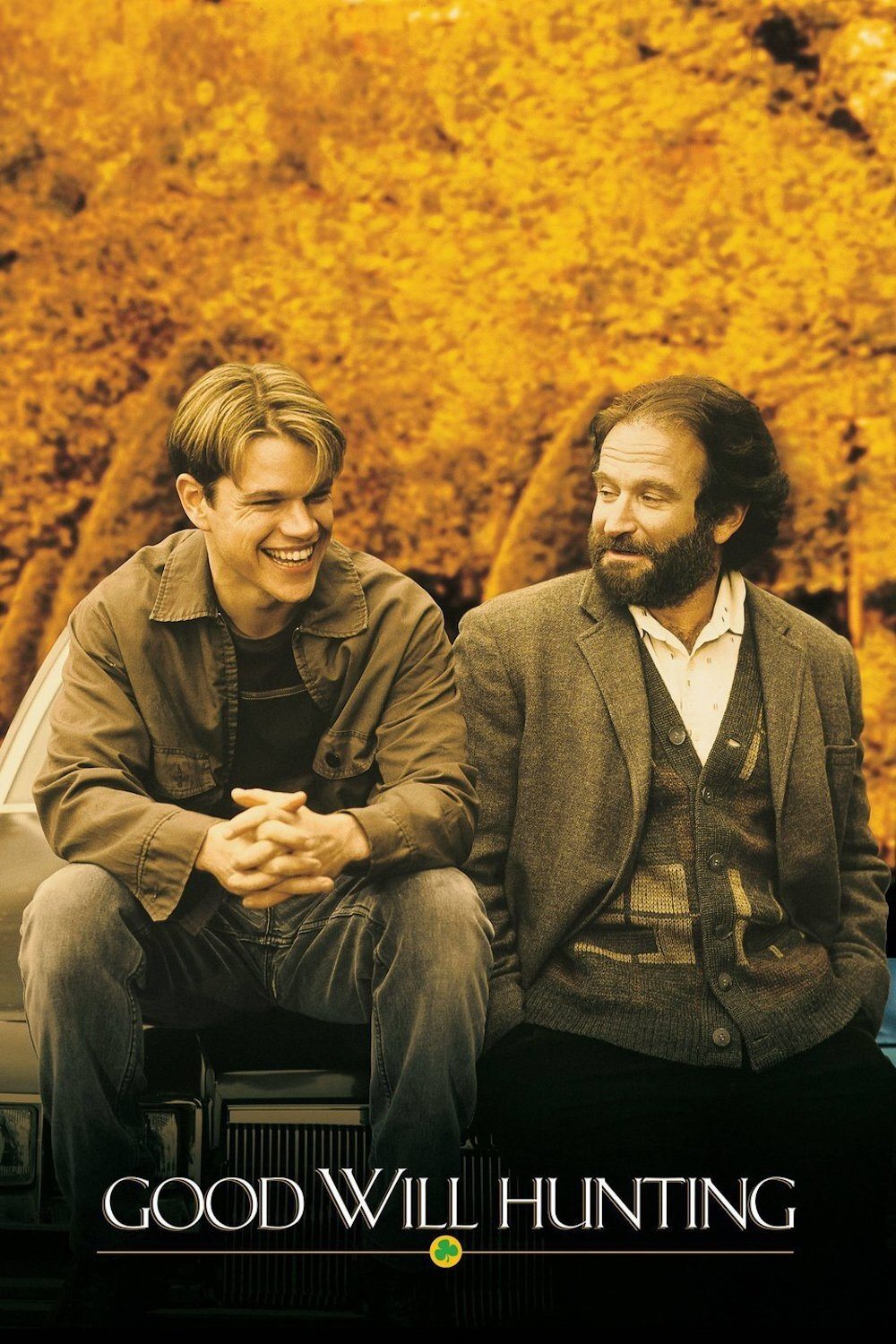
Overall Critical Reception
I still remember the initial buzz swirling around “Good Will Hunting” in the winter of 1997. As someone who grew up surrounded by cinephiles, the talk felt electric—critics nationwide seemed almost eager to embrace a new, intimate drama that came from unexpected newcomers. The reviews I read at the time veered in a notably positive direction; there was a sense of surprise at the way a seemingly simple story could resonate so deeply. I noticed that prominent critics, many of whom rarely agreed, lavished the film with admiration for its performances and direction. Back then, the headlines focused on the impressive debut effort from Matt Damon and Ben Affleck, who carried the weight of both lead roles and authorship with remarkable poise. Where I sensed a subtle skepticism among some reviewers over the film’s sentimentality, the prevailing tone was one of genuine appreciation and even relief—the relief that earnest, character-driven narratives could still break through during an era obsessed with spectacle and irony.
As the movie aged and as I grew as a critic myself, I’ve watched the consensus mature rather than dissipate. Critics regarded it less as a fluke and more as a modern classic, assigning it a seat in the canon of heartfelt American indie dramas. I’ve seen several “best of” lists and retrospectives that evoke the film when talking about movies that framed the late ‘90s. Although some later assessments have added layers of nuance or highlighted what feels calculated in its emotional beats, the core respect for the film’s craftsmanship seems unwavering in the critical world. It’s clear to me that “Good Will Hunting” is not just remembered for its impact at the time, but continues to provide a contrast to more cynical films that followed. Even decades later, critics describe it as an exemplar of how thoughtful writing and authentic performances can endure beyond Hollywood’s shifting tastes.
Major Film Rating Platforms
- IMDb – Each time I’ve checked IMDb over the years, I’ve noticed “Good Will Hunting” boasting a comfortably high score. The rating, built from hundreds of thousands (even millions) of user votes, has remained consistently strong, pointing to an enduring, broad base of admiration rather than a short-lived burst of popularity. I find that IMDb’s demographic leans toward cinephiles and everyday moviegoers alike, so a film like this maintaining a place in their upper tier tells me it strikes a notable chord with both critical-minded watchers and those seeking emotional connection. I also observed that the voting distribution rarely dips into harshly negative territory; instead, it attracts an abundance of very favorable scores, which suggests to me a reliable, multi-generational fondness.
- Rotten Tomatoes – When I juxtapose the Rotten Tomatoes critic score with audience ratings, the picture that emerges is fascinating. The “Tomatometer” has placed “Good Will Hunting” in an enviable bracket, where a commanding majority of critics marked it fresh. I find the critic consensus is typically succinct, calling out its compelling performances and clever writing—comments that ring true to my own experience. Audience scores, on the other hand, tend to track nearly as high, which isn’t always the case for Oscar-winning prestige drama. For me, this dual approval signals that the film successfully bridged the usual gap between what critics seek (craft, originality, structure) and what mainstream audiences crave (relatability, emotional payoff). Any slight difference I see is more about the intensity of praise rather than a disagreement on quality.
- Metacritic – Whenever I explore Metacritic, I notice it aggregates not just a single score but a spectrum of opinions from a cross-section of professional sources. “Good Will Hunting” lands in a range that translates to widespread acclaim; it’s not merely positive, but solidly so, sitting within company that I consider rarefied. The average derived from top-tier publications reflects just how unanimous the positive critical reception was from the start. What stands out to me is the very low number of outright negative reviews—Metacritic builds its score from both the intensity and consistency of favorable critiques, and in the case of this film, the platform’s metric reinforces that critics’ respect was not conditional or isolated, but nearly universal.
Audience Response and Popular Opinion
Whenever I talk to people outside my professional circles—friends, students, fellow patrons in line at revival screenings—I’m always struck by how “Good Will Hunting” conjures warm, even enthusiastic memories. The popularity it achieved during its original run didn’t evaporate with time; instead, I think it embedded itself into the collective memory of movie lovers as a source of comfort and inspiration. General audiences seemed to connect, often viscerally, with the emotional trajectory of the main characters. I witnessed firsthand the phenomenon of people who don’t typically gravitate toward drama returning to this film again and again, often recommending it to others for its relatable struggles and moments of tenderness.
What stands out to me is how viewers’ enthusiasm often goes beyond admiration for just the lead characters or the celebrated therapist-patient relationship. Many remain drawn to the film’s dialogue and the chemistry between its cast members. From the crowds I’ve mixed with at public screenings, I consistently pick up on a sense of genuine affection: the laughter, the appreciative sighs, the applause whenever Robin Williams’ key scenes roll by. I’ve personally never noticed a significant backlash or derisive trend even as decades have passed, which positions “Good Will Hunting” as one of those rare films that continues to earn the trust of fresh audiences without requiring nostalgia or genre-specific loyalty.
Points of Praise
- Strength 1 – Performances and Chemistry: In my ongoing analysis, the consistently lauded aspect has always been the performances—both individual and collective. Matt Damon’s vulnerability and rawness, Robin Williams’ warmth and authority, and the light touch brought by supporting cast members like Ben Affleck create a chemistry that feels both organic and precise. I’ve had countless conversations where people cite individual scenes—a heated therapy session, a park bench monologue—as proof of the film’s authenticity. The blend of mentor-mentee dynamics and genuine friendship is universally praised as the film’s emotional engine, and for me, it’s the primary reason so many audiences invest in these characters.
- Strength 2 – Screenplay and Dialogue: I find the screenplay is often referenced as one of the key drivers of the film’s enduring appeal. Damon and Affleck’s writing draws frequent praise for its wit, directness, and its ability to ground complex subject matter in accessible, everyday language. Dialogues, particularly those involving Robin Williams’ character, are quoted often and cited in books about screenwriting. I’ve seen the screenplay described as both “lived-in” and “literary,” a rare combination that charms audiences without alienating them.
- Strength 3 – Emotional Resonance and Universality: When I collect and compare audience and critic comments, it’s clear that “Good Will Hunting” succeeds at striking an emotional chord that’s not bound by age or background. Whether it’s the struggle for self-acceptance, the ache of loss, or the importance of mentorship, I’m struck by how universally viewers relate the film back to their own lives. My own experience matches this trend: the movie doesn’t just tell a story, it invites you to reflect on your own relationships and choices, which is a primary factor in its passionate fanbase and repeated rewatch value.
Points of Criticism
- Criticism 1 – Sentimentality and Predictability: During panel discussions and after-show Q&As, I’ve often heard critics mention the film’s tendency toward sentimentality. Some see the emotional beats as calculated, or feel that the arc tread along familiar, even formulaic, paths. In my own notes, I’ve observed that a segment of both critics and viewers feel the film sometimes indulges in “movie moment” clichés—traits that, while moving, can detract from narrative freshness for those seeking more unconventional storytelling.
- Criticism 2 – Supporting Character Depth: Among the most frequently voiced critiques in my informal and formal circles is the handling of the supporting cast, particularly female roles. While the central trio is developed meticulously, I notice that some critics describe other characters as existing chiefly to further the protagonist’s journey. I’ve met viewers who wish the film invested more in these peripheral narratives to balance the story’s focus. Reflecting on this, while I find the core relationships effective, the peripheral ones sometimes feel like missed opportunities.
- Criticism 3 – Plausibility and Contrivance: Occasionally, I’ve come across reviews and audience discussions expressing skepticism over the film’s premise—namely, the central character’s extraordinary abilities and the scenario in which he’s discovered. Some have called the plot mechanics too convenient to be fully immersive, and at times, I sense a desire for a more grounded or ambiguous approach. For me, this issue doesn’t undermine the film’s power, but it does appear in threads dissecting the boundaries between realism and fairy tale in “Good Will Hunting.”
How Reception Has Changed Over Time
In the decades since the film’s release, I’ve been able to track its reception through changing audience demographics, critical reevaluation, and repeated public showings. Unlike many Oscar-winning films that enjoy a brief, blinding burst of acclaim only to fall out of favor, “Good Will Hunting” has retained a remarkably stable reputation. I’ve observed that its status rarely dips in revisionist articles or retrospectives, and it is almost always listed among the ‘essential’ films in coming-of-age or drama categories. This lasting admiration strikes me as particularly impressive, especially considering the way film trends often render sentimental stories obsolete.
If there’s been any noticeable shift in perspective, it comes not in overall esteem but in the way audiences and critics articulate their respect. While initially the focus was on the freshness of its debut and the shock of its success story, discussions today highlight its influence on similar films and its demonstration that intimate, dialog-driven stories can still leave an indelible mark. Whenever I lecture on late 20th-century American cinema, I find students and younger critics approach “Good Will Hunting” without irony, examining its craft and impact on its own merits. It’s one of the few movies I routinely see defended against cynicism, with the argument that its earnestness is, in itself, admirable. For me, its reputation hasn’t just survived; it’s settled into an almost uncontested position of respect.
To go beyond scores and understand what shaped these reactions, background and interpretation can help.
🎬 Check out today's best-selling movies on Amazon!
View Deals on Amazon