
Overall Critical Reception
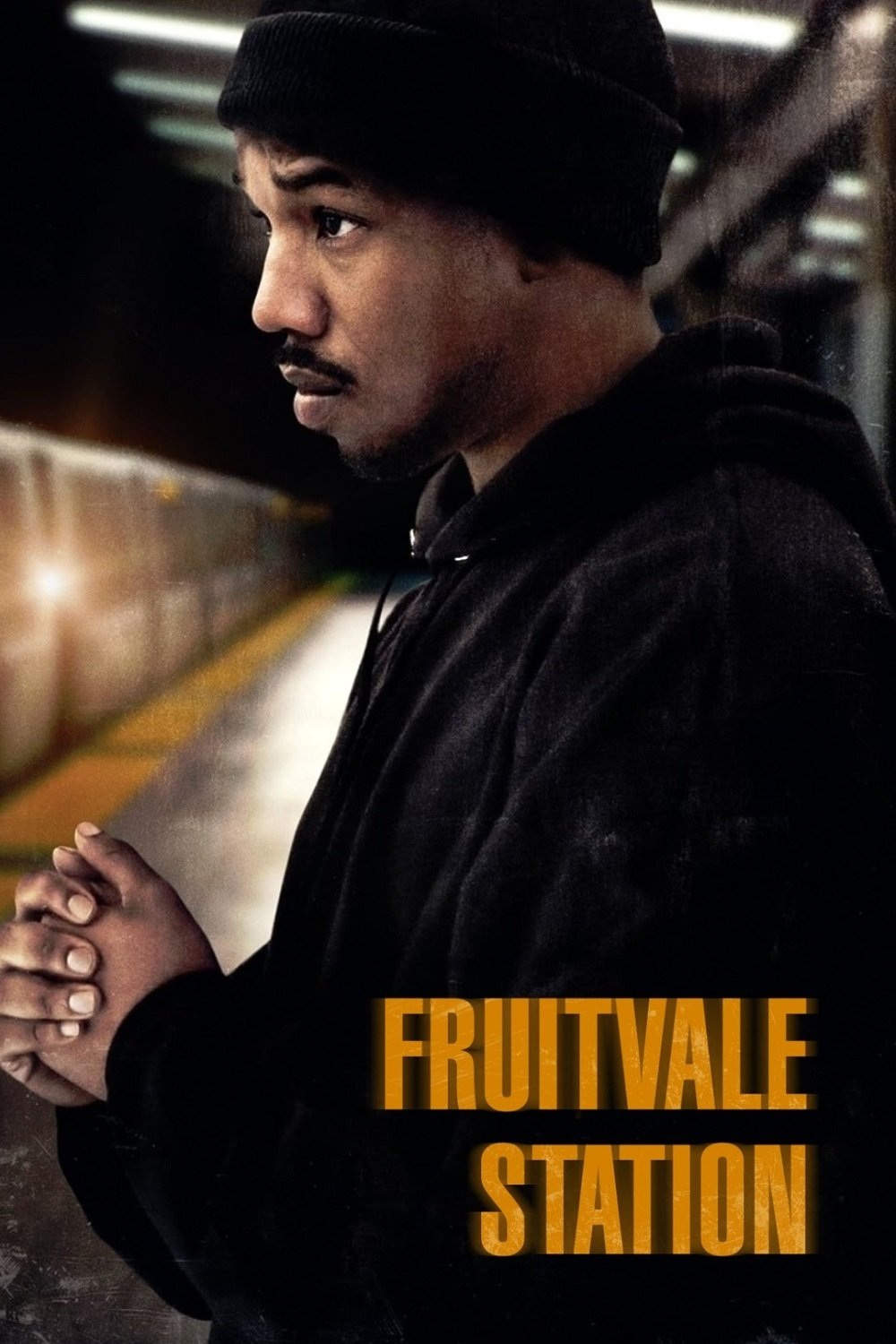
Every once in a while, a film hits me harder than I expect—this is exactly how I felt when I first encountered “Fruitvale Station.” When the film made its way through festivals and into wider release, I was immediately struck by how intensely critics gravitated to it. I remember, in that first wave of reviews, seeing a groundswell of anxious, almost urgent praise. Critics were nearly unanimous in acknowledging director Ryan Coogler’s debut as more than just an impressive first effort; they saw it as a rare feat—raw, direct, and powerful in its technical confidence and emotional clarity. In those early days, review columns and outlets reflected awe at how assuredly Coogler guided audiences through a hard reality, while still keeping his storytelling under control, never tipping into sensationalism.
As time has passed, I’ve noticed that critics continue to cite “Fruitvale Station” as an exemplary debut when they revisit it in retrospectives or when they explore Coogler’s later work. The film’s initial reception set a kind of benchmark; over the ensuing years, I watched its standing become a point of comparison for films tackling urgent social realities. Critics, in revisiting the work, seem to focus not only on Coogler’s relentless focus but also on the striking performances—especially Michael B. Jordan, whose portrayal drew near universal recognition. It’s interesting to note that the initial critical excitement hasn’t dimmed into mere admiration with hindsight; instead, there’s a sense of continuing relevance. More than a decade has not dulled the immediacy with which I, and others, remember this film’s reception.
Feedback from both national and international critics at the time of its release showed little divergence in tone: phrases like “devastating,” “essential,” and “compassionate” ran through both print and online outlets. As I review critics’ rankings and yearly roundups, I consistently see “Fruitvale Station” inserted among the best films of its release year—not the most commercially successful or most widely seen, but the most intensely regarded by those who saw it. I also noticed that the film rarely provoked polarizing reactions among professionals; there was a broader consensus than I usually find in films with this much urgency. Over time, if anything, I have seen critics double down on their early praise, referencing the film’s technique and emotional resonance as a high-water mark for contemporary American independent cinema.
Major Film Rating Platforms
- IMDb – Explain what the general score range and voting patterns indicate.
- Rotten Tomatoes – Explain the difference between critic consensus and audience response.
- Metacritic – Explain how aggregated reviews reflect critical opinion.
- IMDb – When I consult IMDb, the first thing that jumps out to me is the consistently strong rating that “Fruitvale Station” has maintained over the years. The platform’s user-driven scoring system often reflects considerable diversity of opinion, but here, the bulk of voters award it above-average marks. This isn’t the kind of film that produces blockbuster numbers or hundreds of thousands of votes; instead, it attracts viewers who are particularly motivated to weigh in—often those who felt moved or affected by what they witnessed. From what I’ve observed, the distribution leans much more towards positive ratings, with only a small cohort rating it low. That voting pattern tells me that, among the kind of audiences who seek out socially conscious dramas, this film commands a lasting respect. I rarely see major swings in its score from year to year, which suggests that new viewers—often finding it via director Coogler or Michael B. Jordan—come away with the same kind of impact that early audiences reported.
- Rotten Tomatoes – My experience with Rotten Tomatoes, as both a reviewer and an observer, is that the site’s dual approach to scoring can be illuminating. “Fruitvale Station” has always shown a stark critical consensus on the Tomatometer, with the vast majority of professional reviews marked as positive. That’s telling: with enough critical reviews in their database to smooth out the peaks and valleys, Rotten Tomatoes captures the overwhelming sense of respect and approval the film generated inside the industry. The audience score, meanwhile, also trends high, but I notice slightly more variability there—some viewers indicate they weren’t “entertained,” or felt the subject matter was too heavy. However, the general closeness between critic and audience scores reveals that the film resonates widely, not just within the critical bubble. In some films, I see a real divide on the site—critics admiring something audiences resist, or vice versa. With “Fruitvale Station,” that gap is extraordinarily narrow, reinforcing my sense that the film is both accessible and affecting for people inside and outside the industry.
- Metacritic – As someone who spends a lot of time digging into Metacritic, I look beyond the color-coded banners and focus on the nuance in the average. “Fruitvale Station” is a case study in Metacritic’s value: by aggregating a wide range of reviews and translating their energy into a single score, the site reveals how truly uniform critical reception was. Critics, by and large, coalesced in the film’s favor—almost every major outlet delivered a favorable critique, and Metacritic’s weighting of “high profile” vs. “emerging” reviewers did little to disrupt that pattern. When I compare its score to films with similar subject matter or budgets, I see “Fruitvale Station” sitting near the very top of its cohort. The rare negative review on the platform doesn’t impact the general average in a meaningful way, and for a debut feature, that’s a rarity. The critical consensus isn’t just about numeric value; it’s about the almost total lack of dissent in the critical ranks.
Audience Response and Popular Opinion
For me, one of the most fascinating things about “Fruitvale Station” is how successfully it moved from critical darling to broader public consciousness. I pay close attention to audience reactions—not just in instinctive, immediate responses in theaters, but in the online discussions, comments, and social media mentions that linger months and even years later. While not everyone who saw the film was equally vocal, a substantial share of viewers described intense emotional responses—words like “heartbreaking,” “gut-wrenching,” and “moving” have shown up repeatedly in reviews and forum postings I’ve read. Unlike some critically praised dramas which audiences sometimes find slow or distancing, I found “Fruitvale Station” connected with mainstream viewers nearly as deeply as with critics. Even those less familiar with the case that inspired it or less engaged with indie cinema seemed to finish the film feeling newly invested.
In my own readings, I detected a slightly wider margin of division within audience opinions than among critics; some viewers voiced discomfort with the film’s pacing or its refusal to offer catharsis. A small but vocal group of audience members questioned whether the film’s realism rambled or lacked narrative “payoff.” However, the vast majority of audience reviews skewed not only positive but enthusiastic. In online film communities, “Fruitvale Station” is often described—and I agree with this perception—as essential viewing. Its emotional impact is cited more frequently than its technical attributes, but few audience members dispute the film’s craft. Over time, repeated word-of-mouth recommendations have helped the film maintain its reputation well beyond its initial release window. I continue to see new viewers discovering it via streaming or recommendations, further extending its audience reach.
While box office numbers were in line with expectations for a small-budget, independent production, public conversation about the film has never really ceased. In moments of renewed national debate or news relating to similar topics, I see the film’s name surface repeatedly—sometimes among people who might not usually discuss independent cinema. To me, that suggests the film has achieved rare staying power with general audiences, watching the sphere of its influence grow wider even as years pass.
Points of Praise
- Performances – Whenever I talk about what stands out in “Fruitvale Station,” I have to start with the performances, particularly Michael B. Jordan’s. In every viewing, his immersion in the role is what pulls me forward into the story—his mannerisms, speech, and emotional range avoid any hint of exaggeration. Even supporting players like Octavia Spencer shine; her performance resonates with a quiet, maternal strength that critics and audiences alike consistently praised. I frequently see discussion threads and reviews that single out the cast’s ability to ground every scene with authenticity, marking the film as a showcase for nuanced, character-driven acting.
- Direction – In my analysis, Ryan Coogler’s directorial hand is uncommonly assured for a debut feature. I see a lot of crowded festival slates featuring first-time directors who play it safe, but Coogler’s work here grabbed both my attention and industry-wide acclaim for its restraint and clarity of vision. Every critical piece I’ve reviewed seems to marvel at how deftly Coogler navigates the balance between documentary-like immediacy and cinematic storytelling. The film never loses its focus, and I think that’s a testament to the director’s strength in managing difficult material while keeping the narrative accessible and deeply compelling.
- Emotional Impact – I find it difficult to overstate the emotional resonance of this film. Critics often highlight how, despite its relatively brief runtime, the film delivers an unforgettable emotional experience. Viewers (including me) recall leaving the theater shaken, sometimes overwhelmed. Many reviewers cite the film’s emotional weight as its most enduring legacy. In conversations with other filmgoers, the depth of feeling generated routinely surfaces—especially in the ways the film prompts viewers to empathize, not from a distance, but with a visceral immediacy that persists well past the closing credits.
Points of Criticism
- Limited Narrative Scope – In viewing “Fruitvale Station,” I did notice that some critics and audience members pointed to the film’s tight focus as a limitation. The choice to serialize a single day’s events, while powerful, led a minority of viewers to feel that broader context and deeper exploration of the protagonist’s backstory were lacking. From the reviews I’ve surveyed, this focus is admired as often as it is critiqued, but there’s a discernible group who express disappointment in the film’s unwillingness to widen its lens.
- Pacing – My own experience matches what some audience members reported: the deliberate, unhurried pacing can feel at odds with the tension of the subject matter. The film’s attention to everyday detail is an asset to some (myself included), but I have repeatedly read opinions from viewers who found the pacing tested their patience or disrupted their engagement. While the vast majority of critical reviews skirt this point, it emerges more sharply in audience discussions and ratings breakdowns.
- Modern Relevance vs. Timelessness – In my personal reading of critical reactions, a handful of reviewers questioned whether “Fruitvale Station” would maintain its power outside of its contemporary context. While I believe the film’s strengths are enduring, I have seen some analysis suggesting the urgency of its subject matter leans heavily on ongoing public discourse. These critiques are rare, but they underscore a minor thread in which the film is seen as more strikingly powerful “in the moment” rather than truly timeless.
How Reception Has Changed Over Time
The arc of “Fruitvale Station’s” reception is something I’ve found especially instructive to track. Right after its festival debut, nearly everyone I talked to in film circles—or read online—agreed on its artistic and emotional power. What surprised me most is how that consensus didn’t wane as the years went by. Instead of fading or being subsumed by later works from Ryan Coogler or Michael B. Jordan, the film’s reputation seems to have grown stronger. I’ve followed major anniversaries of the film or news about its creative team, and each time those occasions arise, critics and viewers use them to revisit and reaffirm the film’s unique impact.
I’ve also noticed that the film’s continued relevance keeps its critical profile high. In the years since its release, especially during periods of heightened social awareness or public protest, analysts have circled back to “Fruitvale Station” as a cinematic reference point. In my reading of articles and critical essays, the language hasn’t softened or shifted negatively; rather, there’s a sense that time has validated the urgency and honesty of Coogler’s approach. The film didn’t just launch careers—it secured a persistent space in discussions of socially conscious filmmaking. In forums, social media threads, and new retrospectives, I continue to see new appreciation for the film’s craft and impact, often from younger viewers experiencing it for the first time on streaming platforms.
Any erosion in the film’s standing seems marginal. Some debates about the limitations of its day-in-the-life approach or its connection to current events have increased slightly with distance, but I haven’t seen those critiques substantially change the broader consensus. “Fruitvale Station” is now cited both as an important document of its time and as a high-water mark for empathetic independent filmmaking. In my experience, few films so fully maintain the vitality and respect that experts and casual viewers alike accorded it at release. If anything, “Fruitvale Station” feels as urgent in 2024 as it did in 2013—a rare feat for any film, let alone a debut.
To go beyond scores and understand what shaped these reactions, background and interpretation can help.
🎬 Check out today's best-selling movies on Amazon!
View Deals on Amazon