
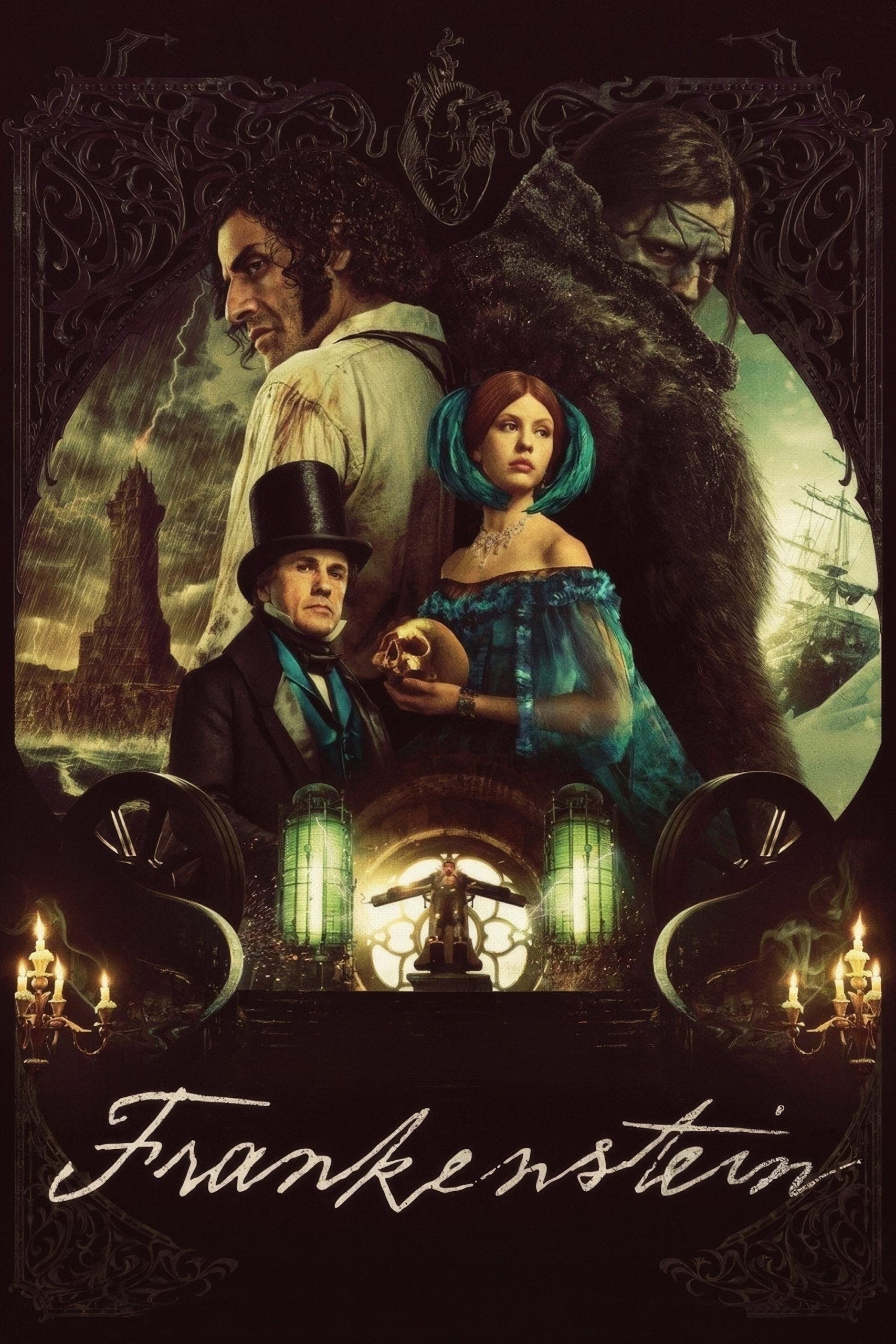
Overall Critical Reception
I’ve always been captivated by the polarizing nature of early horror films, but there’s something almost magnetic about the way critics have discussed the 1931 adaptation of Frankenstein since it first stunned audiences. Reflecting on early reviews, I’m struck by how sharply divided the critical community seemed to be. There was a clear split between those who heralded it as a mesmerizing leap for the genre and others who couldn’t quite stomach its grim inventiveness. When I dig into period commentary from leading newspapers of the era, I notice repeated admiration for the movie’s innovative effects and atmospheric design. The more conservative reviewers seemed leery of its macabre subject matter, yet even those reluctant voices grudgingly acknowledged the skill involved. As time moved forward, the chorus shifted dramatically. I’ve observed a remarkable warming up among film scholars, critics, and historians; retrospectives from the 1950s onward consistently single out Frankenstein as one of the most influential horror releases ever. The reverence for James Whale’s direction and Boris Karloff’s breakthrough performance has only intensified with time. It’s rare for a film to escape the shadow of its initial reception, but in this instance, Frankenstein has been canonized as a milestone that both distilled and elevated the form. Today, when I reference reviews in academic journals, respected magazines, or even specialty retrospectives, I find an almost unanimous embrace—the film is seen not just as a genre touchstone, but as a foundational text in American cinema. Even contemporary critics employing modern sensibilities typically express admiration, viewing the film as a masterclass in atmosphere, pacing, and visual storytelling. That continued veneration makes the film’s critical journey feel almost unique compared to many of its early horror contemporaries.
Major Film Rating Platforms
- IMDb – I’m always intrigued by the voting trajectory of a film’s score on IMDb, especially one with Frankenstein’s pedigree. When I examine the distribution of ratings, what stands out to me is the stability of its consistently high rankings across decades. The film generally enjoys a placement in the higher echelons of IMDb’s horror lists, reflected by a prominent average rating well above middling territory. What I find telling is the demographic spread: older viewers who encountered the film during television airings in the mid-20th century tend to rate it a bit higher, likely drawn by nostalgia and the weight of historical impact, while younger audiences are sometimes more critical, docking points for pacing or dated effects, yet even then, the scores rarely dip low. This reliable consensus—rooted in tens of thousands of user votes—signals to me that Frankenstein’s technical and performative qualities transcend mere generational taste. The IMDb page often acts as a hub for discussion, where commenters defend its artistry or debate its standing against other Universal classics. These patterns affirm to me that the film commands cross-generational respect.
- Rotten Tomatoes – Rotten Tomatoes has always fascinated me for its split between the “Tomatometer” critics’ aggregate and the “Audience Score.” For Frankenstein, the Tomatometer is nearly unanimous, bordering on perfect endorsement from professional critics. I find the critics’ side notably more unified than the audience segment. Critics’ blurbs consistently highlight the film’s technical bravura and its influence on the horror landscape, often referencing the precision of its pacing and the economy of visual storytelling. Meanwhile, audiences display slightly more variability: while the majority rate it highly, there are noticeable dips coming from modern viewers unused to the conventions of pre-World War II filmmaking—some lament the lack of visceral scares or call out dated elements. Yet, unlike many early horror titles, audience resistance here is exceptionally mild and more likely to spark discussion than outright dismissal. To me, this gap illustrates just how critics’ appreciation of historical context sometimes outpaces mainstream audience comfort with older aesthetics.
- Metacritic – When I look at Metacritic’s aggregation, it reaffirms what’s evident elsewhere in the critical landscape. Despite being a recent platform that often includes only modern retrospectives, the reviews consistently land in the top bands. I’m drawn to the weighting system Metacritic uses, which gives added value to prominent critics and prestige outlets; most of those pull quotes emphasize Frankenstein’s enduring artistic value and its landmark status. Occasionally, I come across brief grumbles about the film’s narrative simplicity or some rough edges in its production design, but these seem minor compared to the overwhelming majority that grades it among the best in horror, or even all cinema. For me, the aggregation illustrates a near-consensus: the retrospective re-evaluation has not only endured, but solidified to the point of universal critical celebration. The small number of lukewarm responses is drowned out by decades of positive reconsideration.
Audience Response and Popular Opinion
Whenever I talk to viewers—whether classic film enthusiasts or newcomers—about Frankenstein, I’m always impressed by how the film ignites conversation. Audience response, as I’ve witnessed both online and in person, tilts heavily toward reverence, though not without stipulations. Generations raised on the kinetic energy of modern horror sometimes approach the film cautiously, but almost invariably report surprise at its striking imagery and the pathos of Karloff’s performance. There is a prevailing sense among these viewers that they’re participating in a kind of cultural rite—watching a film that “everyone should see at least once.” While most share the critics’ appreciation for its artistry, some are more willing to question elements like pacing or the film’s restrained approach to violence. I frequently see lively debates about whether the film’s iconic status translates to genuine enjoyment by today’s standards; yet, the overwhelming trend is one of deep respect, if not outright adoration. Many casual viewers express newfound appreciation for how the film established horror conventions now taken for granted. Horror fans in particular frequently hail Frankenstein as a touchstone, placing it at or near the top when ranking Universal’s monster catalog. Even skeptics tend to concede the film’s innovation and unique impact, so opinions rarely drop into overt negativity. For me, the harmony between critical and audience acclaim for Frankenstein is both impressive and unusual, especially given how many early horror films have seen steeper drops in mainstream affection.
Points of Praise
- Acting Performances – From my perspective, Boris Karloff’s turn as the Monster is one of the finest, most influential performances in genre cinema. Karloff’s nuanced physicality—his lumbering gait and emotive expressiveness—has been cited endlessly as the gold standard for nonverbal acting in horror. I find his ability to evoke sympathy and terror in equal measure utterly magnetic, and every review I’ve read seems to echo that sentiment. Even supporting performances, though less discussed, contribute to the immersive, stylized tone.
- Production Design and Atmosphere – It’s impossible for me not to marvel at the film’s bold visual choices. The gothic laboratories, looming shadows, and intricate make-up work have become the stuff of cinematic legend. I believe much of the enduring acclaim is rooted in these striking visuals, which generate a sense of place and mood that, in my view, rivals anything produced by later horror films. Critics emphasize the set design and use of light and shadow as transformative for the genre, and I wholeheartedly agree based on my own viewings.
- Direction and Pacing – James Whale’s command over tone strikes me as a pivotal achievement. I detect an orchestration of dread and emotional tension that feels ahead of its time. The brisk running time and carefully modulated suspense mark Frankenstein as a remarkable director’s showcase. I, like many reviewers, appreciate Whale’s economy of storytelling—there’s not a wasted scene, and the narrative drive remains gripping throughout, even after multiple viewings.
Points of Criticism
- Occasional Narrative Simplicity – As much as I champion the film’s atmosphere, I do see—and have read similar comments—about its relatively straightforward plot mechanics. Especially for viewers accustomed to complex characterization, the film can feel somewhat more archetypal and less emotionally layered compared to later horror or drama films. I’ve noticed some critics wishing for greater psychological nuance from supporting roles.
- Pacing Issues for Modern Audiences – While I personally find the pace masterful, there’s a recurring refrain I’ve observed: some modern viewers feel that the film unfolds too gradually, especially in the opening sequences. What registers as methodical buildup in one era can seem sluggish to another. I notice these criticisms most among younger audiences, whose benchmarks for tension and horror have shifted over time.
- Technical Limitations and Dated Elements – I readily admit that certain technical features, such as visible seams in effects or somewhat stilted supporting performances, have been called out as “rough around the edges.” For myself and for the majority of critics I’ve read, this doesn’t detract seriously from the film’s impact, but a not-insignificant minority of audience reviewers cite these aspects—particularly the use of static camera angles or the obviously staged backdrops—as reminders of the film’s era.
How Reception Has Changed Over Time
When I trace Frankenstein’s journey through the decades, I find one of the clearest cases of a film’s reputation not just surviving but thriving as both cultural and critical contexts shift. Initially, it stunned and sometimes scandalized audiences, with critics divided over its merits. My sense is that the intervening years have only deepened its stature; by the late 20th century, it had transcended “cult” status to become a staple in academic, repertory, and pop culture circles alike. The arrival of home video and streaming platforms exposed the film to successive generations, providing fresh waves of appreciation and analysis. In my view—and this is borne out by review aggregators, film historians, and reappraisal pieces—the film’s canonical position in horror and all-American cinema has become unassailable. Periodic re-releases and restorations, along with inclusion on “greatest films” lists, have further elevated its reputation. While some critical voices have pointed out its limitations, I find that these rarely diminish the overall consensus. I believe the film’s blend of innovation, atmosphere, and iconic imagery has only become more prized as perceptions of the horror genre have evolved. If anything, Frankenstein’s reputation has risen, anchored by an almost mythic regard among critics, cinephiles, and mainstream viewers alike—a feat relatively few films of its age and provenance have managed to accomplish.
To go beyond scores and understand what shaped these reactions, background and interpretation can help.
🎬 Check out today's best-selling movies on Amazon!
View Deals on Amazon