
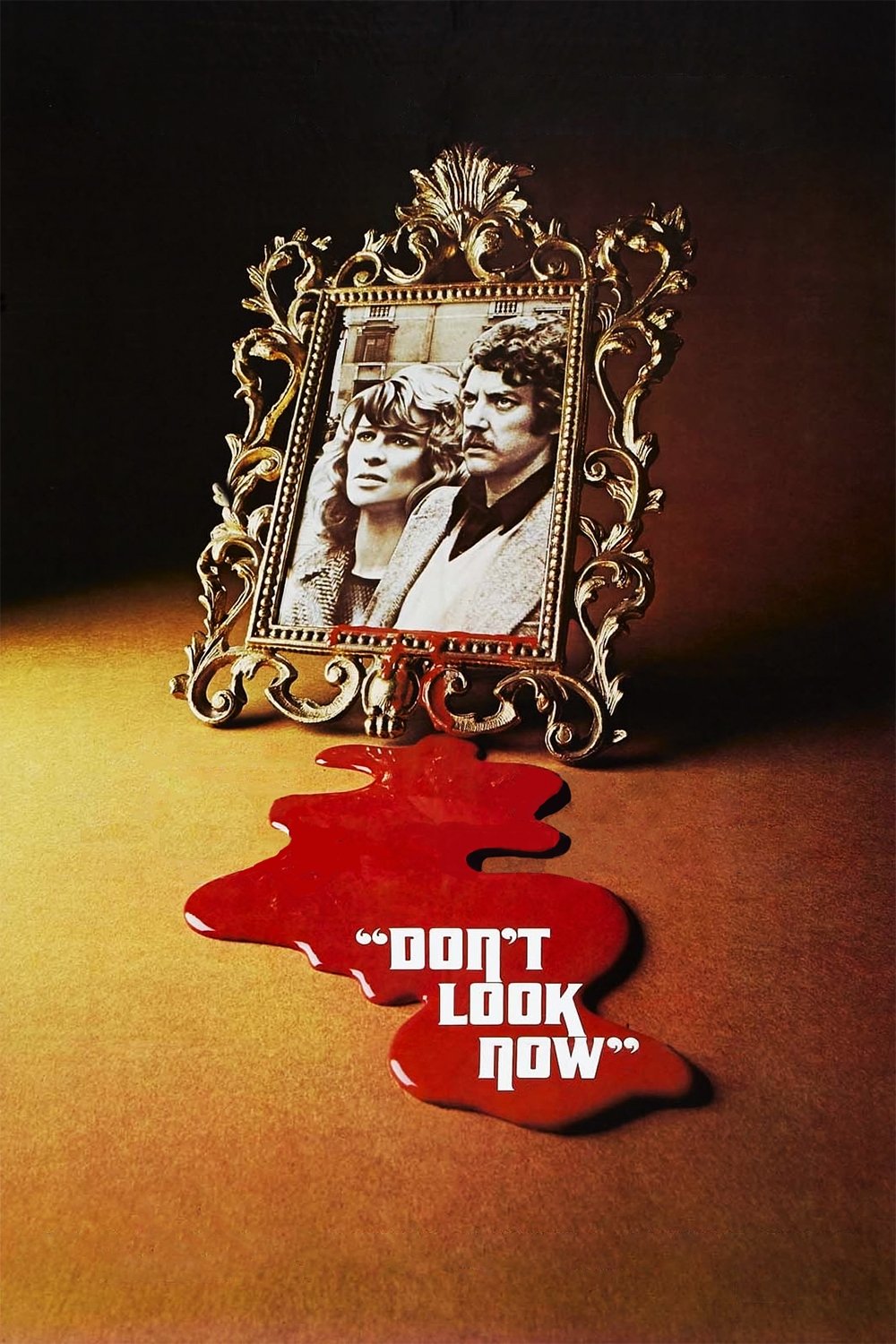
Overall Critical Reception
The first time I watched “Don’t Look Now,” I was struck by the ways my own expectations, shaped by decades of cinematic thrillers, felt both upended and fulfilled by Nicolas Roeg’s direction. It’s impossible for me to separate the film from its context on the timeline of British and European cinema, where it originally emerged in the early 1970s—a period pulsing with experimentation and aesthetic daring. When I explore contemporary reviews from its release, I find the film’s reception is nothing short of a fascinating case study in how critics engage with stylistic boldness and ambiguity. For my part, looking at reviews from both British and American critics, there’s an exhilarating push-pull evident: some lauded the movie for its visual invention and its willingness to confound, while others seemed genuinely unsettled or resistant to what they saw as the film’s elliptical narrative and shocking conclusion. I notice the praise of Roeg’s fragmented editing and the performances of Julie Christie and Donald Sutherland ran strong even from the start, though full appreciation of the film’s craft—or its haunting atmosphere—gathered more momentum as time went on, especially as critical language shifted to value the destabilizing and the uncanny. What stands out to me is how, over the decades, “Don’t Look Now” has morphed in the eyes of critics from an intriguing oddity to a near-essential entry in psychological horror and European art cinema canons. Today, it’s rare to find retrospectives or critical reassessments that don’t rank it as one of the defining films of its era, and to me this says everything about the film’s durable, gradual allure.
Major Film Rating Platforms
- IMDb – When I browse IMDb, what immediately comes across is how consistently strong the film’s aggregated user rating tends to be. From a critic’s vantage, I interpret this as evidence of appreciation not only from genre enthusiasts but also from those seeking something more intellectually and psychologically layered in their cinematic experiences. User scores typically cluster in the upper range, suggesting an enduring favorability and a loyal following that continues to champion the movie across generations. While the individual written reviews display wide variation in how the film’s pacing and cryptic narrative are received, the voting patterns reflect that the film’s stature as a classic is firmly rooted among general audiences who frequent this platform.
- Rotten Tomatoes – Whenever I look at the Rotten Tomatoes scores for “Don’t Look Now,” I’m reminded of how fascinating the split can be between critical appraisal and casual viewer response. The critics’ aggregate on this platform tends to remain impressively high, which, from my reading, is largely propelled by retrospective reviews and the film’s regular inclusion in critical lists of must-see horror or psychological thrillers. Audience response, reflected by the user score, can fluctuate more widely. I view this as a result of generational shifts in taste and perhaps the film’s languorous, unconventional pace, which doesn’t always translate smoothly for viewers accustomed to more straightforward storytelling. This visible gap between critic and audience percentages often sparks my curiosity about the evolving dialogue between mainstream and specialist film appreciation.
- Metacritic – Examining Metacritic’s approach to aggregating reviews gives me a sense of how the film is perceived by the critical establishment, especially those focusing on both recent and archival appraisals. I find that the score here typically falls squarely in the “very favorable” bracket, which to me reflects widespread critical consensus on the film’s technical achievements and emotional intensity. The platform’s compilation of blurbs often highlights the precise aspects—editing, atmosphere, performances—that have continued to impress over time. It’s clear to me from these aggregated numbers that critics, both at the time and in subsequent decades, consistently recognize the film’s lasting impact and its mastery of dread and ambiguity.
Audience Response and Popular Opinion
As I reflect on the broad spectrum of audience reactions to “Don’t Look Now,” I’m aware there’s rarely a film I’ve encountered that elicits such polarized, passionate, and intensely debated opinions. Compared to the often effusive praise from critical circles, the general audience’s reception is more varied and less reverent. When I scan through viewer forums, fan discussions, and even casual social media takes, it becomes clear that the film’s reputation among general audiences is a patchwork woven from awe, discomfort, confusion, and, at times, outright rejection. Those who engage deeply with the film’s mood-driven storytelling and impressionistic editing seem to hold it in the same regard as the most influential horror and art films, often pointing to its ability to unsettle and challenge expectations. Yet, at the same time, I’ve noticed many viewers struggle with the slow, almost meandering structure, or find themselves bewildered by the film’s refusal to offer easy answers or narrative closure. For me, what’s most telling is that even those who claim frustration or disappointment often circle back to discuss specific scenes or shots that linger in their memory—an indication, I suspect, of the film’s uncanny ability to plant visual and emotional seeds that persist long after viewing. The word-of-mouth over the years consistently suggests that “Don’t Look Now” is a film better appreciated on repeated viewing, where the initial confusion can transform into admiration and fascination. I’ve experienced this personally, watching conversations about the film evolve from confusion or dismissal to enthusiastic rediscovery, especially as new generations bring fresh perspectives to its mysteries.
Points of Praise
- Strength 1 – Editing and Structure: In my experience, the nonlinear editing and the intricate intercutting stand as some of the most frequently cited aspects of the film’s excellence. Rather than functioning as mere style for style’s sake, Roeg’s editing creates a sustained mood of disquiet and anticipation, which I find to be not only rare but also highly effective. Viewers and critics alike, in my reading, are routinely drawn to the film’s seamless transitions between past, present, and possible futures, which cultivate an atmosphere that keeps the audience on edge but always engaged.
- Strength 2 – Performances by Julie Christie and Donald Sutherland: I never tire of reading and hearing praise for the central performances in “Don’t Look Now,” which I consider to be the emotional anchor amid all the film’s visual and tonal experimentation. Both Christie and Sutherland bring a genuine sense of grief, vulnerability, and unpredictability to their roles, which countless reviewers and fans highlight as among the most compelling performances of their careers. For me, their interactions ring painfully true, and I find that their chemistry elevates the entire work, rooting its supernatural overtones in believable human emotion.
- Strength 3 – Cinematography and Visual Design: Every time I survey assessments by critics and fans alike, I’m reminded how much Nicola Roeg’s visual sensibility is baked into the film’s DNA. From the rain-soaked canals of Venice to the persistent use of the color red, the cinematography repeatedly receives focused praise for its ability to evoke both beauty and menace in almost every shot. Even those who find the narrative pacing sluggish or the structure perplexing rarely fail to celebrate the film’s haunting images and painterly framing.
Points of Criticism
- Criticism 1 – Pacing and Length: I regularly come across complaints about the film’s deliberate pacing and drawn-out scenes. While I see the value in Roeg’s methodical build-up, for many viewers this becomes a point of frustration, as the story unfolds in a way that can feel languorous rather than suspenseful. Those looking for more conventional momentum in their thrillers or horror films sometimes find themselves disengaged or impatient, and I notice this often in user reviews and less favorable contemporary write-ups.
- Criticism 2 – Ambiguity and Lack of Clarity: My own encounters with discussions around “Don’t Look Now” reveal a persistent divide regarding its deliberately cryptic storytelling. Some critics in the 1970s, as well as many viewers since, express bewilderment at the film’s refusal to provide concrete answers or explicit thematic resolution. I find this ambiguity tremendously rewarding, but plenty of opinions I read suggest that this lack of straightforwardness can be off-putting to those expecting neat genre conventions.
- Criticism 3 – Controversial Elements in Content: When analyzing responses from both the period of release and more recent commentary, I’ve noticed that the film’s sexual content and its shocking conclusion generate a significant amount of controversy. The explicit sex scene between the lead actors, though now often regarded as groundbreaking for its realism and emotional resonance, sparked considerable debate at the time. Some critics and viewers saw it as unnecessarily graphic, while others now regard it as essential to the story’s depiction of intimacy and loss. Likewise, the film’s ending remains divisive, with some feeling it undermines the narrative investment and others claiming it’s the element that cements the film’s legacy.
How Reception Has Changed Over Time
As I trace the trajectory of “Don’t Look Now” from its initial release to its current standing, I’m always struck by the dramatic turnaround in how it’s regarded in cultural and critical circles. At the time, even among those receptive to unconventional cinema, the film seemed to hover on the edges of the mainstream—admired but not necessarily celebrated as an instant classic. Its challenging structure, erotic frankness, and refusal to adhere to clear-cut genres placed it somewhere between arthouse curiosity and cult thriller. As decades passed, however, I’ve watched the assessment of the film undergo a transformation: what was once divisive or misunderstood is now described in almost reverential terms. The regularity with which it appears in best-of lists for horror, British cinema, or even world cinema suggests to me that its reputation has only improved with time. Directors, scholars, and critics now reference Roeg’s approach as not just innovative but as a template for how to handle emotion, memory, and suspense in film. For a work to move from the periphery of critical taste to the center, in my view, is testament to its lingering power and the way it continues to speak to new audiences and interpretive frameworks. The shifting tone in reviews—from guarded appreciation to unambiguous acclaim—mirrors my own journey: each revisit brings new likenesses, new layers, and deeper respect for its construction and impact. I now see the film not only as a high watermark for the 1970s but as a landmark that casts a long, influential shadow over the entire landscape of psychological thrillers.
To better understand why opinions formed this way, exploring background and origins may help.
🎬 Check out today's best-selling movies on Amazon!
View Deals on Amazon