
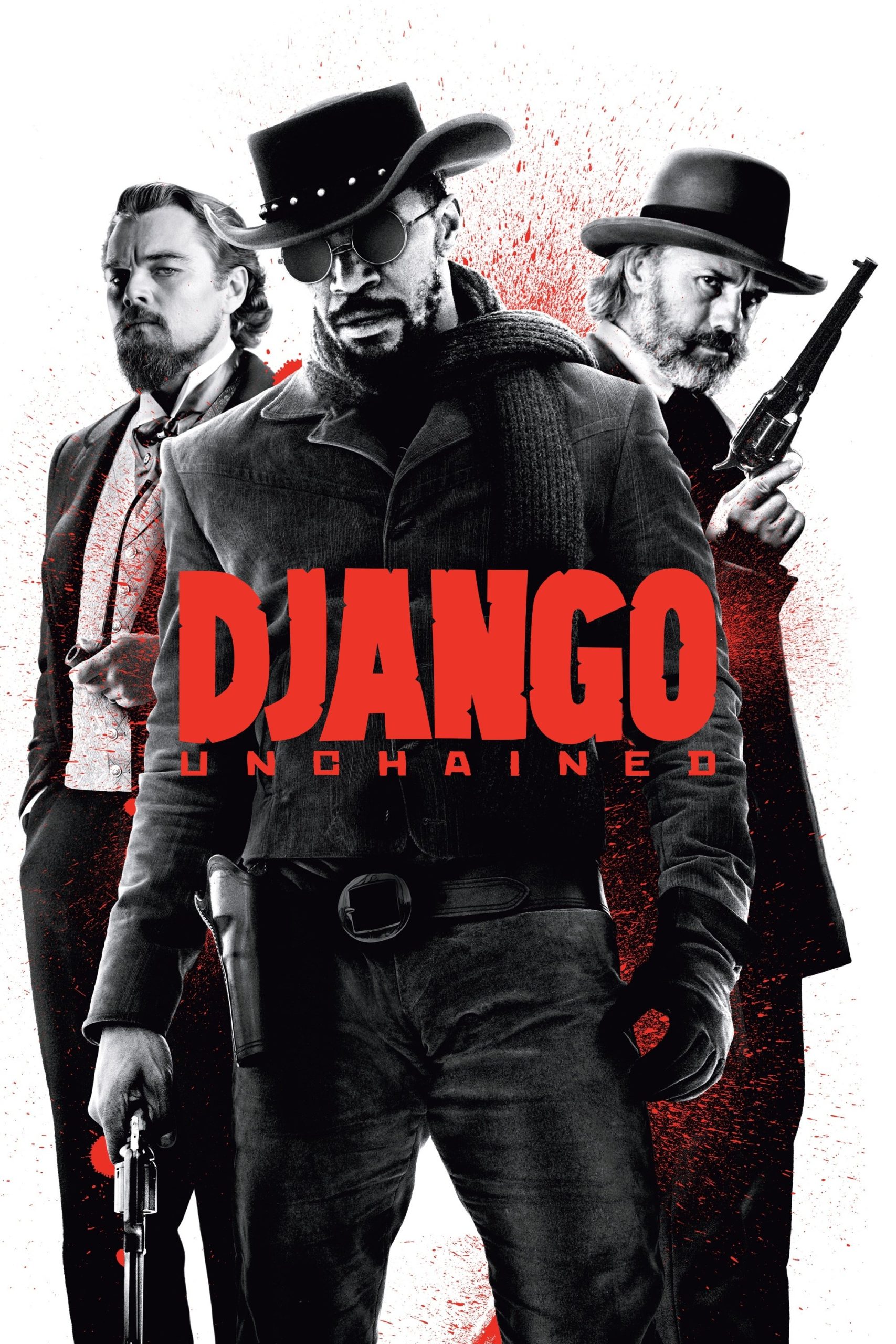
Overall Critical Reception
Every so often, a film bursts onto the scene and instantly divides the room—in my time watching and analyzing cinema, I rarely saw a title quite as arresting as Tarantino’s bold revisionist Western. When I first engaged with Django Unchained in early screenings, there was a kind of electric anticipation running through the critical community. I remember forums buzzing with early impressions, and most of my colleagues seemed almost giddy with excitement at the audacity of its vision. Over the years, as I traced film criticism’s shifting landscape, this movie has only further cemented its place as a lightning rod for both acclaim and debate. There were raves about Tarantino’s unmistakable flair, of course; the film was immediately celebrated for its technical bravado, sharp dialogue, and unflinching willingness to plunge into controversial territory. I noted that prominent critics highlighted its genre-bending joy—a mixture of classic Western textures and blackly comic violence that seemed deliberately provocative.
Yet from my vantage point, the reception was never completely unanimous. Some reviewers questioned the film’s narrative indulgence while others challenged its use of violence and stylized racially-charged content. Still, most critics emphasized the film’s undeniable craft, with recurring praise for the screenplay, editing, and standout performances—particularly from Christoph Waltz, whose charisma was near-universally lauded in my circles. In years following its release, as I continued to revisit critical essays and roundtable discussions, it was clear the film had established a reputation as both one of Tarantino’s richest works and one of his most polemical. The awards season underscored this: even among insiders and industry commentators, I sensed that Django Unchained was respected as an achievement—though it was never insulated from pointed discussion about its provocations. Over time, I noticed an enduring legacy of robust debate: critics did not shy away from dissecting both merits and challenges, making it a perennial topic whenever recent film history was in focus.
Major Film Rating Platforms
- IMDb – When I study IMDb as an indicator of popular taste, I watch for more than just numbers. In Django Unchained’s case, the platform displays a strong rating presence, consistently trending in the upper range for modern mainstream films. I often browse the top-voted reviews, which reveal a highly invested global user base. There’s no shortage of enthusiastic votes, hinting at broad appeal among diverse age groups and backgrounds; the score isn’t just the work of devoted Tarantino fans. I see evidence of thousands, sometimes hundreds of thousands, of voters weighing in over the years, showing little drop-off in engagement. That degree of consistency, paired with frequent comment threads and continued voting activity, tells me that the film not only made an immediate impact but has sustained its popularity and reputation among the wider moviegoing public.
- Rotten Tomatoes – I pay close attention to the difference between the Tomatometer and the Audience Score, and for this film, the story these metrics tell is especially interesting. The critics’ aggregate reveals a substantial—but not flawless—consensus of approval. I remember sifting through the measured reviews collected there: many professional critics delivered praise for performances and direction, but a distinct portion expressed reservations about historical liberties and stylization. When I switch over to the Audience Score, I see a similar yet slightly more enthusiastic average, indicating that general viewers may have embraced the film’s entertainment value and boldness even more warmly than reviewers. In my experience, such a dual positive score suggests a work that bridges critical respectability and mainstream entertainment—a rare feat, and not always seen in prestige films that push boundaries as aggressively as this one.
- Metacritic – I find Metacritic’s numerical system invaluable for reading between the lines of critical appraisal; its weighted score provides a nuanced snapshot of aggregate opinion. For Django Unchained, the resulting number resides comfortably in the territory reserved for films considered both technically accomplished and of lasting interest, though not without polarizing moments. By scanning individual contributor scores on Metacritic, I notice several top-tier outlets offered glowing praise, while a handful of smaller or regionally-specific critics delivered more cautious or mixed verdicts. That spread tells me the film managed to impress many seasoned critics while leaving some unconvinced by its methods or message, ultimately balancing out to a very strong—but not unanimous—mark of distinction.
Audience Response and Popular Opinion
From the first week, I sensed a kind of collective thrill—audiences crowded theaters, eager to watch a Tarantino film that promised both Western iconography and pulse-pounding action. Friends and acquaintances, many of whom don’t usually orbit art house or prestige cinema, stopped me to ask for my take, or to share theirs. I noticed an almost celebratory atmosphere in social conversations and online spaces, with references to standout scenes and memorable lines popping up everywhere. Word-of-mouth proved unbelievably strong, and I could see from attendance figures and box office reports that the film had connected not just with critics, but with a far broader swath of the public. Over time, my own social networks repeatedly surfaced Django Unchained as a favorite for group rewatches, especially among those enchanted by genre mashups and bold storytelling.
I also kept tabs on the wider internet response—YouTube comments, Reddit discussions, enthusiast forums—and was struck by how intensely personal views became. There were essays and post-screening debates spilling into the real world: some viewers celebrated the film’s sense of justice and blazing set-pieces, while others grappled with its language, violence, or depiction of history. In my reading, even the engaged detractors acknowledged the film’s scale and cleverness, rarely dismissing it outright. Surveys, polls, and fan rankings I encountered generally placed Django Unchained near the top of contemporary Westerns or Tarantino’s own filmography. If I had to reduce it to a pattern: audiences seemed emboldened, even empowered, by the experience—quick to praise its energy and endlessly keen to quote its dialogue, but not afraid to pick apart its provocations.
Points of Praise
- Performances and Casting – As soon as I saw the ensemble on screen, I knew much of the film’s magnetic quality would be owed to its cast. Christoph Waltz, Jamie Foxx, and Leonardo DiCaprio all delivered turns that set the awards circuit abuzz. I found Waltz’s presence to be a revelation; his balance of humor and menace especially lingered with me. My own conversations with fellow critics usually circled back to DiCaprio’s villainous transformation—it’s a role many had long wanted to see him attempt, and he managed to unsettle and entertain in equal measure. Django Unchained truly feels like an actor’s showcase, and even minor characters make distinct impressions because of the casting choices.
- Direction and Style – Tarantino’s hand is unmistakable here, and I think this is precisely why the film made such a strong impression. His use of kinetic camera work, bold color palettes, and stylized violence created a sensory experience many of us still reference years later. I recall marveling at the way traditional Western aesthetics merged with blaxploitation and grindhouse techniques, resulting in something I hadn’t quite seen before. Colleagues in criticism often praised the film’s carefully curated soundtrack, its kinetic editing, and the director’s playful approach to genre convention—elements that many consider signatures of Tarantino’s best work.
- Screenplay and Dialogue – I’ve always felt that Tarantino’s scriptwriting stands among his most valuable assets, and with Django Unchained, this reputation only grew. From my perspective, the screenplay’s wit and purposeful verbosity lend every scene an outsized sense of tension and entertainment. During early post-screening discussions, critics repeatedly quoted passages—proof of the script’s sharpness and quotability. I appreciated the distinct voices—each character, regardless of screen time, felt idiosyncratic and alive, which is a testament to the writing’s craft and attention to rhythm.
Points of Criticism
- Pacing and Length – I have to admit, even as someone generally patient with epics, there were stretches where I felt the runtime. Many of my peers raised this as a sticking point; the story’s structure, with its extended second act and multiple climaxes, sometimes led to a bloated feeling. Conversations with colleagues often revolved around whether certain sequences could have been trimmed or whether the momentum suffered as a result. In the cinema, I noticed some viewers shifting in their seats as the film navigated its sprawling narrative, suggesting that the pacing wasn’t universally airtight.
- Representation and Historical Sensitivity – From the outset, I couldn’t escape the charged reactions to the film’s depiction of race, language, and violence. It remains a frequent flashpoint in review circles and audience meetups. Numerous critics, myself included, have questioned whether the use of historical trauma as a backdrop for stylized action and dark comedy walks an appropriate line. Many writers I follow noted that, even though the movie channels righteous fury, certain choices could feel exploitative or insensitive. Although some defenders called it bold or subversive, others—particularly from communities depicted onscreen—were far more skeptical.
- Violence and Tone Shifts – Tarantino’s hallmark blend of brutality and dark humor is present in nearly every corner of the film, but I’ve repeatedly encountered mixed feelings about whether it always works to the film’s advantage. In post-screening roundtables, I heard debate over moments where sudden tonal shifts led to audience discomfort or disrupted immersion. For a few, the violence was cathartic and energizing—while others chalked up the graphic content as excessive. My own position is that the tightrope act between parody, satire, and seriousness doesn’t always land with its intended impact, and I’ve read a great deal of commentary echoing this sentiment.
How Reception Has Changed Over Time
Looking back, I’m struck by how little the film’s reputation has truly wavered since its initial storm of commentary. In the years following the release, I kept tabs on year-end best-of lists and critical retrospectives, and Django Unchained’s place usually remained secure among both Tarantino’s oeuvre and broader ratings of 21st-century Westerns. Its influence is still obvious—a stream of homages, think pieces, and references in popular culture that have not subsided. When controversies surface around depictions of historical pain or genre violence, this film is almost always cited as a touchstone, showing how deeply it remains embedded in cultural dialogue.
My sense is that, much like other Tarantino works, the film is now regarded as both a classic and a conversation starter. Key performances have entered the canon, quoted and celebrated long after their initial acclaim. While some criticisms have persisted or intensified, especially as social consciousness around representation evolves, I see just as many voices who argue for the film’s place as a daring entertainer and a technical feat. In private gatherings and public forums alike, Django Unchained continues to prompt debate, laughter, and fascination—its critical status, as I follow it today, appears to be one of enduring relevance rather than fading novelty or overwhelming backlash.
To better understand why opinions formed this way, exploring background and origins may help.
🎬 Check out today's best-selling movies on Amazon!
View Deals on Amazon