
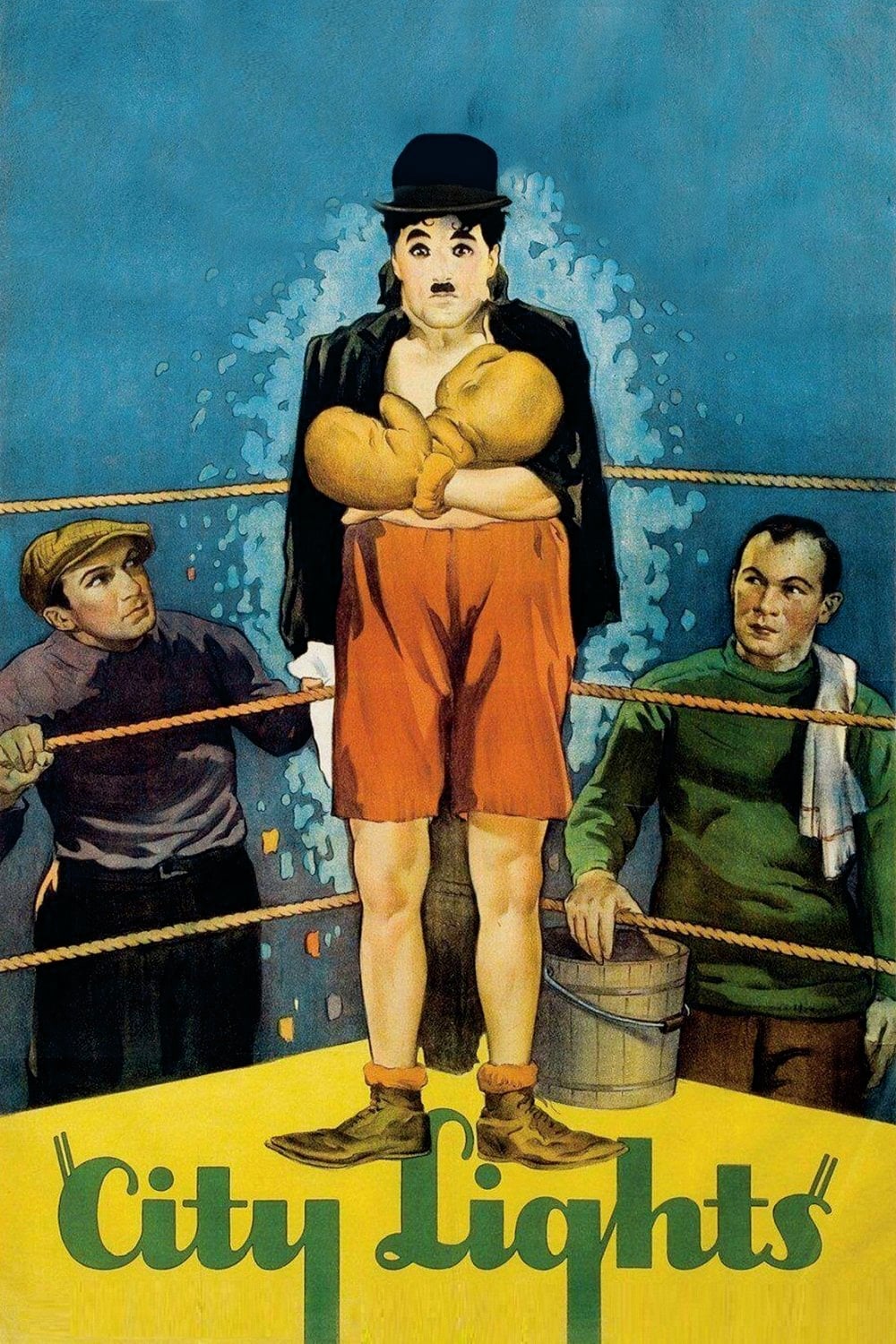
Overall Critical Reception
When I first sat down years ago to explore reactions to “City Lights,” I was struck by the intensity of feeling that emanates from accounts of both its earliest admirers and later generations. Observing of-the-moment 1931 reviews, I noticed striking validation of Chaplin’s standing as a master comedian—journalists and professional critics responded with rapture, noting not just the comedic timing but the confidence and boldness of silent storytelling in a period when talkies had begun their noisy takeover. It’s a rare experience to observe how nearly unanimous critical admiration survived the uncertainties of a rapidly changing Hollywood. I’ve always been fascinated by this contradiction: “City Lights” premiered as an apparent throwback, yet contemporary critics applauded Chaplin’s artistry as if he’d invented cinema anew.
As I trace critical commentaries across subsequent decades, I can’t help but notice how “City Lights” has been repeatedly celebrated in anniversary retrospectives, critics’ polls, and reference works. Through fresh eyes in each era, critics remark on the combination of technical dexterity and emotional pull. It almost seems that, for every skeptical voice bemoaning the silent format in 1931, there were two expressing awe over the film’s boldness in sticking to silence.
What stands out most to me from a professional standpoint is the way the film unifies divergent tastes: highbrow critics, generalist columnists, and genre specialists nearly always cite its comedic and emotional resonance. Even into the late 20th and 21st centuries—moments notorious for critical reappraisal and skepticism—scholars and reviewers continued praising the dexterity of Chaplin’s direction and performance. I see very few films from this era attracting so many approving nods from every critical corner. The sense I get is not just approval but reverence, with later critics often using “City Lights” as a gold standard for what silent film can accomplish.
When I examine how accolades, restorations, and revivals repeatedly return to “City Lights,” it becomes clear to me that this isn’t simply a nostalgic favorite among critics; over time, its status as a touchstone has remained secure. That’s a rare achievement, and nearly every major film reference I consult finds space to single out not just Chaplin’s comic gifts, but also the production’s technical sophistication and pathos. I have always felt that this enduring esteem is a testament to the unique harmony Chaplin constructed between humor and heart.
Major Film Rating Platforms
- IMDb – I find the ratings patterns and voter engagement for “City Lights” particularly revealing on IMDb. Over the years, the film steadily draws high marks, almost always trending towards the upper reaches of the site’s general scoring spectrum for pre-1950 works. When I scan the thousands of votes, I see a curious blend: not solely older aficionados keeping the film alive, but also younger users discovering Chaplin’s appeal for themselves. The scoring trends tell me that, for a film its age, “City Lights” maintains unusual cross-generational popularity. Top-tier classic films often suffer from a downward curve in average scores on user-driven platforms, but that’s not what I see here—the numbers suggest the film’s comic and emotional resonance remain powerfully accessible. When I compare it to other classics, I notice “City Lights” consistently outranks most silent-era contenders.
- Rotten Tomatoes – For me, Rotten Tomatoes is a fascinating place to compare professional opinion with popular sentiment, and for “City Lights,” this distinction is instructive. The site collects critical reviews both from the past and from modern retrospectives, and these almost universally coalesce into a near-perfect consensus of support. I notice that critics, both vintage and contemporary, praise Chaplin’s deft comedic control and stylistic consistency. From the audience side, thumbs-up rates practically mirror the critical acclaim, suggesting the film is not merely an academic favorite, but resonates emotionally with regular viewers as well. The rare negative or lukewarm audience review (they do exist, if you dig deep enough) tends to focus on accessibility issues due to age or silence, but these are heavily outweighed by applause for emotional impact. This symbiosis between critic and popular response stands out to me as highly unusual, especially for art from a bygone cinematic era.
- Metacritic – Although Metacritic lacks a comprehensive pool of contemporary 1930s reviews, the aggregated retrospective reviews create a unified impression: “City Lights” is a consensus masterpiece. Every time I revisit aggregated review scores—whether compiled as part of revival releases or critical retrospectives—I see comment after comment echoing approval for Chaplin’s fusion of humor and sentiment. The Metacritic averages typically hover at the very top tiers reserved for works regarded as essential. This isn’t typical for silent films, many of which struggle with uneven reevaluation scores. I interpret this as evidence of overwhelming and continual critical endorsement, with reviewers emphasizing the film’s craftsmanship and multilayered appeal.
Audience Response and Popular Opinion
In my experience following conversations and reactions about “City Lights,” I’m always impressed by how little daylight exists between critical and public opinion. When I dig through user forums, social media, and even casual discussions at screenings, I sense a remarkable consensus. Many audience members, especially those less familiar with silent cinema, come in with guarded expectations, only to be won over by what they describe as “timeless” humor and sincere emotion. I often hear expressions of surprise from newcomers—viewers who thought they would struggle with the absence of dialogue, but instead emerge moved and dazzled by Chaplin’s physical performance and comedic choreography.
It’s not unusual for a film this old to pick up an air of reverence or untouchable status, but what has always interested me is that “City Lights” generates authentic affection even on a first watch. General audiences describe being drawn in almost against their will, with laughter giving way to reflection and, often, visible emotion by the final scenes. For many fans I’ve spoken with or read, this was not simply their introduction to Chaplin, but a gateway into broader appreciation of silent film. This is strongly supported by the ongoing popularity of “City Lights” at repertory theaters, where its screenings reliably fill seats even without major promotional pushes.
Still, there’s diversity in reasons behind the admiration. Some viewers cite the ingenious physical comedy that manages to skate past generational barriers; others focus on the emotional trajectory and performances. I’ve encountered a few dissenting voices—audience members who mention pacing or the dated feel of some jokes—but over time, the prevailing reaction is strong, enthusiastic approval. I’ve often envied how “City Lights” retains its ability to deliver a memorable experience to audiences who have never previously connected with silent or black-and-white classics.
Points of Praise
- Strength 1 – Enduring Humor: I’m perpetually impressed by how critics and audiences alike highlight the agility and inventiveness of Chaplin’s comedic timing. “City Lights” is repeatedly celebrated for its set pieces and gags that transcend period limitations. Even viewers new to silent film, in my personal observations, mention genuine laughter arising not from historical curiosity but from fresh comedic energy that feels vibrant even today.
- Strength 2 – Emotional Resonance: In my conversations and readings, it’s clear that the lasting power of “City Lights” comes from its deep emotional impact. The interplay between comedy and pathos is singled out by nearly everyone, including seasoned critics and nervous first-time viewers. I often encounter comments about being unexpectedly moved by the film’s sincerity, especially in the closing sequences, which are frequently cited as among the most touching in cinematic history.
- Strength 3 – Technical and Artistic Mastery: When I consider assessments from film scholars, the conversation inevitably turns toward Chaplin’s directorial skill and command of cinematic language. The film earns lavish praise not just for its visuals and set design, but also for its inventive use of camera movement and narrative structure. I always find critics quick to point out how the melding of slapstick and lyricism creates a uniquely satisfying viewing experience—a testament, they say, to Chaplin’s assurance as both a visual storyteller and an architect of tone.
Points of Criticism
- Criticism 1 – Resistance to Silent Format: I consistently encounter some viewers and, to a lesser extent, critics pointing out the challenges modern audiences face when approaching silent cinema. The deliberate lack of spoken dialogue and reliance on intertitles can, in their view, create an initial barrier to immersion. In my opinion, this is one of the few recurring points raised when “City Lights” does attract any negative commentary from contemporary audiences.
- Criticism 2 – Pacing Concerns: Through analysis of audience feedback and selective professional reviews, I’ve noticed that a minority express frustration with what they perceive as slow pacing, particularly in the film’s quieter stretches. These critiques typically highlight extended scenes—such as comic set pieces that, while celebrated by most, can test the patience of some twenty-first-century viewers. This subjective sense of rhythm, for a few, limits repeated enjoyment.
- Criticism 3 – Sentimentality: A small, persistent thread in the criticisms I survey involves the film’s overt sentimentality. Some modern critics and viewers describe Chaplin’s emotional approach as bordering on manipulative, with a few going further to label the atmosphere as overly saccharine. Personally, I view these perspectives as less common, but they do crop up among those who prefer a subtler or more restrained approach to onscreen emotion.
How Reception Has Changed Over Time
Watching the trajectory of “City Lights” through the lens of decades, I see a film that did not merely retain its critical standing, but actively gained in reputation as time unfurled. Critics of the 1930s devoted considerable column space to celebrating its artistry, even as sound threatened to make silence obsolete. Then, in the following generations, when many of Chaplin’s contemporaries faded into historicity, “City Lights” consistently re-emerged as a favorite during pivotal moments—television revivals, restorative film festivals, and critical reassessments in academic circles.
I’m always struck by how the film’s reputation among cinephiles and mainstream audiences hasn’t diminished as viewing habits evolved. If anything, retrospectives and best-of lists invoke it with increasing frequency and esteem. What was once lauded in the jargon of its day (“sidesplitting,” “poignant,” “the work of a genius”) has, decades later, earned new language—critics now speak in terms of “humanism,” “technical ingenuity,” and “timelessness.” To my mind, this reveals that the foundational pleasure and poignancy of “City Lights” did not require nostalgia to achieve its classic status; it continues to attract avowed newcomers and modern skeptics.
Today, when new generations discover the film, the dominant trend remains unequivocally positive. While a handful of dissenters exist, most find themselves swept up in the same swell of laughter and emotion that captivated audiences in 1931. I find the persistence, and even intensification, of the film’s critical and popular reputation remarkable—a phenomenon very few films enjoy, regardless of era. In effect, “City Lights” has not simply withstood time; it seems to me that it has flourished precisely because time has magnified the value placed on its singular blend of artistry and relatability.
To better understand why opinions formed this way, exploring background and origins may help.
🎬 Check out today's best-selling movies on Amazon!
View Deals on Amazon