
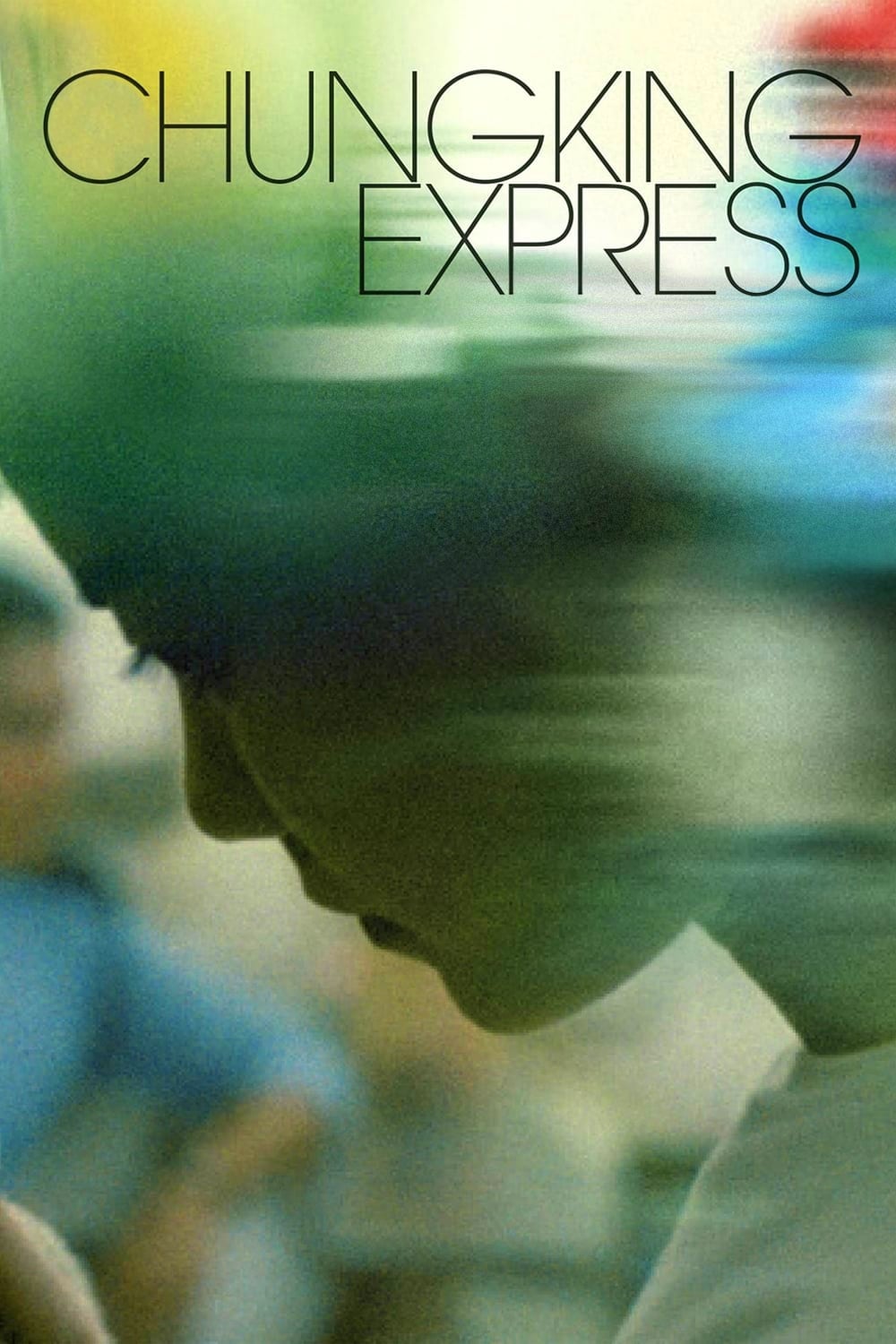
Overall Critical Reception
If I look back on my first encounter with “Chungking Express,” what lingers most is the feeling of being swept up by a film that seemed to capture time itself, suspending moments of heartbreak and longing in a vivid, bustling world. That immediate, kinetic emotional impact echoes much of how critics greeted Wong Kar-wai’s film when it debuted in 1994. From my vantage point, delving into archives and retrospectives, I see a pattern: critics felt compelled to describe their viewing experience in sensory terms, drawn into the film’s bold style and idiosyncratic pacing. At the time of release, many professional reviewers expressed admiration for the director’s fresh visual approach and unconventional narrative—especially among critics who had followed the Hong Kong New Wave and were primed for bold, experimental cinema. There was a clear appreciation for the film’s stylistic confidence, its restless momentum, and the magnetic performances from both its major stories’ casts.
Yet when I sift through initial Western and especially American reviews, I notice a note of tentativeness among some early critics. While many embraced the film’s lyrical randomness, a smaller but significant portion expressed uncertainty about the narrative structure, calling it “fragmented” or “elliptical.” Despite such reservations, influential voices like Roger Ebert and some major festival juries responded positively, ensuring the film quickly achieved prestige beyond niche cinephile circles. As years passed—I find that critical consensus has only grown more celebratory. “Chungking Express” is now frequently described in reverent tones by reviewers sampling it for the first time, as well as critics revisiting it for re-releases, Blu-ray restorations, and retrospectives. I’ve seen it move steadily from a cult hit to a regular inclusion in almost every “must-see international film” list, often called one of the defining works of 1990s cinema. New generations of critics, while sometimes noting that its contemporary imitators have dulled its novelty, still tend to emphasize its playfulness, melancholy, and inexhaustible charm.
Major Film Rating Platforms
- IMDb – When I browse through IMDb’s data, what stands out is a consistently high rating—one that has barely wavered in decades. The vote count strikes me as unusually robust for a non-English film from the early 1990s, with strong participation from both younger viewers discovering it for the first time and older fans revisiting a classic. The ratings skew noticeably toward the upper end, reflecting a kind of cross-generational consensus. While there are some outliers—occasional low scores by viewers perhaps frustrated by the narrative structure—the prevailing pattern is clear: most participants rate it very highly. This trend tells me that, beyond its reputation in film-critical circles, the movie has an enduring mainstream appeal on a global scale, cutting across language and cultural barriers.
- Rotten Tomatoes – The split here between the critics’ score and the audience rating has always fascinated me as an analyst. Critical consensus scores remain extremely high, with the vast majority of professional reviews counted as positive. This reflects the overwhelming admiration the film commands among critics—many reviews dwell on Wong Kar-wai’s inventive storytelling and the film’s visual bravado. The audience score, while also quite positive, tends to be a little lower and more mixed. From what I can tell, some viewers find the loose plot connections or stylized editing unsettling on first watch, leading to a trickle of more reserved scores. Still, a substantial portion of the audience leaves glowing ratings, suggesting the film elicits strong emotional responses—either of delighted surprise or mild division, depending on viewers’ preferences for pacing and structure.
- Metacritic – I’ve always found Metacritic’s approach to be telling because it aggregates reviews and weights them, giving a quick snapshot of critical consensus. “Chungking Express” sits comfortably within the platform’s upper tier, reflecting near-unanimous praise. The compilation of reviews—from both the original release period and more recent reappraisals—projects stability: the film isn’t just liked, it’s considered exemplary. The occasional outlier review, criticizing pacing or accessibility, rarely drags down the overall average. The data tells me that, at least among critics, its status as a masterpiece is firmly entrenched, and the consensus is quite stable over time.
Audience Response and Popular Opinion
My impressions of audience feedback are consistently shaped by the film’s reputation for polarizing—or at the very least, intriguing—viewers with its unconventional approach. Contrasting with the critical enthusiasm, I often find that audience reaction is multifaceted. Many viewers respond with immediate adoration, drawn to the film’s lush visuals, evocative soundtrack, and dreamlike pacing. Discussions on forums and social media frequently reveal newcomers swept up by the film’s mood, sparking debates over favorite scenes and interpretations. These viewers champion the film as a treasure, recommending it widely and engaging passionately with its style.
However, I also encounter a not-insignificant contingent of viewers who report difficulty connecting with the film on an emotional level, particularly upon a first watch. For every viewer enchanted by its rhythmic editing and elliptical storytelling, there is often another who feels slightly alienated by the absence of conventional plot progression or resolution. Some describe the film as “meandering,” while others praise the same features as exhilaratingly fresh. What I find especially striking is how repeated viewings tend to win over even initially skeptical audiences; reports of initial confusion turning to deep affection are common. In my personal interactions and research, I’ve noticed a pattern: while the film generates lively debate and a range of opinions, the general tenor of user reviews, blog posts, and video essays tips decidedly in its favor. The movie’s cult status has only deepened as younger generations discover it, often through streaming or film clubs.
Points of Praise
- Visual Style and Cinematography – Every time I revisit “Chungking Express,” I’m awestruck by Christopher Doyle’s cinematography. The saturated, neon-lit imagery and expressive handheld camera work generate a vibrant, almost tactile atmosphere. Critics and audiences regularly single out the visual flair as a signature strength, capturing contemporary Hong Kong with a mix of surrealism and intimacy. The unique look, shaped by bold color choices and innovative framing, is cited by many as the film’s defining asset.
- Soundtrack and Musical Choices – I personally find the soundtrack unforgettable, with its eclectic mix of pop standards and regional hits providing a pulsating emotional core. The repetition of songs like “California Dreamin’” draws explicit attention from both reviewers and fans, becoming intertwined with the film’s identity. Over time, critics have come to regard the use of music as not only atmospheric but also integral to the film’s rhythm and mood. This careful curation of musical moments is consistently highlighted as a primary draw.
- Performances and Chemistry – In my viewings, the cast injects an infectious energy into every frame—a sentiment echoed widely in critical reviews. The principal actors, especially Faye Wong and Tony Leung Chiu-wai, have been praised for bringing emotional nuance and spontaneity to their roles. The onscreen chemistry between characters, often communicated through gestures and glances rather than dialogue, continues to be admired as a testament to Wong Kar-wai’s skill with ensemble casts.
Points of Criticism
- Fragmented Narrative Structure – Even as a committed admirer, I have to recognize that the film’s bifurcated plot and lack of traditional resolution often leave some viewers unsatisfied. Critics occasionally cite the abrupt transition between the two storylines as a point of confusion or disappointment, feeling it disrupts narrative momentum. In comment sections and some mainstream reviews, I’ve come across repeated concerns over this disjuncture, with some calling it “distracting” or “jarring.”
- Accessibility and Pacing – While I appreciate the languorous pacing and stop-start rhythm, I notice that it’s not universally appealing. More than a few reviews complain about stretches that feel slow or aimless, rarely providing clear signposts for the viewer. The film’s indulgence in mood and repetition, which I find hypnotic, can frustrate those who prefer more plot-driven cinema. This sentiment appears regularly in mixed-audience platforms, reflecting a subjective but persistent dividing line.
- Lack of Character Backstory – I often marvel at the film’s elliptical approach to character, but some critics and viewers press for more traditional exposition. The sparse details provided about the protagonists’ pasts or motives are a regular source of contention. Detractors argue that this approach can render the characters emotionally distant, undermining the intensity of their introspective journeys. I see this critique especially among viewers looking for deeper psychological realism.
How Reception Has Changed Over Time
Few films, in my memory, have enjoyed such a marked escalation in reputation as “Chungking Express.” While it received substantial critical attention and a cult following at release, I have observed that its place in the cinematic canon has only grown more secure with time. Early reviews were frequently qualified, with some commentators unsure how to position its tone and structure relative to contemporary genre films or art-house imports. Yet, as the global reach of Hong Kong cinema expanded, and as Wong Kar-wai’s stature as an auteur solidified, the film began to occupy a more prestigious niche. By the 2000s, following its wide critical rediscovery through home video and festival circuits, I noticed a distinct shift: more critics were framing “Chungking Express” as a watershed moment in world cinema, using it as a reference point for visual storytelling and urban romance.
The passage of time has benefited the film in practical ways, too—each restoration and theatrical re-release brings it to new audiences, most of whom, in my reading, are less caught up in questions of narrative convention and more attuned to its poetic expressiveness. Today, I see “Chungking Express” named regularly alongside works by Jean-Luc Godard and other innovators of visual language. Reappraisals by critics, academics, and filmmakers routinely cite it as a source of inspiration. Even initial detractors, revisiting the film with the benefit of hindsight, often revise their skepticism in light of the movie’s enduring influence and emotional resonance. In my own assessments, I sense that its reputation will continue to rise, especially as the language of global cinema becomes more eclectic and genre boundaries dissolve. I can confidently say that “Chungking Express” is viewed now—not just as a beloved oddity from the Hong Kong New Wave—but as a film that profoundly shaped modern cinephilia.
To go beyond scores and understand what shaped these reactions, background and interpretation can help.
🎬 Check out today's best-selling movies on Amazon!
View Deals on Amazon