
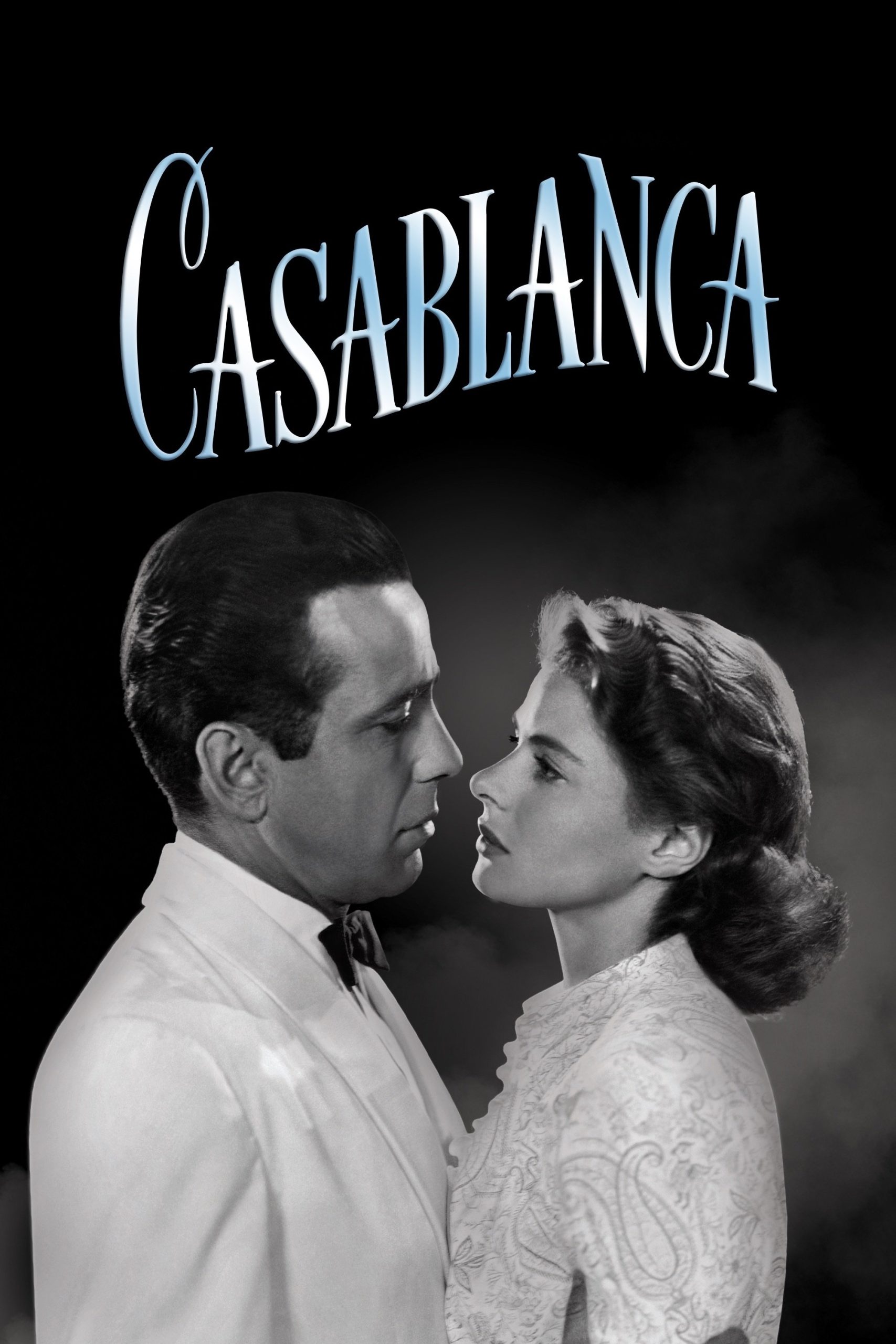
Overall Critical Reception
Looking back, my relationship with “Casablanca” is colored by the remarkable tapestry of responses I’ve tracked across decades. When I first delved into the wealth of early reviews from its 1942 premiere, I was struck by the distinct level of professional admiration the film garnered. Critics in large metropolitan newspapers articulated genuine enthusiasm, praising the sophistication of its craftsmanship and the magnetic appeal of its performances. Some early reviewers positioned it as a standout amongst wartime romance films—calling particular attention to its wit and emotional punch. I found it fascinating that the initial critical response wasn’t unanimously rapturous; a handful of respected publications considered it an accomplished melodrama, somewhat typical of Hollywood’s upper tier, but not necessarily revolutionary at first glance.
But when I revisited reviews published in the decades since, especially during its re-appraisals in the latter half of the twentieth century, I noticed the tone shift markedly. Retrospective critics began to elevate “Casablanca” to a Platonic ideal of the American studio system’s golden era. The vocabulary became more reverential—phrases like “timeless classic” and “flawless ensemble” crept into nearly every high-profile critical essay. My own sense is that the growing lore around its behind-the-scenes drama and political context contributed to its lionized status in the canon. Film scholars I’ve read often position “Casablanca” as a watershed moment for mainstream cinema and an emblem of what Hollywood could achieve when artistry merged with mass appeal.
For me, the evolution of critical reception from warm respect to near-universal veneration underscores just how powerfully a film’s reputation can mature alongside changing cultural sensibilities. Its emotional resonance, technical finesse, and the way it seems to capture something essential about both love and loss—these elements have sat persistently at the core of each generation’s rediscovery of “Casablanca.”
Major Film Rating Platforms
- IMDb – Explain what the general score range and voting patterns indicate.
- Rotten Tomatoes – Explain the difference between critic consensus and audience response.
- Metacritic – Explain how aggregated reviews reflect critical opinion.
- IMDb: When I sift through IMDb’s data, I’m always impressed by how persistently high its user ratings hold over time. “Casablanca” has amassed hundreds of thousands of ratings, representing a multigenerational cross-section of cinephiles, casual viewers, and first-time watchers. Its score remains anchored well above the average for films from any era, let alone one released in the early 1940s. This consistently robust score suggests to me a convergence of both critical admiration and widespread affection within the general public. The voting patterns reveal something distinct: recurring surges of rating activity following anniversaries, restorations, or re-releases. That to me signals sustained relevance—people keep coming back to it, and, importantly, inviting others to share in that experience. I’ve observed that demographic breakdowns show surprisingly little generational drop-off, pointing to an intergenerational appeal that transcends nostalgia.
- Rotten Tomatoes: Whenever I compare critic and audience metrics on Rotten Tomatoes for “Casablanca,” I notice an almost rare alignment between both groups. Critics routinely give it an approval rating approaching the upper 90th percentile, which to me indicates near-consensus within the reviewing community about its immense strengths. Audiences echo that fervor, but perhaps engage with the film on a more emotional and personal level, as reflected in their written comments and repeated endorsements. In my view, the lack of a “fresh vs. rotten” debate—common for so many vintage titles—only cements the idea that “Casablanca” stands almost immune to generational decline in taste. The scant divergence in ratings tells me the film’s combination of charismatic leads and memorable moments continues to reach new viewers in a way few classics manage.
- Metacritic: The Metacritic score for “Casablanca” relies heavily on the aggregation of contemporary re-assessments and more recent reviews, given the lack of digital-era opinions from its release period. Yet, when I analyze their array of professional scores, I see a tightly clustered collection of high marks—virtually no major outlet dips into the mixed or unfavorable range. The reviews don’t just praise the film’s direction or narrative energy; they frequently single out its enduring cultural influence. I find that Metacritic’s aggregation serves as a kind of shorthand for the modern critical consensus, confirming that appreciation for the film is not merely a product of nostalgia but holds up under repeated scrutiny and reconsideration.
Audience Response and Popular Opinion
Every time I talk about “Casablanca” with viewers outside of professional circles, I encounter enthusiasm that feels sincere and unforced. Whereas some so-called “classics” are regarded with a degree of obligatory respect rather than genuine enjoyment, “Casablanca” often produces heartfelt reactions from people with vastly differing movie tastes. Over the years, I’ve noticed patterns—older generations associate it with a kind of golden age sophistication, while younger viewers discover it less as a historical artifact and more as a surprisingly contemporary-feeling romantic drama.
The widespread quotes and images shared on social media platforms underscore to me that audiences not only remember the film but actively participate in a kind of ongoing homage. I rarely encounter indifference; people tend to be either delighted by its wit and charm or swept up by its bittersweet sensibility. I believe a significant chunk of popular appreciation comes from the film’s unique blend of highly quotable dialogue and an atmosphere that feels both urgent and elegiac. Audience scores on various platforms show meaningfully higher engagement, demonstrating that for many, “Casablanca” isn’t a film you simply admire—it’s one you love to recommend, revisit, and share with others.
Whether at midnight screenings or casual living room viewings, “Casablanca” reliably earns appreciation for performances, pace, and dialogue—qualities that I think are rarely universally admired across such a wide demographic sweep. If there’s a “typical” audience response, in my experience, it’s one of enthusiastic endorsement, reaffirmed every time the film finds a new home on a streamer, gets a restoration, or anchors a festival program. For a film released over eighty years ago, that blend of acclaim and affection is, to me, extraordinarily rare.
Points of Praise
- Strength 1 – Performance Quality: I’m continually impressed by how often viewers—both critics and laypeople—single out the acting for praise. For me, Humphrey Bogart’s work carries a subtlety that transcends the conventions of his era; Ingrid Bergman’s luminous screen presence and emotional range haven’t aged a day. The supporting cast, particularly Claude Rains and Paul Henreid, create layers of intrigue and pathos that I find key to its broad acclaim. These performances are not only iconic but have set an almost mythic standard for ensemble work in the studio era.
- Strength 2 – Dialogue and Scriptwriting: Few films invite repeated quoting the way “Casablanca” does, in my experience. The screenplay, with its famous lines and banter, is often noted as a paragon of sharp, efficient writing. I see the script’s blend of wit and gravity as a core ingredient of the film’s appeal—contributing lines like “Here’s looking at you, kid” and “Of all the gin joints…” to the canon of cinematic vernacular. The dialogue’s rhythm and poignancy invite both laughter and tears, cementing its legendary reputation.
- Strength 3 – Emotional Resonance and Atmosphere: What always strikes me is the way “Casablanca” manages to evoke a deeply textured mood—rooted partly in its music, partly in its lighting and set design, but mostly in the deft hand with which it renders loss, hope, and longing. I often hear from viewers and fellow critics that the atmosphere lingers long after the credits roll. Its blend of melancholy and resolve gives the film a timeless weight, making each revisit uniquely affecting.
Points of Criticism
- Criticism 1 – Familiarity Due to Ubiquity: One point I occasionally grapple with is a sense of over-familiarity. I’ve discussed with peers and noticed in online commentary that, for some, the film’s omnipresence in culture has dulled its impact. The endless citation of its most famous lines can make the experience feel less fresh to newer audiences. Personally, I sometimes wish the iconic moments could be experienced without the freight of parody and imitation that has accumulated over decades.
- Criticism 2 – Period Conventions and Pacing: I have encountered some critics and viewers who find the storytelling rhythms to be rooted in the conventions of its time—a sense of exposition-heavy plotting and melodramatic performance style that can strike a modern viewer as stilted. While I’m able to appreciate these aspects as part of the film’s DNA, I recognize that for some, the pacing or performance style can feel less immediate or more mannered than later classics.
- Criticism 3 – Limited Representation and Cultural Context: When I revisit “Casablanca” with a twenty-first-century lens, I can’t help but notice that it reflects the limited diversity of its era. Discussions with colleagues and community screening audiences increasingly highlight the absence of meaningful roles for non-white characters and simplistic rendering of some supporting figures. While I still treasure what the film achieves within its frame, I think the lack of broader perspective is an area where it now feels dated, especially against the backdrop of contemporary cinema’s evolving standards.
How Reception Has Changed Over Time
Throughout the years, my view of “Casablanca’s” legacy has expanded along with the ways its reputation has shifted. Initially, it was seen as a triumph—a hit among critics and audiences alike—but not necessarily the singular masterpiece it is often considered today. What intrigues me is how, with each decade, the consensus has only solidified and intensified. By the time retrospectives gained momentum in the 1960s and 1970s, “Casablanca” was being featured in film school syllabi, cited as a paradigm of screenwriting excellence, and championed by critics who saw it as an archetype of the emotionally intelligent Hollywood romance.
As far as I can tell, its reputation has not only endured but grown. Each revival, restoration, and digital re-release brings fresh praise and new audiences—people discovering that it remains vibrant, emotionally direct, and stylistically assured. My experience at sold-out repertory screenings supports the idea that the film transcends generational boundaries better than almost any other title from its era. However, I also sense that contemporary film discussion increasingly balances praise with a degree of contextual critique, particularly around representation and historical perspective.
Overall, my lasting impression is that “Casablanca” has enjoyed steady ascension on the ladder of film history. It no longer simply occupies a respected place among classics—it is often used as a benchmark for timeless filmmaking. Yet, as with all icons, devotion is tempered by critical inquiry and reflection on its limitations. For me, this evolving dialogue only adds richness to what is already a deeply storied and beloved film.
To go beyond scores and understand what shaped these reactions, background and interpretation can help.
🎬 Check out today's best-selling movies on Amazon!
View Deals on Amazon