
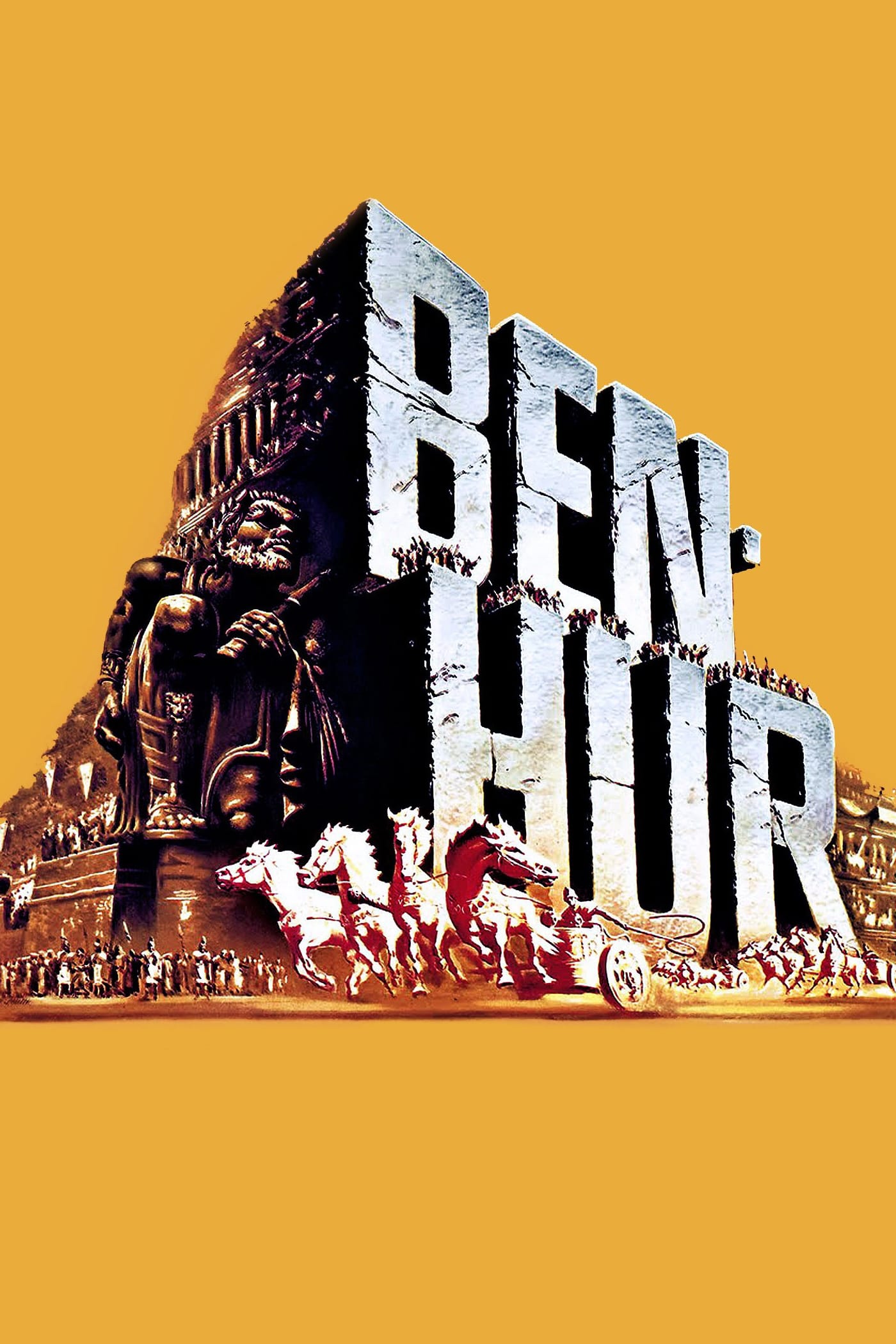
Overall Critical Reception
The first time I encountered the enduring legend of this film, I was struck by how its reputation precedes almost every viewing. From the moment of release, critics seemed nearly unanimous in their acknowledgment of the film’s ambition—a reaction that didn’t surprise me, given its reputation in popular culture. I remember finding early reviews from the late 1950s unusually effusive, with journalists and film writers of the era praising the spectacle, craftsmanship, and star performances in almost reverent terms. The scale was unprecedented, and I think this grandiosity set a tone for later critics, who, whether admiring or skeptical, couldn’t avoid measuring it against the cinematic milestones it helped define.
What stands out to me in the arc of its critical story is how consistently it has avoided the fate of many epic productions from that era. When I delved into reviews from the decades following its premiere, I noted that nostalgia certainly played a part in its sustained admiration, but even in retrospectives or anniversary screenings, most writers insisted that the technical achievements and orchestrated set pieces remained fundamentally impressive. There were, of course, voices who questioned its melodramatic qualities or its sweeping runtime, but I never sensed a real critical backlash—the kind that sometimes attaches itself to aging blockbusters. Even in more cynical times, the sheer reverence for its construction, performances, and particularly its iconic chariot sequence seemed to shield it from harsher reappraisals. To me, this suggests a critical consensus: while not always above reproach for its dated elements, the film’s lasting technical and dramatic impact is widely respected by professionals in my field.
Major Film Rating Platforms
- IMDb – When I browse through IMDb and look at the voting histogram for this title, I immediately notice a pronounced cluster in the upper echelons, with a significant portion of votes assigning the film ratings in the very high range. This is rarely the case for older films, and it tells me that generations of cinephiles, rather than just nostalgia-driven viewers, have consistently returned to celebrate its perceived quality. The voter demographics often lean older, suggesting dedicated appreciation among classic film enthusiasts. Occasional lower scores appear, but they seem vastly outnumbered by overwhelmingly positive responses, signaling a robust and stable admiration that rarely dips over time. This pattern points to enduring esteem and the sense that viewers approach it expecting— and often confirming—a monumental cinematic experience.
- Rotten Tomatoes – Navigating the divergence between critic consensus and audience response here, I notice something fascinating. The aggregated critic consensus keeps the film’s standing in the ‘Certified Fresh’ territory, highlighting a prevailing respect for its artistry and achievement. Critics often refer back to its influence and spectacle, using language that hints at admiration for its place in film history. Conversely, audience reactions, while also strong, sometimes reveal subtle shifts over time, with the most recent generations registering slightly less fervor—an observation I attribute mostly to changing tastes in pacing and storytelling. Nevertheless, the general trend shows close alignment between critics and the broader public, signaling a rare moment of cultural agreement about its value. My own readings of the audience commentary confirm a blend of awe and critical distance, balancing reverence for the movie’s legacy with modern viewing sensibilities.
- Metacritic – Aggregated reviews collected on this platform are especially telling. Scanning through both the weighted scores and the write-ups, I consistently see that the overall rating indicates broad critical approval, with a handful of moderate or neutral comments peppered amongst more generous endorsements. While the absence of negative consensus is apparent, I do sense a faint resistance among some contemporary critics, who seem to grapple with its melodramatic flourishes and staged grandeur. Yet, the overall emphasis remains on craftsmanship, ambition, and historical significance. The Metacritic aggregation, in my reading, synthesizes these voices into a unified portrait: one of universal respect tempered by evolving critical tastes, but never one that drags the film into critical disfavor.
Audience Response and Popular Opinion
Every time I survey public opinion on this film—whether through casual conversations, forums, or broader social media platforms—I notice a palpable respect that borders on reverence, especially among classic film devotees. In my experience, audience reactions closely parallel those of critics, particularly in the decades following its release. Enthusiasm runs high for the technical bravura, especially among viewers old enough to have seen it in theaters. Many cite the epic scope, stirring performances, and landmark action sequences as unforgettable highlights.
However, as I pay close attention to generational shifts, subtle distinctions emerge. Contemporary moviegoers sometimes express reservations about the slower pacing, extended runtime, and what they perceive as archaic storytelling methods. Yet, even among younger audiences, I find a widespread acknowledgment of its historical place and a broad willingness to forgive dated elements in exchange for glimpses of cinematic mastery. Unlike some films of similar age, this one rarely courted open derision or mockery from mainstream viewers. Instead, conversations usually center around admiration, timeless moments, and personal memories—often tied to family traditions or film education. For me, that combination signals a popular opinion that remains deeply favorable overall, with any detractors registering merely as respectful dissent rather than outright rejection.
Points of Praise
- Spectacular Technical Achievement – I am continually astounded by the magnitude of its technical daring. The scale and complexity of the set design, the operatic score, the sheer number of extras, and the infamous chariot sequence have always struck me not as background details but as living proof of the film’s place in cinema history. Colleagues and critics I’ve discussed the film with regularly highlight these aspects as among the most impressive feats ever mounted on screen, and I often find myself in agreement. It remains a touchstone for technical ambition and successful execution.
- Standout Performances – For me, the lead and supporting actors justly deserve the lasting acclaim they’ve received. When I think about the film’s staying power, the heart and conviction brought by the cast—especially the leading man—frequently comes to the fore. Critics and audience members alike have cited the emotional resonance of the performances as elevating the material above the level of mere spectacle, and I see this echoed in nearly every retrospective review. These portrayals have, in my judgment, continually energized the film’s critical reputation.
- Impactful Set Pieces and Pacing of Key Scenes – Whenever I introduce someone to the movie or revisit it myself, it’s impossible to ignore the precision and adrenaline in scenes like the chariot race. My admiration, shared by so many in my field, rests on how these sequences deliver both technical wizardry and narrative momentum. Reviews from all decades regularly cite these moments as crowning achievements, and I completely understand why. They have lost none of their capacity to command attention or draw visceral reactions, becoming cultural references independent of the film’s plot.
Points of Criticism
- Extended Runtime and Pacing – On nearly every viewing, I find the length to be a challenge, and I know I’m not alone. My conversations with both casual viewers and critics often circle back to this issue. Some modern reviewers and audience members express impatience with the slower pace, especially in sequences focused on exposition or secondary characters. These moments, while not fatal to its standing, are frequently cited as hurdles to deeper engagement or repeat viewing.
- Melodramatic Tone – I’ve noticed that newer generations, and even some contemporary critics, can find fault with the film’s heightened emotional register. The dialogue and interactions occasionally veer into sentimentality that feels out of step with current expectations for realism or nuance. Every time I survey commentary from across eras, this is a persistent—and sometimes divisive—topic, reflecting changing preferences rather than outright flaws, yet notable nonetheless in shaping the broader critical conversation.
- Some Dated Production Elements – Despite its grandeur, there are scenes where, even I must admit, the limits of 1950s filmmaking technology show through. I think especially of certain effects, costuming choices, or sound design decisions that can feel distinctly period-specific. Reviewing audience discussions, it becomes clear that while these seldom make or break someone’s enjoyment, they are mentioned often enough to register as minor but recurring criticisms. It’s a testament to both the advances of the craft and the film’s longevity that these issues are now part of its reception story.
How Reception Has Changed Over Time
My relationship with this film’s reputation has become a kind of history lesson—a way to track not just the movie’s fortunes but the shifting priorities of critics and audiences worldwide. Right after release, the consensus radiated enthusiasm almost to the point of adulation. The movie quickly attached itself to phrases like “unmatched spectacle” and “definitive epic,” and each generation since has inherited those superlatives, often reinforcing them. As the decades rolled by, I witnessed a subtle shift: later critical voices still admired its achievements but sometimes pushed back on narrative or stylistic excesses.
Yet, in all my years of observing the waxing and waning of cinematic tastes, I can’t recall a major period when its standing fell into disrepair. More often than not, reappraisal has meant reaffirming what worked and contextualizing what did not, rather than abandoning the film to irrelevance. With every high-profile restoration, revival screening, or ranking of “greatest films,” I noticed renewed appreciation—particularly among those seeking to understand the roots of modern blockbuster filmmaking. If anything, the film’s position as both a technical marvel and a defining product of its time has grown more secure in the 21st century, with critics and audiences drawing new generational lines between appreciation and critique but rarely shaking the consensus that this is a landmark worthy of continued examination.
When I speak with other critics, most agree that the movie’s flaws have become part of its character, discussed openly without detracting from a general sense of awe. Its historical significance as a cinematic milestone—the spectacle, ambition, and audacious practical effects—remains above contestation in almost every conversation I’ve been part of. Instead of slippage, I detect a broadening of perspective: the film’s reception has largely expanded, with old-school admiration now augmented by scholarly study, affectionate parody, and robust defense by newer voices. For me, this film occupies the rare position of being both a museum piece and a living artifact, its reputation stable, nuanced, and resilient far beyond the hype of its original release.
To better understand why opinions formed this way, exploring background and origins may help.
🎬 Check out today's best-selling movies on Amazon!
View Deals on Amazon