
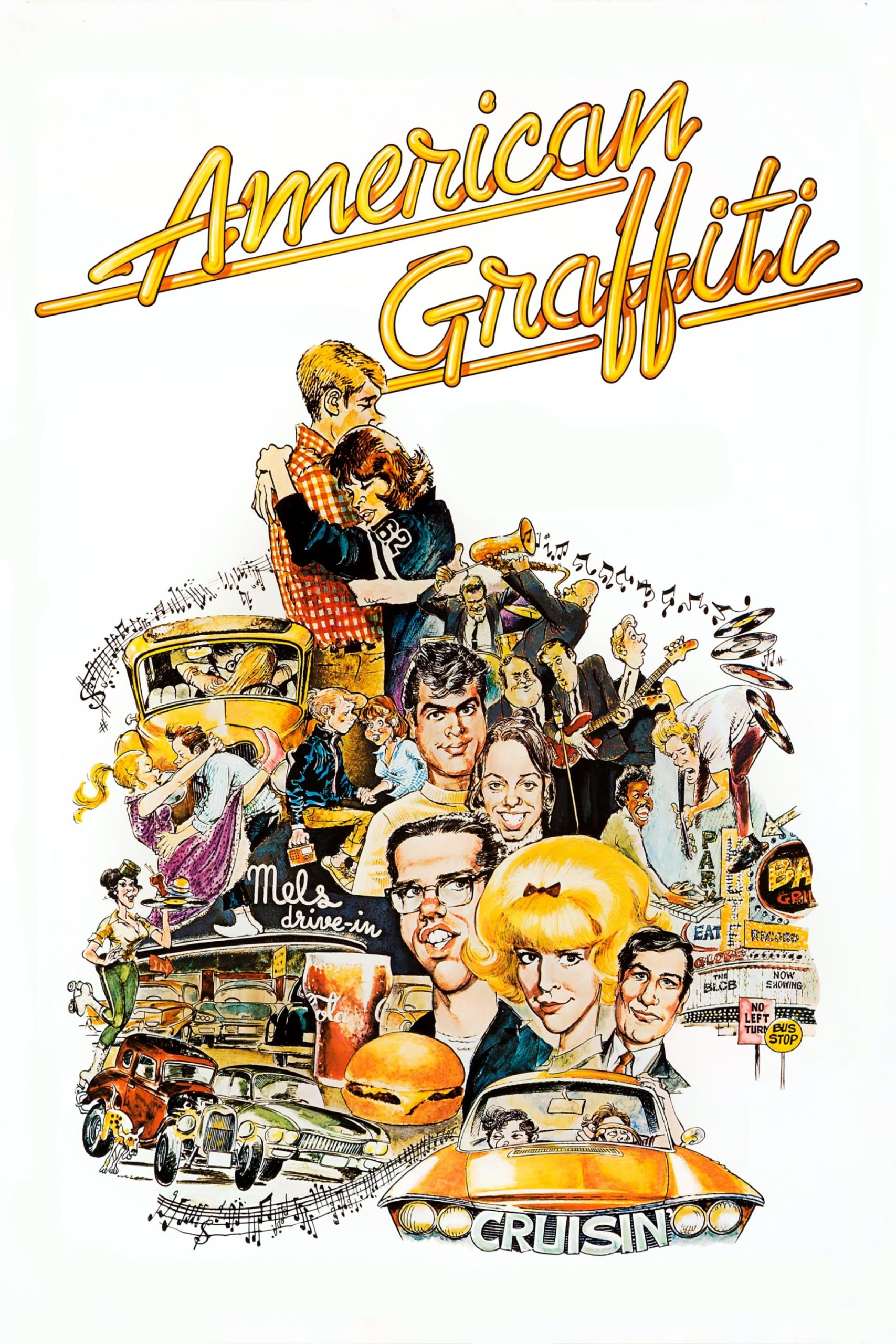
Overall Critical Reception
Every time I revisit American Graffiti, I’m struck by how vehement and immediate the admiration was from critics when it hit theaters in 1973. For me, reading through the early reviews, there’s an unmistakable sense of delight at the film’s ability to bottle a moment in time. Critics from major publications raved not only about its infectious nostalgia but also its underlying technical prowess—a surprise, perhaps, from a young director still honing his craft. I notice, looking back, that the premiere at the Locarno International Film Festival had reviewers calling it essential viewing almost overnight, a response that didn’t soften as the weeks went on.
As the years have ticked by, I’ve observed how the critical assessment has only grown more effusive. When I immerse myself in retrospective essays and anniversary pieces, it’s clear there’s a near-universal acknowledgment of the film’s foundational impact on coming-of-age storytelling in American cinema. Many critics gradually shifted their language from surprise at its success to a kind of reverential certainty about its place in film history. What fascinates me most is how the narrative around the film’s reception changed from one of affectionate appreciation to one of deep, almost scholarly respect. Later generations of critics, particularly those writing for academic or cinephile outlets, seem to view American Graffiti not just as a commercial or nostalgic juggernaut but as a formal innovation—one that redefined how atmosphere, music, and memory could be wielded on-screen.
But, it would be disingenuous to pretend that every review was glowing. I’ve found pockets of dissent from critics unimpressed by its seemingly meandering structure or unapologetic sentimentality. Yet, those dissenting takes have nearly been drowned out over the decades by the overwhelming chorus championing its verisimilitude and ensemble performances. If there’s a pattern I discern, it’s that professional critics hold the film in even higher esteem today than when it first premiered—an unusual trajectory for any piece of popular culture.
Major Film Rating Platforms
- IMDb – As I dig through the voting patterns on IMDb, I’m always compelled by the size and spread of the audience base. The film commands a consistently high score over time, as well as tens of thousands of ratings—remarkable longevity for a film rooted so specifically in the early ’60s. What I notice is that there’s a substantial cluster of ratings in the higher range (think 8s and 9s out of 10), with comparatively few dipping into mediocre territory. This voting pattern, to me, suggests that even a casually nostalgic viewer finds the film rewarding, while cinephiles offer more impassioned endorsements. Whenever I peruse the detailed reviews, I spot references to the movie’s authenticity and emotional resonance, often from users identifying it as a personal touchstone. I’d say the general consensus is not just appreciation, but affection—a film that still speaks across generational divides.
- Rotten Tomatoes – My look at the aggregate on Rotten Tomatoes tells an intriguing story: the critics’ consensus is overwhelmingly favorable, but the audience score is just as robust, if not occasionally even higher. I think this kind of parity is unusual for a film of its era, and it stands out because both professional critics and casual viewers arrive at a similar sense of satisfaction. Critics’ comments assembled here often zero in on the film’s craftsmanship, while fans highlight its ability to evoke memories and feelings. There isn’t a dramatic gulf between “official” opinion and grassroots admiration—both cohorts seem united by a collective respect for George Lucas’s vision. I rarely see as much alignment on this platform for films of such vintage.
- Metacritic – Scanning Metacritic, I’m always reminded of how the site’s weighted average distills consensus down to a single number. The cumulative score for American Graffiti sits solidly within the green zone, which for me is a signal not just of widespread approval but a lack of divisive outliers. Most reviews are favorable, verging on glowing; negative or even ambivalent takes are scant and carry little weight. When I compare these aggregates with the written blurbs, there’s a recurring emphasis on the film’s spirit and unique structure. To me, the Metacritic snapshot confirms what I’ve sensed in critic circles over the years: the film maintains almost unassailable standing among the canon’s top-tier American classics.
Audience Response and Popular Opinion
My experience talking with fellow moviegoers, reading user reviews, and even attending screenings all point to an enduring popular embrace of American Graffiti. Where some films gather dust or their reputations tarnish with time, this one seems to gather new devotees in each generation. I’ve noticed the way audiences respond: not just in the form of high ratings, but through personal anecdotes, as if viewing the film is an experience to be cherished and retold. There’s a sense among viewers, myself included, that this is more than a time capsule; it feels like a communal monument to youthful exuberance and uncertainty.
In marked contrast to some critical darlings that confound or bore general audiences, I’ve found almost none of that resistance here. The humor and the music invite rewatching, while the recognizable cast of then-unknown actors lends an air of authenticity. I keep hearing, both in person and online, echoes of, “This feels like it could have been my story.” The film’s technical flourishes—the way it uses its soundtrack, the seamless staging of nighttime cruising—are noticed and appreciated even by viewers who generally aren’t drawn to older films. That’s rare, and it tells me something about its universality.
Still, once in a while, I encounter frustration from those who yearn for more plot, or more overt dramatic payoffs. Even in today’s fast-paced, sensation-hungry moviegoing culture, though, I find these voices are outweighed by a palpable goodwill. The audience verdict, as far as I can see, echoes the critics: affectionate, engaged, and warmly nostalgic.
Points of Praise
- Strength 1 – Ensemble Cast Chemistry: For me, this is the shining star of the film’s critical and audience reception. The way the cast interacts—every glance, every banter, every moment of tension—feels organic and lived-in. I think critics and viewers took notice because, rather than centering one protagonist, the film orchestrates a tapestry of relationships. The performances of Richard Dreyfuss, Ron Howard, Cindy Williams, and the rest, seem to exist in delightful counterpoint, crafting an ensemble where no thread feels extraneous. I believe this communal dynamic has contributed significantly to its lasting appeal.
- Strength 2 – Evocative Use of Music: Every time I revisit reviews or speak with fans, I find unanimous praise for the soundtrack. The way classic rock & roll is woven into the soundscape doesn’t just punctuate the story; I’d argue it transports the viewer, grounding the film’s emotional beats in songs that are themselves loaded with meaning. For me, this isn’t just background music—it’s a narrative device, and the critical consensus appears to agree. This thoughtful use of period tunes has influenced countless films since.
- Strength 3 – Authentic Sense of Time and Place: What impresses me most, and what I often see noted by other critics, is how American Graffiti conjures 1962 small-town America. The film’s world feels scrupulously real—for viewers who actually lived through that era, and those of us who only know it secondhand. I believe this authenticity comes through in the dialogue, the locations, and the visual details. The frequent commendations I see for its production design and atmosphere aren’t just nostalgia—they’re recognition of how thoroughly the film crafts a believable world.
Points of Criticism
- Criticism 1 – Loosely Structured Narrative: Speaking for myself, and echoing the few critical voices of dissent I’ve heard, the film’s episodic progression can be an obstacle. Some critics—especially in the original batch of reviews—expressed concern over a perceived lack of focus or urgency. I get where they’re coming from: the film’s meandering pace and absence of a traditional through-line may leave certain viewers unsatisfied, yearning for firmer narrative grounding. It’s a genuine stumbling block for those not already attuned to the genre’s rhythms.
- Criticism 2 – Overindulgence in Nostalgia: Here’s another concern I’ve come across, and occasionally feel myself—the film leans so affectionately into its evocation of the past that it sometimes skirts self-indulgence. Some critics and viewers, particularly younger or more critically rigorous ones, have called out its sentimental streak. To them, and occasionally to me, the reverence for the era borders on rose-tinted, potentially glossing over real hardships in favor of warmth and whimsy. This approach, I think, can make the film feel a bit insular for those on the outside looking in.
- Criticism 3 – Uneven Character Development: While I personally enjoy the broad cast, I do sometimes feel the squeeze of trying to juggle so many personalities over a single night. Some critics, and more than a few audience members, have observed that not every subplot lands with equal weight. Several characters are more sketched in than fleshed out, which occasionally undercuts the emotional impact. I find that some viewers struggle to connect deeply with any one character, given the film’s rapid movement between storylines.
How Reception Has Changed Over Time
Reflecting on how the film’s standing has ebbed and flowed, I come away convinced that American Graffiti is one of the rare films whose reputation has only strengthened with each passing year. At its debut, the movie was championed as a crowd-pleaser and a clever ode to its era. Over time, however, its status has evolved—no longer just a nostalgic favorite, it’s been adopted into the cinematic canon as an early masterwork of its director and an archetype of the coming-of-age film. I’ve seen the movie’s citation rate in academic literature and its inclusion in “best-of” lists rise meaningfully since the late 1980s. Film schools now teach it; new critics reference its narrative style and cultural impact with increasing regularity.
Interestingly, I’ve noticed that even as cultural tastes have shifted—often making relics of similarly popular films from the era—this one persists in relevance. Viewers who discover it decades after its release relate to its themes of youthful yearning and transition, which, in my experience, have proven remarkably universal. There are occasional waves of reevaluation, as younger critics interrogate its nostalgic framing or question its completeness in representing the era. Even so, I rarely see outright dismissal; instead, I spot a gentle recalibration of its strengths.
The continuous preservation efforts, high-definition restorations, and frequent revival screenings reinforce the sense for me that this isn’t simply a cult or generational favorite, but a film that has earned its place in the pantheon. Its legacy seems assured, at least in my eyes, by the way each generation claims it as its own, often using it as a marker for the cultural mood of both the early ’60s and the early ’70s when it was made. My view, echoed in the words of hundreds of critics and thousands of film fans, is that American Graffiti hasn’t just survived, it has thrived—gaining stature, respect, and affection as the years go by.
To go beyond scores and understand what shaped these reactions, background and interpretation can help.