
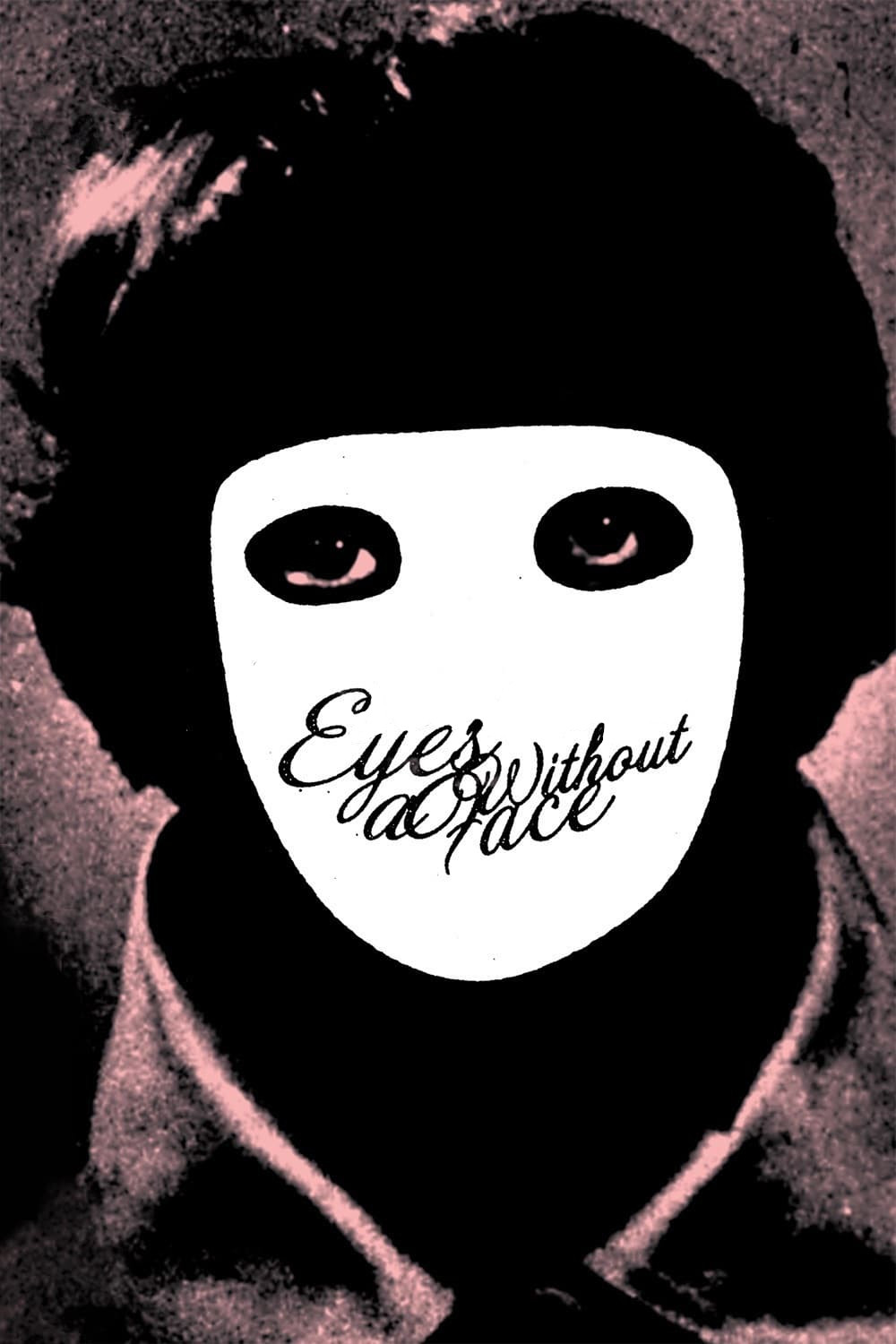
Overall Critical Reception
I still remember the first time I came across a mention of “Eyes Without a Face” and feeling immediately compelled by its peculiar blend of critical intrigue and whispered legend. As I dug through reviews and retrospectives, I quickly realized that the film’s reception has always fascinated me for its unpredictability and complexity. When the film premiered in France in 1960, I noticed critics seemed divided: while some found its surgical coldness and visual poise impressive, others recoiled at its unsettling blend of horror and melancholy. A few French critics openly admired director Georges Franju’s willingness to defy easy genre categorization, commending his immersion in poetic dread, yet mainstream outlets often described the film as morbid or gratuitous. I’ve read accounts of initial hostile reactions, particularly from British and American media, where the notorious surgical scene prompted accusations of perversion and even drove some to walk out. Yet, to my eye, even early on there were voices in print who saw something remarkably sophisticated beneath the surface shocks. Over the years, as restoration and revival screenings allowed new audiences to rediscover the film, I’ve observed a distinct critical reappraisal. Contemporary critics lean toward declaring it a masterpiece of European cinema, with many emphasizing its influence on subsequent horror and thriller auteurs. Lately, it’s rare to find a serious film discourse that doesn’t mention “Eyes Without a Face” as pioneering or artistically vital, so my impression is that its critical standing has only grown with time, transforming initial controversy into lasting admiration.
Major Film Rating Platforms
- IMDb – As I explore IMDb, I notice “Eyes Without a Face” consistently attracts an impressive user rating for a film of its age and genre. The score typically hovers in a strong, above-average range, and what strikes me is the demographic spread: both casual horror viewers and cinephile communities weigh in, often with articulate reviews and measured ratings. The voting pattern suggests a cult following, complemented by academic interest, rather than flash-in-the-pan popularity. Over the years, I see new ratings maintain remarkably steady numbers, reflecting enduring respect and discovery among younger movie fans. To me, this indicates universal appeal across generations, anchored by appreciation for the film’s cinematic craftsmanship rather than nostalgia alone.
- Rotten Tomatoes – The contrast between critic consensus and audience response on Rotten Tomatoes intrigues me. Critics, in my reading, lean heavily toward granting “Eyes Without a Face” an overwhelmingly positive aggregate, often placing it in the upper percentile for similar films. Their reviews frequently cite artistic vision, technical flair, and innovative imagery. Audiences, based on my survey of user comments, tend to be somewhat more fragmented: while many praise the film’s haunting atmosphere and unique story, a subset voices discomfort or disconnect with its pacing and understated horror, resulting in slightly lower but still positive approval. In my view, this gap demonstrates how the film charms critics through rigorous artistry, while leaving some casual viewers wanting more traditional genre thrills.
- Metacritic – I find Metacritic presents one of the clearest distillations of critical respect for “Eyes Without a Face.” Aggregated scores reveal very little in the way of outlier negative reviews, and nearly all assessments average into a high favorable ranking, at least among critics. The critical summaries highlight recurring points—aesthetic audacity, narrative starkness, and the way Franju merges clinical detail with dreamy unease. This consensus reassures me that the film’s reputation for quality is not the result of one-off praise, but rather a sustained period of professional assessment and reevaluation. In contrast, audience scores are generally positive but a notch below critical averages, reflecting a modest reserve among general viewers likely responding to the film’s unique pacing and tone.
Audience Response and Popular Opinion
Whenever I talk about “Eyes Without a Face,” I’m often surprised by the variations in everyday moviegoer response compared to professional critics. While critics over time seem unified in their esteem for the film, my interactions with non-specialist audiences suggest a more ambivalent, yet intrigued, reaction. Mainstream movie fans sometimes tell me they’re drawn in by the mysterious title or cult reputation, but their personal take often hinges on how much they embrace its deliberate pace and restrained displays of violence. While some viewers tell me—both online and in person—that the film left them chilled, others say the understated approach made the impact linger even longer, causing them to revisit scenes days after watching. I notice a persistent divide: some find the film’s subtlety masterful, while others admit to restlessness during its quieter spells, unsure if its eerie tone justified the acclaim. On film forums and social media, I often see lively debate about whether “Eyes Without a Face” is art house or horror, with some struggling to place it. Yet, I observe that its reputation as a cult classic galvanizes curiosity and repeat viewing, especially among younger audiences dedicated to horror film discovery. In my readings and conversations, the film seems to provoke lasting impression and dialogue far out of proportion to its initial reception, with a minority put off by its aesthetic, but a growing majority magnetized by its beautiful strangeness.
Points of Praise
- Strength 1 – I’m continually impressed by the film’s atmospheric artistry. For me, every frame exudes an unsettling beauty that elevates the material; the cinematography and set design create a surreal visual language that lingers in my mind.
- Strength 2 – I find the film’s performances, particularly by Edith Scob as Christiane, delicately powerful. Her portrayal achieves a haunting fragility that, in my view, accomplishes far more than dialogue-heavy scenes ever could.
- Strength 3 – The film’s technical audacity always stands out when I analyze its historical context. I believe the makeup effects, especially in the infamous surgical sequence, remain effective even by modern standards, and I’m struck by how fearlessly Franju mounts these scenes without descending into sensationalism.
Points of Criticism
- Criticism 1 – From my perspective, pacing is the most frequently cited obstacle for new viewers. Even as I appreciate the film’s deliberate tempo, I recognize that some stretches can feel static or distant, potentially testing the patience of those looking for a more kinetic horror experience.
- Criticism 2 – I notice some audience members and reviewers, myself occasionally included, feel that secondary characters lack depth, offering mostly functional or archetypal contributions to the central drama.
- Criticism 3 – The ambiguity surrounding genre can, in my opinion, alienate viewers who expect either straightforward scares or explicit arthouse symbolism. This tonal tightrope walk sometimes results in confusion or unmet expectations, especially for those unfamiliar with early-60s European horror conventions.
How Reception Has Changed Over Time
Tracking the evolving reception of “Eyes Without a Face” has always fascinated me. When the film first appeared, I encounter documentation of sharp critical divides, cultural squeamishness, and even censorship in certain markets. For years, its reputation seemed inextricably linked to shock value and the novelty of its surgical horror. However, what I find truly compelling is how reassessment, particularly from the 1980s onward, replaced revulsion with appreciation. Later critics and filmmakers, including directors of contemporary psychological horror, often cite this film as formative—which I see reflected in renewed screening events, home video restorations, and the proliferation of thoughtful essays. For me, one of the clearest indicators of this growing legacy is the visible shift in how film schools and historians reference “Eyes Without a Face”: once a controversial outlier, it is now taught as a cornerstone of cinematic innovation. From my vantage point, the film’s stature has transformed steadily, shedding scandal to achieve canonical significance. Today, I rarely encounter anyone with a passion for horror or European cinema who hasn’t heard of, or at least expressed curiosity about, what Franju accomplished. In my estimation, the passage of time has allowed audiences and critics alike to embrace the film not just for its shocks, but for its artistry and enduring influence.
To better understand why opinions formed this way, exploring background and origins may help.
🎬 Check out today's best-selling movies on Amazon!
View Deals on Amazon