
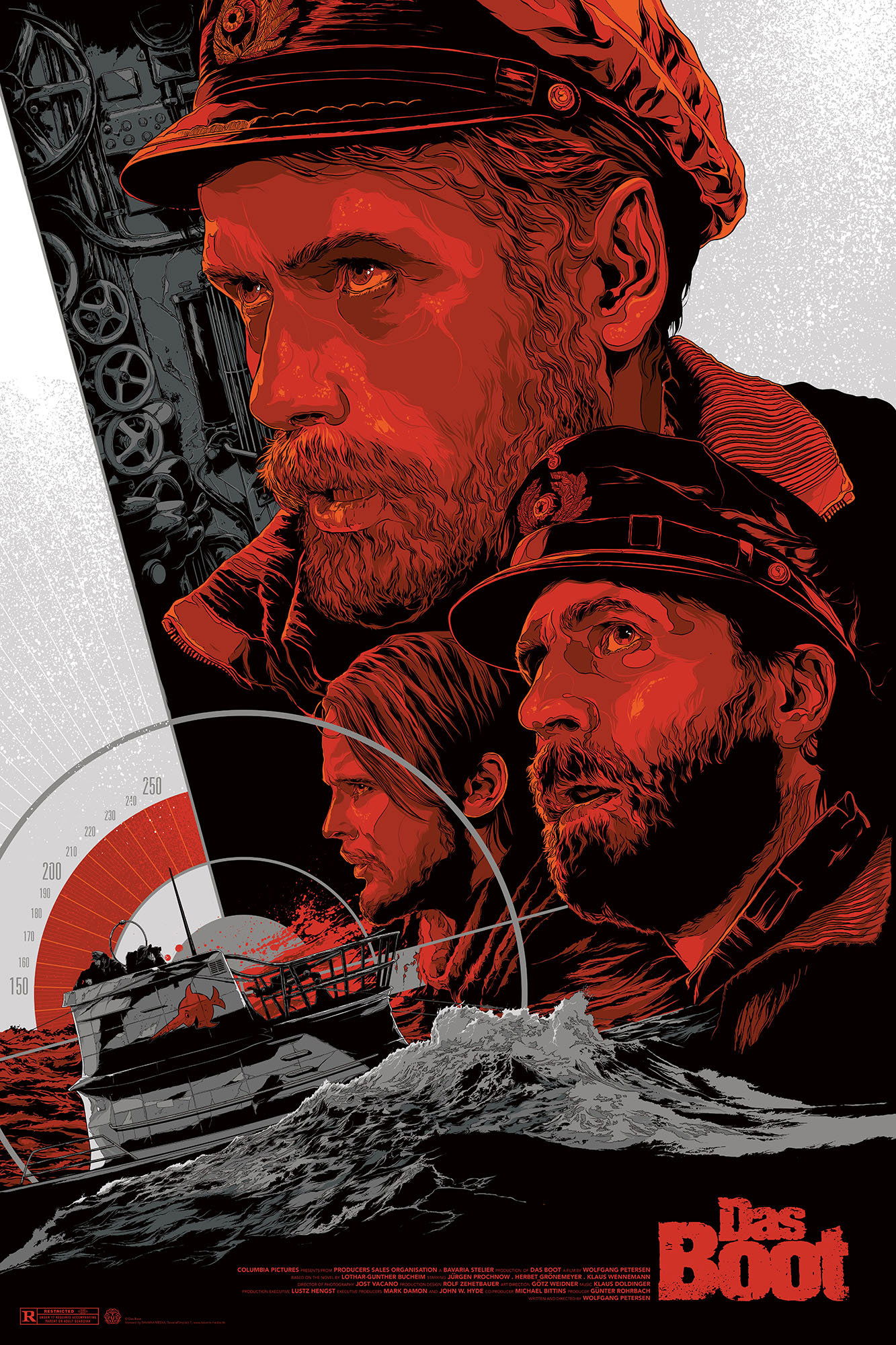
Overall Critical Reception
I’ll never forget my first encounter with “Das Boot”. From the outset, the film felt nothing like the standard war epics that earned nods and polite applause at awards shows. Instead, it hit critics and me with a relentless intensity and a claustrophobic realism that still reverberates in the way war dramas are discussed. Back when it premiered in 1981, the critical response was, in many circles, one of genuine awe, tempered only by the discomfort the film’s subject matter seemed to inspire. Mainstream reviewers at the time immediately signaled that this was a new breed of war film—one where tension, fear, and exhaustion eclipsed heroics or easy morality. I remember noticing that critics from major newspapers and film journals seemed almost startled by the director’s commitment to authenticity, particularly in recreating the suffocating interior of a German U-boat during World War II. The film wasn’t discussed just as another tale of battle, but as a nerve-shredding experience rivaling what I’d seen from the likes of Sidney Lumet or Francis Ford Coppola.
As years went by, I saw “Das Boot” not only maintain its critical luster but expand its reach; retrospectives routinely listed it among the finest war movies ever made. With the release of extended and director’s cuts, I noticed critics were eager to dig even deeper into its achievements, often remarking how each new version enhanced rather than diminished their respect for the work. There was little sign of critical reappraisal leading to any sort of backlash or diminishing returns. Instead, reviewers who returned to it decades later often placed it in the upper echelon of international cinema. To me, this kind of staying power is not typical for films that are both technically ambitious and emotionally draining. The consensus I gathered, from published think pieces to festival panel discussions, always spotlighted the uncompromising vision and skilled direction. While a handful of critics noted its unremitting darkness, overall, the response was consistently admiring, with “Das Boot” earning a unique distinction: an artful and suspenseful portrait that’s also almost punishing in its realism.
Major Film Rating Platforms
- IMDb – As I routinely check IMDb’s community-generated ratings on classic films, I’ve noticed that “Das Boot” sits comfortably in the upper stratum of user-scored titles. It isn’t just the raw score that grabs my attention—it’s the sheer volume of ratings and the even distribution of user votes over many years. This pattern tells me that viewers don’t just stumble upon the film in passing; they’re drawn to it with intent, bringing a certain reverence and readiness for a harrowing experience. The overwhelming majority of reviews favor high ratings, which suggests to me that the film’s power and craftsmanship hold up even for new generations. When I examine the written user reviews, I rarely find regrettable polarization; most opinions cluster firmly in the “this is essential cinema” zone, rather than treating it as a cult favorite with a niche following. The only faint signs of relative negativity tend to revolve around the film’s length or intensity, not its underlying quality.
- Rotten Tomatoes – When I reflect on assessment patterns at Rotten Tomatoes, I’m always particularly alert for the interplay between critic consensus and audience feedback. For “Das Boot”, the critical consensus has consistently skewed high—well into the “Certified Fresh” territory. Critics, in my reading, almost universally champion its achievement, noting precision, suspense, and emotional realism as recurring strengths. The audience score, interestingly, has generally aligned with this professional praise. In some prominent cases, I have even seen the audience rating inch marginally above the critic average, signalling that the film’s impact doesn’t require academic credentials to appreciate. That rare alignment between professional and general audience perceptions hints at something special—a resonance that isn’t confined by language, time, or even the complexities of its historical setting. In short, “Das Boot” bridges a gap that most challenging foreign films rarely cross.
- Metacritic – Aggregated review platforms like Metacritic tend to reinforce my impression that “Das Boot” commands broad, not just niche, respect. Its composite score (which draws from leading publications and prominent critics) lands well above average for international films of its era. As I navigate review breakdowns and delve into summary blurbs, I rarely find the kind of divisiveness that plagues other war movies with political undertones. Instead, the prevailing Metacritic impression is one of almost unqualified endorsement. The film is cited over and over for its technical accomplishment, emotional grip, and suspense, with very little space wasted on complaints about dated techniques or unrelatable subject matter. This aggregation reliably supports my own view: that “Das Boot” holds up remarkably well even when judged by evolving critical standards.
Audience Response and Popular Opinion
Reflecting on my long personal immersion in classic film forums, screenings, and anecdotal conversations, I find “Das Boot” occupies a fascinating space in popular opinion. Initial audience reaction in 1981, judging by anecdotes and letters to the editor I’ve read in old magazine archives, was one of stunned respect rather than wild enthusiasm. Many viewers were reportedly overwhelmed by the relentless tension and bleakness, yet walked away deeply impressed by how gripping and immersive the cinematic experience was. Over time, however, I’ve noticed the film shed any vestiges of hesitation on the part of mainstream audiences.
Modern audience discussion, especially in online communities and social media groups I frequent, is overwhelmingly positive. I regularly see the film recommended as essential viewing for anyone interested in war cinema, even by those who typically shy away from lengthy or subtitle-heavy films. It’s quite rare, in my experience, to encounter a “Das Boot” detractor. Where some films require a certain cultural or historical background to gain traction among non-specialists, “Das Boot” appears to transcend these barriers. General moviegoers, students, and even casual history fans routinely find themselves riveted, a testament to the film’s ability to translate its atmospherics and emotion across languages and generations.
Of course, some remarks from audience members—especially first-time viewers unfamiliar with the language or director Wolfgang Petersen’s style—do occasionally cite fatigue from the film’s sustained claustrophobia and despair. Yet, in my observations, such reactions rarely descend into outright negativity. Instead, they form more of a respectful caveat than a serious detraction. In revealing this film to friends and readers, I’ve seen the predominant response evolve from cautious curiosity to sincere admiration. Rewatches and director’s cut releases have fueled a new wave of devotion, with long-standing fans appreciating the restoration of cut material and new viewers marveling at how immersive ‘old-fashioned’ filmmaking could feel compared to modern blockbusters.
Points of Praise
- Unmatched Technical Realism – Every critic and cinephile I know seems to agree that the technical achievements in “Das Boot” set a new benchmark for authenticity in war cinema. For me, the cramped set, handheld camerawork, and attention to ambient detail foster a realism that isn’t just eye-catching, but deeply visceral. Critics at the time (and today) praised these choices, noting how they make the audience physically and psychologically feel the pressure of submarine warfare. I found that this approach drew universal acclaim, with reviewers highlighting the life-like sweat, grime, and suffocating close-quarters—rarely achieved in previous genre offerings.
- Sustained Suspense and Atmosphere – I’ve long admired how “Das Boot” maintains extraordinary tension from its very first frame to the last. This sense of inexorable dread is something reviewers frequently cite as the film’s most potent weapon. Unlike so many war movies that rely on quick bursts of violence or sentimental interludes, Petersen’s direction creates a near-unbroken sequence of suspense, broken only by brief respites that serve to heighten the next crisis. In my own view, this is why the film impels such engrossed attention and why it’s so often described in the language of thrillers rather than just historical dramas.
- Nuanced Performances – Across countless reviews and audience impressions, the acting ensemble—especially the iconic performance by Jürgen Prochnow—receives tremendous recognition. I, too, was struck by how every actor, from principles to smaller roles, delivered understated, emotionally layered work. Critics frequently commented on how these performances transcend national lines, enabling audiences worldwide to connect with the characters’ exhaustion, terror, and fleeting joys. The generally unflashy acting style proved to me that authenticity sometimes speaks louder than dramatic flourishes, especially in a context as contained as a submarine interior.
Points of Criticism
- Overwhelming Length – I’ve listened to and read enough feedback to know that the film’s running time is a recurrent sticking point, especially for audiences with shorter attention spans. The original theatrical release already demanded patience, and extended cuts only heightened this. Critics who had any reservations almost always cited narrative bloat or the temptation to “pad” certain tense stretches. In my own screenings with friends, I’ve noticed that the slow build-up and saga-like pacing can provoke restlessness, even among attentive viewers.
- Emotional Relentlessness – While I consider the film’s suffocating atmosphere a strength, some viewers—critics included—found this very quality to be exhausting or dispiriting. Instead of catharsis or relief, “Das Boot” offers a grinding emotional journey with little respite. I’ve found that even seasoned cinephiles sometimes express the desire for more tonal variety or a modicum of narrative hope. Phrases like “emotionally punishing” or “unyieldingly bleak” pop up in reviews, and I sympathize with those who want at least some breathing room amid the tension.
- Historical and Cultural Distance – Despite its universal acclaim, I have detected that for some critics and viewers, the film’s focus on German submariners in WWII prompts mixed feelings, especially among audiences less familiar with European history or hesitant about empathizing with Axis combatants. This challenge has resulted in a few critical essays and audience comments pointing out their inability to “connect” as deeply as one might with Allied war stories. While I personally find the film’s perspective fascinating, there’s no ignoring this low but persistent thread in audience reactions.
How Reception Has Changed Over Time
My journey through decades of film discussion, reviews, and criticism has clearly shown that “Das Boot” has only grown in stature. What fascinates me most is how the film has sidestepped so many pitfalls that can erode a classic’s reputation—dated effects, shifts in social attitude, or shifts in cinematic taste. Each re-release and director’s cut has been greeted with a fresh surge of enthusiasm, and retrospectives rarely omit it from their rankings of the best films about war. In fact, whenever war cinema classics are reevaluated for modern sensibilities, “Das Boot” fares better than most. Its influence is acknowledged by directors, critics, and cinephiles alike who routinely cite it as a direct inspiration or, at minimum, a high-water mark for immersive, realistic filmmaking.
I see very little evidence of backlash, reappraisal, or controversy eroding its reputation. If anything, the accessibility of high-quality home releases has helped cement its position among younger viewers and international audiences unfamiliar with earlier, truncated versions. The bridge between critical acclaim and popular appreciation hasn’t narrowed; it’s widened, especially as the film becomes a staple of streaming catalogs and war film marathons. For me, this trend spells out a rare and enduring feat in cinema: “Das Boot” continues to be discovered, championed, and revered by critics and audiences, with its bold style and craftsmanship drawing as much admiration today as when it plunged into theaters more than forty years ago.
To go beyond scores and understand what shaped these reactions, background and interpretation can help.
🎬 Check out today's best-selling movies on Amazon!
View Deals on Amazon