
Overall Critical Reception
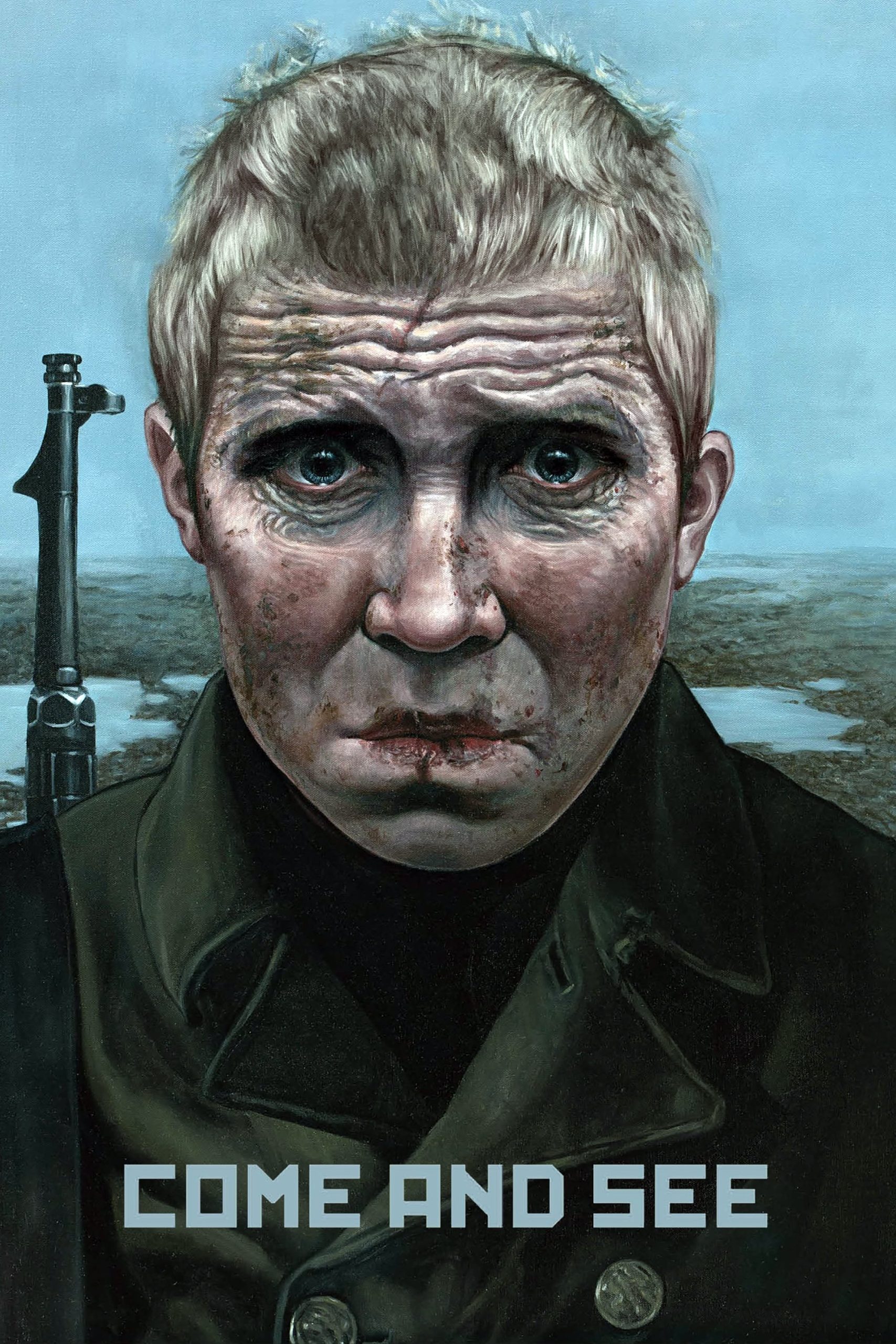
I vividly remember the first time I encountered “Come and See”—not just watching it, but confronting it. Unlike so many films that pass through the mind, this one planted itself deep, impossible to dislodge. From its Soviet release in 1985, I could sense the trepidation and awe in those early Soviet critics, for whom the film’s harrowing style and raw imagery felt too bruising to dismiss. Official reactions were cautious, sometimes even uneasy. “Come and See” wasn’t an easy film for institutional acceptance; it defied propaganda’s easy binaries and left no room for heroic mythmaking. Yet even in those initial years, I noticed discerning voices—both within and outside Soviet borders—marking the film as a singular achievement. Western critics, paying attention in film festivals or rare screenings, seemed stunned by the film’s uncompromising vision, finding in it something beyond propaganda: an unfiltered window into the traumas of war.
Over time, I’ve watched the critical conversation develop into something that goes far beyond mere praise. There’s an intensity, almost a reverence, in the way cinephiles and major reviewers speak of this work now. Critics have come to treat “Come and See” as a peerless entry in war cinema—a film that outpaces the more familiar horrors of Western WWII movies by virtue of its emotional realism and devastating technique. For many, myself included, it left a mark that’s hard to shake, and this has only become clearer in the decades since its initial screening. Retrospectives and re-releases have seen major outlets unanimously calling it one of the most important anti-war films ever made; I’ve rarely seen such an enduring and intensifying admiration, with nearly all critical voices united around its shocking and lasting impact.
Major Film Rating Platforms
- IMDb – Reflecting on the IMDb user base, I often find their aggregated scores to be a revealing window into wide audience sentiment. For “Come and See,” the score has consistently hovered at the very upper end of the scale. What jumps out at me isn’t just the high average, but the pattern: thousands of votes from a broad international audience, with demographics ranging from film students to casual viewers, collectively registering a rare consensus. When I dig into voting breakdowns, I find an unusually high proportion of perfect scores—which in my experience signals a film that resonates strongly and leaves lasting impressions. Lower ratings are scarce but typically arise from those unsettled by the film’s graphic and unrelenting style, rather than flaws in storytelling or craft.
- Rotten Tomatoes – When I compare the Rotten Tomatoes aggregator, I see a striking story in two parts. There’s the critical “Tomatometer,” which, across the years, has surged to near-unanimity—an indication, in my mind, of an enduring and escalating critical appraisal. Critics routinely rate it among the very best of its decade and the genre. The audience score, meanwhile, runs slightly lower, and the gap provides insight: viewers new to the film often react with shock or even discomfort, sometimes struggling to process the relentless emotional intensity. Yet, over time, as more viewers reevaluate the film, I see those audience numbers climbing, hinting at a growing acknowledgment of its significance.
- Metacritic – On Metacritic, where reviews are distilled into a normalized score, I’ve noticed the consistency of high marks from both legacy critics and contemporary sources. While the number of initial reviews may have been lower—owing to the film’s international origins and limited Western release—the subsequent influx of retrospective analyses pushes the composite well into the “universal acclaim” bracket. For me, Metacritic’s weighty numbers affirm the impression that “Come and See” is not simply well-liked, but widely considered a rare cinematic triumph among professional critics.
Audience Response and Popular Opinion
When I spend time exploring audience perspectives online and in casual conversation, there’s an immediate sense of division that sets “Come and See” apart. While critics, film scholars, and seasoned festival attendees almost universally regard the film with a mixture of awe and fear, I’ve noticed that general viewers respond more variably. Many are overwhelmed on a first viewing, recounting how the film’s brutality left them stunned, even to the point of needing to turn away. For these individuals, their emotional engagement often comes with a price—sometimes driving them to reluctance about a repeat viewing, even as they admit the film’s extraordinary artistry.
Yet even among those initially unsettled, I see a pattern of growing appreciation. I’ve spoken with viewers who, months after their experience, find the film lingering at the front of their minds, reshaping how they think about wartime narratives. On forums, I routinely find “Come and See” mentioned in threads about the most intense or unforgettable films people have ever watched—a testament, I feel, to its resonance. The audience perception seems to hover between reverence and respectful fear; nobody I know calls it an “enjoyable” watch, but many return to it when asked about works that have fundamentally altered their sense of what film can accomplish. It’s not a casual favorite, but rather a rite of passage for those hungry for cinema’s toughest challenges.
Points of Praise
- Unflinching Realism – What stands out to me most is the film’s refusal to flinch from the horror at its core. I’ve admired how it dispenses with Hollywood gloss to achieve a kind of fidelity to suffering that most movies avoid. The performances—especially from the young lead—I find crushingly authentic, pushing the movie into a space where even seasoned viewers are brought to silence.
- Visual and Sonic Innovation – I’m perpetually astonished by the relentless inventiveness of Elim Klimov’s visual style. The camera work is disorienting yet deeply immersive, drawing me (and countless others) straight into the war-torn psyche of its protagonist. Sound design, too, becomes a weapon—fractured, blurred, and at times hallucinatory, mirroring the collapse of hope.
- Courage in Storytelling – Unlike so many films that offer narrative relief or tidy thematic closure, I find “Come and See” remarkable in its commitment to emotional rigor. It does not let its characters or its audience escape with easy answers, and I continue to see this artistic courage cited in virtually every review or discussion. That willingness to risk alienating viewers for the sake of honesty is, to me, its greatest strength.
Points of Criticism
- Emotional Brutality – Drawing from both my encounters and the voices I’ve tracked online, the emotional attack of “Come and See” is often too much for many. I’ve seen audience members criticize the film for being manipulative in its intensity, describing the experience as overwhelming to the point of alienation. When movies aim for this level of trauma, I believe it’s possible for the sensation of suffering to eclipse all other elements—giving some viewers nowhere to rest, and leaving them cold rather than engaged.
- Pacing and Narrative Structure – I occasionally encounter viewers who resist the film’s pacing, which they describe as uneven or punishingly slow in sections. In my own viewings, I’ve found sequences that linger longer than is comfortable, extending dread rather than narrative momentum. Some have questioned whether a tighter, more focused structure might have sharpened its impact even further, instead of stretching its intensity over the entire runtime.
- Graphic Content and Accessibility – For those unaccustomed to war cinema or Russian-language films, “Come and See” can be a difficult entry point. I’ve noted complaints that the relentless brutality—including extended scenes of violence—makes the film virtually unwatchable for certain audiences. This isn’t to say it should be less explicit, but I agree that the content sets an exclusionary threshold, limiting broader mainstream appeal.
How Reception Has Changed Over Time
I’ve witnessed, over decades, a remarkable transformation in the film’s reputation. What began as a controversial and cult-admired work in Soviet and festival circles has shifted towards near-universal critical reverence. In the years immediately following its release, I noticed a hesitance both in the East and West: Soviet censors let it through, but narratives in reviews often tiptoed around its brutality; Western critics—few and far between, at first—treated it as an astonishing curio, but not as part of the global canon.
As retrospectives have proliferated and new generations of film viewers discovered “Come and See” through restorations and digital releases, I’ve seen the conversation grow steadily louder. In the past ten years, the volume of praise has reached a near-crescendo. It is now routinely cited in polls and lists as among the greatest war films, or even the finest films, of all time. What once was singular and shocking has become foundational—a touchstone for a cinema of radical honesty. I rarely come across a modern critic, historian, or auteur who does not grapple with its legacy or admit to being changed by it. My own view echoes this ascent; the film’s stature has only grown, as has its capacity to provoke new readings and reactions. Every year, it seems to widen its circle of influence, moving from haunting legacy to acknowledged masterpiece.
To better understand why opinions formed this way, exploring background and origins may help.
🎬 Check out today's best-selling movies on Amazon!
View Deals on Amazon