
Overall Critical Reception
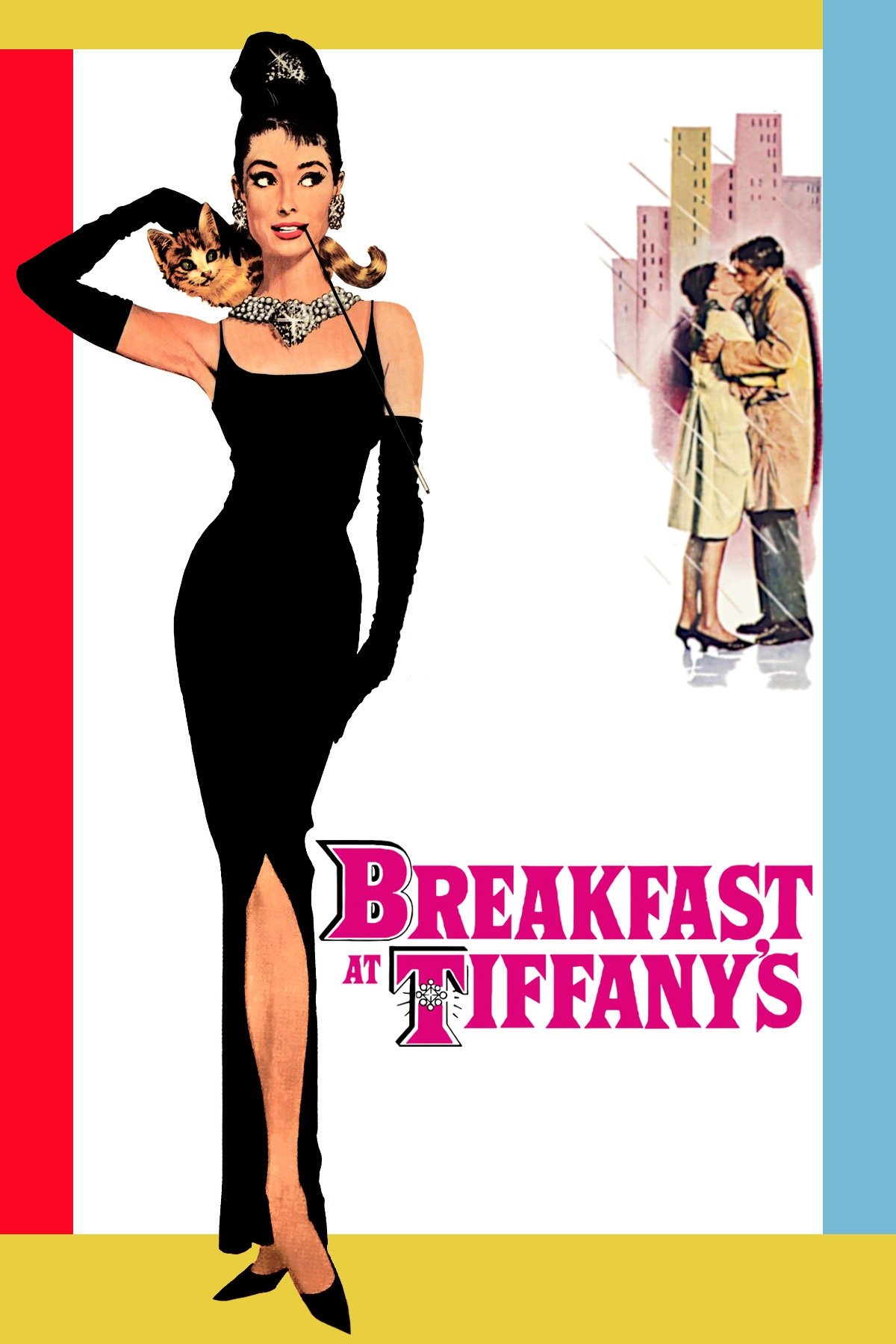
My first exposure to “Breakfast at Tiffany’s” happened during a late-night cable marathon. I can still recall how the film felt like a confection, but the way I perceived its critical standing was more textured and layered than its surface glitz suggested. At the time of its debut in 1961, critics seemed dazzled by Audrey Hepburn’s performance—her embodiment of Holly Golightly looked tailor-made for adulation. Reviewers from leading newspapers lavished praise on her presence, remarking on the balance of wit, vulnerability, and style she brought to the screen. There was a distinct enthusiasm in those initial reviews: I’ve noticed how critics lauded the visual flair and urban chic, making sense of its place alongside other sophisticated comedies of the decade. However, there was hesitance in some quarters. I’ve seen early reactions that took issue with the diluting of Truman Capote’s original tone, with some grumbling that the romanticization went too far at the expense of grit and realism.
Years later, whenever I sift through retrospectives or reappraisals, I get the sense that “Breakfast at Tiffany’s” never quite left center stage. Modern film writers often circle back to it, dissecting the interplay between nostalgia and critical reassessment. I find that many critics today reexamine the casting choices, the adaptation from novel to screen, and especially the infamous performances that have become lightning rods for discussion. Its place in the canon of romantic comedies is rarely challenged—reviews often give Hepburn’s portrayal almost mythic status—but there’s more ambivalence about some aspects that no longer align with contemporary tastes. Over time, this has created two distinct waves of reception: one unabashedly celebratory, the other more nuanced and reflective, especially as conversations around representation and authenticity gain momentum. My own observation is that few films balance adoration and scrutiny on quite this scale.
Major Film Rating Platforms
- IMDb – I’m always curious to see how mass audiences weigh in, and on IMDb, “Breakfast at Tiffany’s” consistently draws strong aggregate scores that hover in the upper bracket, signaling broad affection. Most rating breakdowns suggest that viewers tend to skew positive—the median usually sits in the higher half, and there is a large vote count, which reinforces its enduring popularity. I’ve noticed, however, that younger viewers or those new to the film sometimes offer more polarized ratings, especially after encountering some of the film’s more dated content. This spread doesn’t significantly drag the averages down, but it hints at shifting generational divides in how charm and controversy are processed. The steady accumulation of high ratings reflects long-term mainstream appreciation, but also a healthy dose of critical reexamination among recent users.
- Rotten Tomatoes – On Rotten Tomatoes, I’m struck by the distinction between the “Tomatometer” (critic reviews) and audience ratings. The critical consensus remains robust, indicating that most established reviewers endorse the film’s enduring strengths—Hepburn’s iconic performance and the film’s artistic polish are recurring points of acclaim. Audience scores track closely, though not always perfectly, suggesting that nostalgia plays a large role in user reviews. I often see remarks that amplify the film’s stylish appeal or comedic lightness. Yet, during certain anniversary re-releases or cultural flashpoints, the audience reception can be more split, with contemporary viewers flagging problematic elements that critics of earlier decades overlooked. From my perspective, Rotten Tomatoes’ parallel scoring exposes the tension between what critics have historically celebrated and what contemporary audiences notice anew.
- Metacritic – When I look at Metacritic, I tend to see a consolidation of critical opinion that lands the film in a solidly favorable zone, but without the kind of unanimous reverence some other classics enjoy. This aggregation method—relying on weighted scores from prominent critics—aggregates more modern assessments alongside older reviews, creating a nuanced composite. As I read Metacritic’s summaries and reviewer snippets, I get the impression that recognition of the film’s artistry and Hepburn’s performance is near-universal, but so is acknowledgment of certain shortcomings. For me, Metacritic neatly encapsulates the way critical consensus can age: initial raves are tempered by modern-day context, resulting in scores that remain high, but not without meaningful caveats.
Audience Response and Popular Opinion
I remember my own first viewing as an audience member—I was swept up by the visual glamour and magnetic charm of Audrey Hepburn, which mirrors why so many viewers respond so favorably. Over the decades, I’ve found that “Breakfast at Tiffany’s” has become a rite of passage for classic cinema lovers and casual viewers alike, often cited as a quintessential romantic comedy experience. Friends and colleagues who watched it for the first time echoed the sentiment: there is an infectious delight in the elegance, and the film’s lighter moments resonate widely. Fans often praise the film for its memorable style and unforgettable soundtrack; it delivers a sense of escapist joy that appeals across generations.
Still, in my conversations and reviews of audience commentary, it is clear that reactions are growing more complex. Some newer viewers express discomfort with character choices, narrative simplifications, and depictions that no longer align with modern values. This leads to spirited debate and a noticeable uptick in mixed ratings, especially as social awareness grows. But even here, the affection for Hepburn’s performance and the film’s “feel-good” pedigree is remarkably resilient. I see a strong divide: while many find themselves charmed and entertained, others struggle with aspects that feel anachronistic. The result is a reception landscape that’s warm and enthusiastic, but increasingly accompanied by nuanced, even conflicted, user reflections.
Points of Praise
- Strength 1 – For me, the sheer allure of Audrey Hepburn in the lead role is nothing short of captivating. Every time I return to “Breakfast at Tiffany’s,” her performance unlocks yet another facet of Holly Golightly—witty, elusive, vulnerable, and endlessly stylish. Critics across generations land on this as the film’s defining strength; her impact shapes the memory of the film, and I think it’s impossible to imagine the same level of allure with anyone else in the role. Her fashion choices, line delivery, and emotional subtlety are mentioned in almost every paper, profile, and retrospective I’ve consulted.
- Strength 2 – The film’s production design and cityscape atmosphere are a personal highlight. I am consistently struck by the elegant visuals—the lush apartments, stylish costuming, evocative use of New York street scenes. This sense of place and time comes up repeatedly in positive reviews, creating an immersive world that feels both aspirational and charmingly artificial. I find this craftsmanship contributes immensely to its status as a cultural touchstone, especially among those drawn to mid-century modern aesthetics.
- Strength 3 – The musical score, particularly “Moon River,” is singled out in nearly every discussion I’ve encountered, and I share the critical consensus that it’s essential to the film’s emotional resonance. The theme subtly underscores Holly’s inner life, and for me, it’s a linchpin that holds the story’s lighter and darker moments together. Critics consistently refer to it as one of cinema’s most memorable collaborations between music and storytelling, and personally, I can’t imagine the film without it.
Points of Criticism
- Criticism 1 – The portrayal of Mr. Yunioshi has become the most frequently cited point of discomfort, and in my experience, it’s impossible to recommend the film without flagging this issue. I’ve read many modern criticisms describing the role as a glaring example of Hollywood’s legacy of racial stereotyping, and I share the view that Mickey Rooney’s broad caricature is deeply jarring by today’s standards. Even many earlier critics who overlooked it at the time have since acknowledged it as a glaring flaw.
- Criticism 2 – I find the adaptation’s softening of Capote’s more subversive literary tone to be a recurring complaint among critics and viewers who value the original novella. There’s a particular frustration about how the film leans into romanticized tropes, trimming away complexity in favor of crowd-pleasing appeal. As someone who admires literary adaptations that retain a sharp edge, I’m often left wishing the film had preserved a bit more nuance from its source material.
- Criticism 3 – A subtler but persistent critique I encounter—and share myself—is about certain character arcs and plot elements that feel too neatly resolved. Critics and discerning viewers have called out the way relationships are tidied up at the story’s conclusion, which can undercut the ambiguity and depth that Capote intended. For those of us drawn to messier, less predictable storytelling, the film’s embrace of happy endings feels like a missed opportunity for greater complexity.
How Reception Has Changed Over Time
Over a lifetime of film viewing and writing, I’ve watched “Breakfast at Tiffany’s” evolve in the public eye—from a sparkling, untouchable classic to an object of careful appraisal and debate. In its early decades, glowing reviews rarely included caveats, and its critical status seemed unassailable. The proliferation of home video, cable, and ultimately digital streaming brought the film to ever-wider audiences, reinforcing its iconic status and building an almost mythological reputation for Hepburn’s performance. For years, I saw only reverence; top ten lists and “best of” retrospectives routinely highlighted it as a paragon of style and charm.
However, with the rise of social media, online reviewing, and increased awareness of issues around representation, the conversation took on new layers. More viewers and critics began flagging problematic content—most notably, the film’s handling of racial caricature—and broadening the discussion about what enduring classics owe their audiences. The adoration for style and star power persists, but the critical tone is more moderated; I witness far more essays, podcasts, and video essays balancing warm nostalgia with pointed critique.
Today, I believe the film’s reputation is neither wholly diminished nor as uniformly glowing as in decades past. Instead, I see an ongoing dialogue that treats “Breakfast at Tiffany’s” as both a beloved artifact and a complex text. It remains high on recommendation lists and retrospectives, but contemporary discussions are incomplete without referencing its limitations and blind spots. My own journey mirrors this broader trend: I continue to admire its artistry and delight in Hepburn’s performance while recognizing the importance of engaging critically with all aspects of its legacy. The result is a film that has not simply faded or been replaced but has grown more intricate in reputation—an object of ongoing fascination rather than a static icon.
To go beyond scores and understand what shaped these reactions, background and interpretation can help.
🎬 Check out today's best-selling movies on Amazon!
View Deals on Amazon