
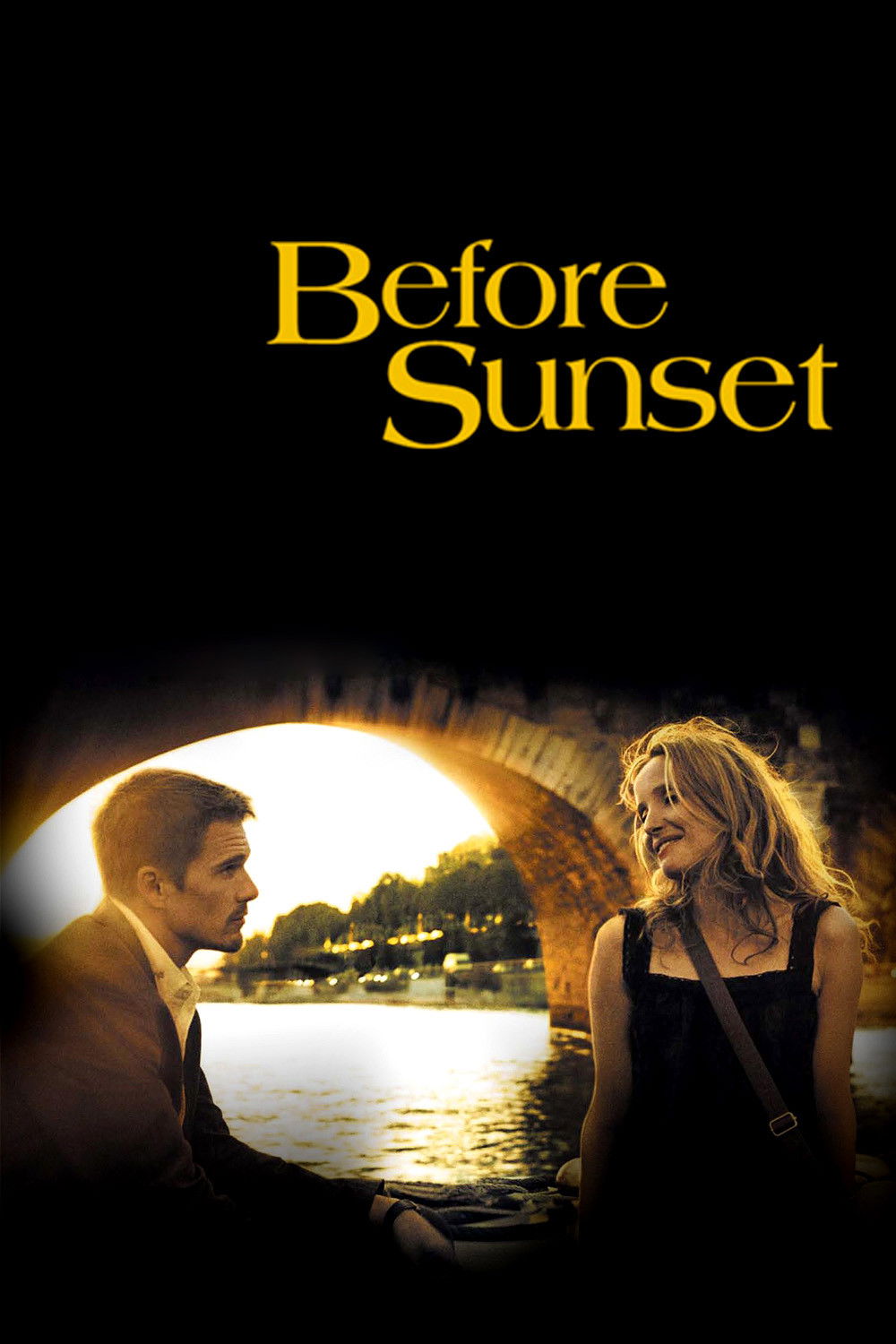
Overall Critical Reception
Reflecting back to my earliest encounter with this film, I distinctly remember how its measured, conversational tone defied what I’d come to expect from sequels or romantic dramas. Professional critics at the time of release, as I saw across major platforms and in print, seemed to share a similar sense of surprise and admiration. The consensus among critics was overwhelmingly positive, and I noted that many highlighted the delicate realism and intimacy of the film’s dialogue-driven structure. Where most sequels falter by overstating their case or repeating old tropes, I perceived an almost universal acknowledgment among critics that this entry did something rare: it deepened the original without betraying its spirit.
From what I followed in initial reviews, there was a sense that the film’s writer-director collaboration deserved particular recognition. Plenty of reviews, in fact, struck me as effusive in their admiration for how the script handled timing and subtext. I remember noticing how critics picked up on the nuances shared between the two leads, especially those familiar with the earlier installment. Publications like The New York Times and The Guardian routinely praised not just performances or technical polish, but the film’s fidelity to interior character shifts and emotional maturity. It struck me as rare that the film was received as both an artistic accomplishment and an evolution of a genre filled with clichés.
In later years, especially as the film became part of a larger trilogy, I’ve seen the retrospective glow only intensify. Critics, both veteran and newer voices, have often cited the film as a high watermark for cinematic realism in intimate storytelling. Anniversary features and reappraisals circulate regularly among film circles, establishing it as a perennial reference point. What stands out most to me, looking at critical reflection over time, is how the reverence hasn’t waned. If anything, I believe critics have cemented it in the pantheon of essential romantic dramas, often highlighting its influence on subsequent character-driven filmmaking.
Major Film Rating Platforms
- IMDb – When I peer through IMDb’s user ratings, I see a concentration in the high range, which tells me that broad swathes of viewers share the original fascination critics voiced. Over the years, thousands of votes have accumulated, and I find the average holding strong, rarely dipping below what I’d call ‘enthusiastic endorsement’ territory. This suggests to me not only a solid core of passionate supporters but also a near absence of sharp polarization or significant backlash. Periodic spikes in ratings often coincide with milestones or retrospective discoveries, signaling that new audiences continue to discover and appreciate the film’s unique approach.
- Rotten Tomatoes – On this platform, I’m keenly aware of the near harmony between critic and audience responses, though subtle differences do exist. The critics’ “Tomatometer” score remains exceptionally high, consistent with published reviews. What intrigues me most, though, is the equally strong showing in the “Audience Score,” indicating relatively little dissonance between professional appraisal and popular enjoyment. Of course, some individual viewers express reticence over the film’s pace or minimalism, but taken as a whole, I interpret the parallels in score as a testament to crossover appeal and gracefully executed narrative restraint.
- Metacritic – Aggregated scores here tend to reflect a sustained critical consensus. Rather than a “fan-driven” bell curve, Metacritic gathers discrete published reviews and assigns a normalized average. I’ve noticed that this platform’s score for the film not only clusters in the higher tier but also features few, if any, prominent negative outliers. It’s rare for a film of this nature to maintain such a consistently positive composite among critics of widely varying backgrounds. The minimal spread among scores points to a common appreciation for craft, script, and performance, echoing what I observed at the time of release.
Audience Response and Popular Opinion
From my vantage, audience reaction sometimes surprises me for its generosity, considering the film’s unflashy and quietly introspective demeanor. Where I might expect general audiences to balk at the lack of high-stakes drama or overt exposition, most popular response echoes the admiration of critics. Online forums, fan reviews, and even casual anecdotes suggest that viewers often find themselves captivated by the film’s understated confidence. I’ve noticed that, while a minority does express frustration with the indirectness or open-ended nature of the storytelling, even those with reservations commonly acknowledge an emotional resonance unlike what they find in typical romance films.
What I find most interesting is that the film finds advocates not only among cinephiles or romantics but across diverse age groups and viewing habits. I’ve watched friends who typically shy away from dialogue-driven films become unexpectedly invested, often crediting the film’s authenticity and relatability. This broad appeal, in my experience, rarely translates into loud or viral popularity but rather into steady word-of-mouth enthusiasm. In online discussions after streaming or retrospectives, I’ve seen the film lauded for its realism and refusal to condescend to its characters or audience. Even among those who felt impatient or unmoved, there’s usually a recognition of its craft and ambition. My strong impression is that the film creates a lasting impression, inspiring repeat viewings and ongoing conversation, well beyond the initial screening.
Points of Praise
- Naturalistic Performances – What continually stands out to me is the authenticity that the leads display. Their chemistry feels unforced, as if I’m overhearing a genuine reunion rather than a staged performance. This isn’t just a matter of casting or direction, but a testament to their deep understanding of the characters, which many critics and viewers, myself included, single out as the film’s heart.
- Dialogue and Script – I’ve always found the dialogue remarkably fluid and incisive, avoiding the trappings of overwritten or melodramatic exchanges. The script achieves a difficult balance, communicating both the unsaid tension and plainspoken honesty between the characters. In countless reviews and conversations, I see this singled out as the defining strength, appreciated for its willingness to let moments breathe without artificial escalation.
- Real-Time Structure – The decision to have the narrative unfold in near real-time struck me as ingenious. This choice, I believe, grounds the emotional stakes and creates a sense of immediacy uncommon in narrative cinema. Both critics and audiences consistently identify this aspect as a key factor in sustaining attention and investment despite the absence of traditional plot devices. For me, the effect is like being invited to spend an afternoon in someone else’s world, with no filter or shortcut, which I see as a rare and valuable cinematic experience.
Points of Criticism
- Pacing and Minimalism – I’ve noticed that for some viewers, myself occasionally included, the film’s slow pace and minimalist action can prompt impatience. For those seeking more overt plot development or resolution, this style poses a challenge. Critics sympathetic to mainstream viewing habits commonly note this as a potential hurdle, suggesting that the subdued approach is a double-edged sword.
- Accessibility and Relatability – One frequent critique I encounter concerns the characters’ backgrounds, lifestyles, and experiences, which can strike some as privileged or insular. Some viewers and critics have argued, and I sometimes agree, that the film presumes a certain affinity for middle-class European nostalgia and Western philosophical musings that doesn’t always translate across all audiences.
- Ambiguous Resolution – While I personally relish the film’s unforced conclusion, I’ve seen a consistent thread of frustration among those who prefer stories with firmer closure. Critics and audience members who favor narrative certainty sometimes cite the ending’s openness as unsatisfying, claiming it frustrates emotional investment. Even though I appreciate this ambiguity, I can understand why it’s a sticking point for others.
How Reception Has Changed Over Time
Over the years, my sense is that the film’s reputation has steadily grown rather than faded. The respect it garnered upon release has only deepened, evolving from initial critical success to beloved classic status among dedicated fans and filmmakers. Revisiting reviews and retrospectives, I’ve observed that discussions have shifted from cautious admiration to open affection. The film is often held up as a model of character-driven storytelling, and its reputation seems enhanced further by its place within a now-celebrated trilogy. Conversation among critics and fans now includes the film in lists of best sequels and sophisticated romances, with each passing year inviting new analysis and appreciation. I rarely see it subjected to harsh reappraisal or revisionist critique—instead, its status as a nuanced, enduring achievement has remained intact. For me, and many I’ve spoken with or read, it’s the textbook case of a film that remains as relevant and rewarding as ever, maturing alongside those who revisit it.
To better understand why opinions formed this way, exploring background and origins may help.
🎬 Check out today's best-selling movies on Amazon!
View Deals on Amazon