
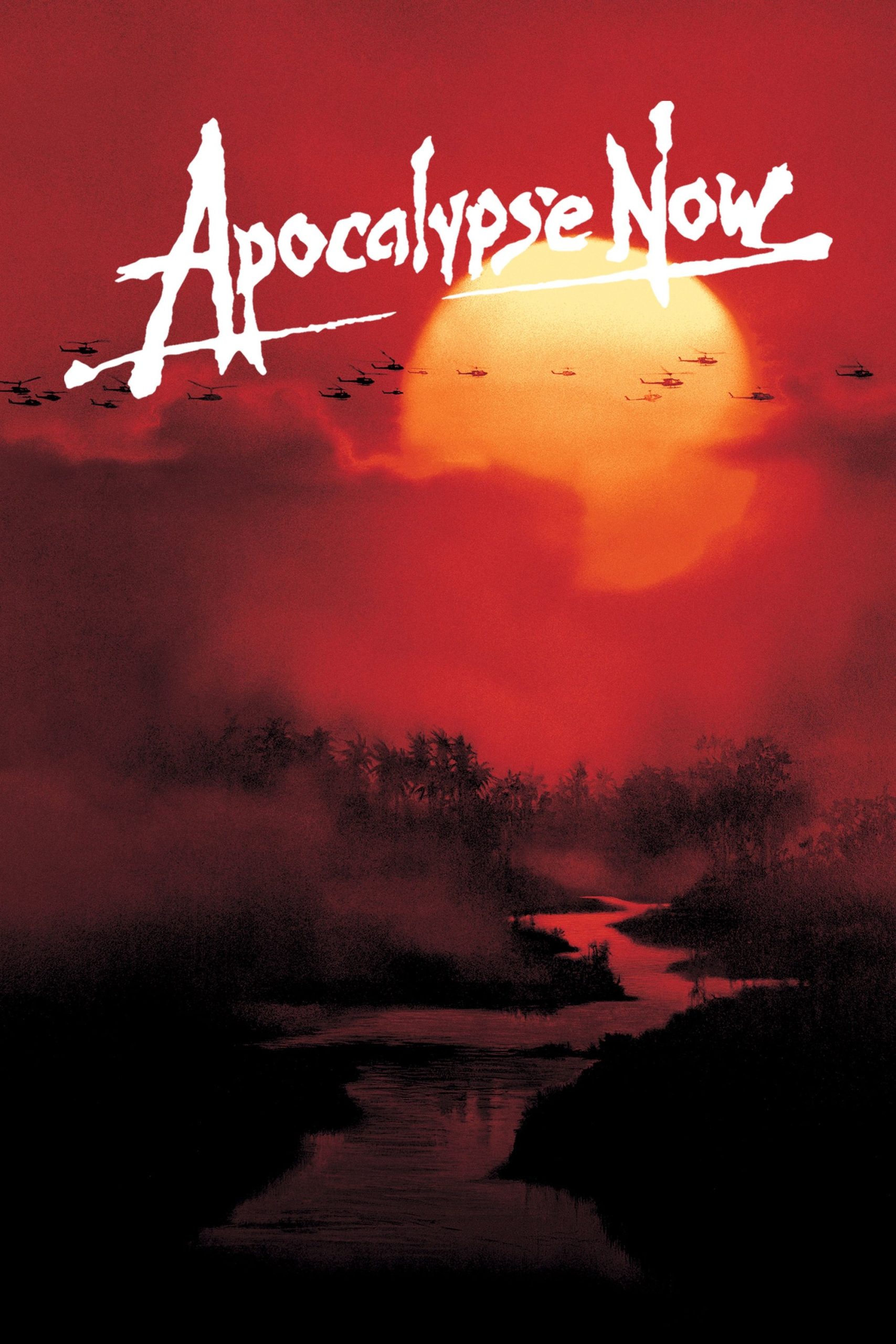
Overall Critical Reception
There’s rarely a critical favorite that feels as monumental the first time I encounter it as Apocalypse Now. When I think back on its initial reception in 1979, I see a film that seemed to divide and dazzle professional critics in equal measure. I’ve always been struck by the polarizing energy that swirled around its debut: some respected publications were breathless, hailing it as an instant masterpiece, while others were openly bewildered or resistant to its unconventional approach. What resonates most with me is how the early commentary gravitated towards the movie’s sensory onslaught and ambition. Several established critics—people whose words I habitually trust—admired its technical bravado and raw audacity, speaking of it as a triumph of film craft and directorial nerve, though their praise was often qualified by observations about narrative clarity and coherence (or lack thereof). Even back then, I noticed reviewers struggling to find the proper balance between awe and confusion, noting the film’s spectacular visuals, sound design, and mood while also echoing concerns about its pacing, opacity, or sometimes oppressive intensity.
As the years wore on, I witnessed a fascinating shift: Apocalypse Now’s reputation didn’t merely endure, it expanded. Rarely does a film undergo such a metamorphosis in critical appraisal. Every major re-release or anniversary has prompted a fresh wave of analysis. Critics who were less enthusiastic at first often came to appreciate its audacity; new generations of writers have linked its influence to changing cinematic sensibilities. I see the commentary now gravitating toward consensus about its lasting influence, its technical innovation, and the singularity of its vision. Today, when looking at rankings or critical retrospectives, I notice the film’s omnipresence on ‘best of’ lists spanning genres and decades. From my vantage, it has become a cornerstone of cannonical cinema, viewed not just as an audacious war film, but a defining achievement for both director and the medium itself. Rarely do I encounter critics anymore who dismiss it outright—most express an almost reverent respect for what Apocalypse Now has come to represent in film culture.
Major Film Rating Platforms
- IMDb – When I browse IMDb’s aggregate ratings for Apocalypse Now, I see a striking consistency in its placement among high-rated films. The score, regularly clocking in at the higher end of the spectrum, reflects both critical and broad audience endorsement; it seems to resist the polarization that often befalls other weighty, slow-burn movies from that era. What always catches my attention is the substantial volume of voter participation across age groups and nationalities. I interpret this as a sign that the film’s reputation translates into genuine, wide-reaching engagement, not just high marks from a niche group. The distribution of ratings often displays a pronounced skew toward the upper echelons—lots of 8s, 9s, and 10s—suggesting that for every outlier who finds the experience alienating, many more embrace its stature as a towering cinematic achievement. The voting patterns also reveal a generational consistency that’s rare: both older users reminiscing from its release era and younger cinephiles recently discovering it seem aligned in their appreciation, which I find personally telling of its ability to transcend cinematic fashions.
- Rotten Tomatoes – My exploration of Rotten Tomatoes paints an interesting dichotomy. For critics’ scores, I see a strongly positive consensus, with a near-unanimous cluster of approving reviews that often cite the film’s technical innovation and bold vision. When I delve into the critical aggregation, words like “epic,” “hallucinatory,” and “mesmeric” dominate, which matches my own reading of the movie’s place. However, I’ve always noticed a subtle divergence between this critical chorus and the audience reaction. While audiences are still broadly positive in aggregate, user reviews sometimes reveal pockets of reservation—more so than with critics. I see comments about pacing, narrative ambiguity, and sheer intensity recurring. This contrast highlights, to me, how the film’s extremes (both in runtime and emotional register) can occasionally alienate casual viewers even as more devoted cinephiles and critics lavish it with sustained acclaim. The difference doesn’t undermine its overall reputation; rather, it underscores a pattern I often see in films that aim for intensity over comfort. The audience score remains high but just enough lower than the critics’ to mark the movie’s singularity.
- Metacritic – My experience navigating Metacritic’s compilation underscores an even more scholarly approach to aggregating critical opinion. Here, I encounter scores drawn from prominent publications, which tend to reinforce the perception of Apocalypse Now as a film respected by serious critics. The aggregated score sits securely in the high range, translating not just to broad approval, but to weighty endorsement by the kind of critics whose assessments are historically influential. What stands out to me is the breadth of outlets included: its favorable ratings span both mainstream and alternative criticism, suggesting a near-uniform recognition of its artistic accomplishment. I appreciate how the Metacritic summaries pull passages emphasizing its technical virtuosity, directing choices, and audacious storytelling—it’s rare to see so little variance across major outlets, even decades after its release. Whenever I compare Metacritic to the more free-form audience ratings, I’m reminded of how critical consensus sometimes operates differently from public taste; here, the film’s standing as a critic’s darling is extraordinarily clear, with few dissenting voices.
Audience Response and Popular Opinion
My impressions of general audience response to Apocalypse Now have always been shaped by a sense of awe mixed with occasional incredulity. Despite its challenging subject matter, measured pace, and epic length, I find the film’s reputation among non-critics to be remarkably solid. While some viewers (especially those not already invested in cinema as an art form) may come away perplexed or fatigued by its relentless mood and elliptical structure, I see the overwhelming majority responding positively, often citing the same features that critics adore: the performances, the visceral visuals, and the sense of immersion.
Most times when I talk with fellow moviegoers or observe online discussions, I notice how certain moments—key scenes or lines—are ingrained in popular culture, quoted and referenced even by those who haven’t seen the film in full. That’s a level of cultural saturation I associate only with truly landmark movies. Yet, I also notice that popular opinion is hardly monolithic. Some express boredom with the slower stretches. Others grapple with the ambiguity of the narrative. Still, I’m consistently surprised by how often casual viewers describe it as a “must-see” or “unforgettable,” even when acknowledging its daunting aspects. The film provokes and challenges but also rewards close attention—qualities that tend to split general viewers less than I might have expected. Ultimately, I’ve found its experiential qualities—the sights, sounds, and performances—win over far more fans than detractors in the wider public.
Points of Praise
- Strength 1 – Visual and Technical Mastery: For me, the single most frequently cited point of praise remains the film’s extraordinary visual and technical achievement. The cinematography, from the iconic opening sequence to the surreal river journey, has inspired endless commentary. I always hear about the operatic quality of the imagery, its use of color and shadow, and its pioneering approach to sound design. Many critics and viewers I respect single out these technical elements as raising the film from a compelling war narrative to something altogether sublime, and from my own viewing, I agree—few films envelop me so completely in a world as this one does.
- Strength 2 – Performances: Whenever I revisit critics’ assessments, I see consistent admiration for the ensemble cast. Martin Sheen’s tormented intensity and Marlon Brando’s enigmatic presence are almost universally highlighted. I’ve even encountered discussions that treat Brando’s limited screen time as an advantage, as it lends his role an unforgettable, mythic gravity. For my part, I find the supporting performances—from Robert Duvall’s flamboyant brashness to Dennis Hopper’s manic energy—create an electrifying tapestry of personas. Many viewers, too, seem to latch onto the sheer force of these portrayals, which anchor the film even at its most abstract.
- Strength 3 – Ambition and Scope: The film’s unrelenting ambition consistently draws elevated praise in both critical and audience circles. I read and hear again and again how Apocalypse Now refuses to confine itself to genre formulas or safe narrative choices. Its sprawling, immersive approach is often described as cinematic risk-taking of the highest order. When I reflect on this, I understand why it’s become a model for epic filmmaking: its reach doesn’t just impress me, it almost overwhelms, and this sense of a film striving to say and show as much as possible is what defines my admiration—and that of many others.
Points of Criticism
- Criticism 1 – Narrative Ambiguity and Pacing: A point I frequently encounter in both early and contemporary reviews concerns the film’s pacing and opaque storytelling. I am constantly reminded—through message boards, casual conversations, and reviews—that its deliberate tempo isn’t to every taste. Many viewers, especially those expecting a more conventional war story, express frustration with the slow, dreamlike structure. From my perspective, this pacing can enhance the film’s hypnotic effect, but I recognize that for many, it feels like a barrier to full engagement or understanding.
- Criticism 2 – Excess and Self-Indulgence: I often hear professionals and fans alike critique Apocalypse Now for what they perceive as moments of excess or indulgence. From the directorial flourishes to the sometimes hallucinatory set pieces, the film is occasionally described as straining under the weight of its own ambition. Personally, I sense that this excess is almost the point, but responses are mixed; some commentators praise the audacity, while others find it exhausting, unfocused, or even off-putting. This critique has persisted through the years and remains a consistent thread in audience feedback.
- Criticism 3 – Inconsistent Tone and Climax: I’ve noticed recurring commentary about the film’s tone, which shifts abruptly from scenes of kinetic action and dark comedy to stretches of near-mystical introspection. While I relish this tonal range, many find it jarring, and some pinpoint the climactic sequences as anticlimactic or muddled. I encounter blog posts and think pieces that zero in on the closing third, arguing that its abstractness undercuts the film’s earlier momentum. To me, this unevenness adds to its mystique, but I understand those who consider it a flaw in narrative construction.
How Reception Has Changed Over Time
Tracking the evolution of Apocalypse Now’s public and critical standing has always fascinated me. I’ve watched its reputation shift from being a controversial, sometimes misunderstood work to becoming a foundational text in film studies and cinephilia. When I look at early reaction—a mix of awed praise and skeptical head-scratching—I see a film that tested the boundaries of its era’s taste and patience. But I also perceive, over the decades, a slow but inexorable consensus forming. By the late 1980s and throughout the 1990s, especially as home video, director’s cuts, and retrospectives emerged, I observe a marked broadening of appreciation. Critics began to champion Apocalypse Now as a touchstone for what cinema could achieve, and film schools and festivals helped cement its status as a vital work to be studied and discussed.
In recent years, I notice its reputation not only holding firm but growing even more secure. Newer critics, revisiting the film in light of subsequent developments in war cinema and auteur filmmaking, praise its prescience and bold experimentation. Major lists, academic syllabi, and streaming-era fandoms all treat it as essential viewing. While some pockets of resistance remain—mostly stylistic preferences rather than substantive critique—I see no evidence of a significant decline in esteem. If anything, its reputation is more robust and uncontested now than at almost any point since its initial release. For me, this enduring acclaim isn’t just testament to its technical and narrative strengths, but to its ability to provoke, inspire, and perplex viewers with each new generation. It’s rare to see a film move from divisive to defining, but that’s precisely the trajectory I’ve observed here, making Apocalypse Now a living, evolving presence in the pantheon of cinema.
To better understand why opinions formed this way, exploring background and origins may help.
🎬 Check out today's best-selling movies on Amazon!
View Deals on Amazon