
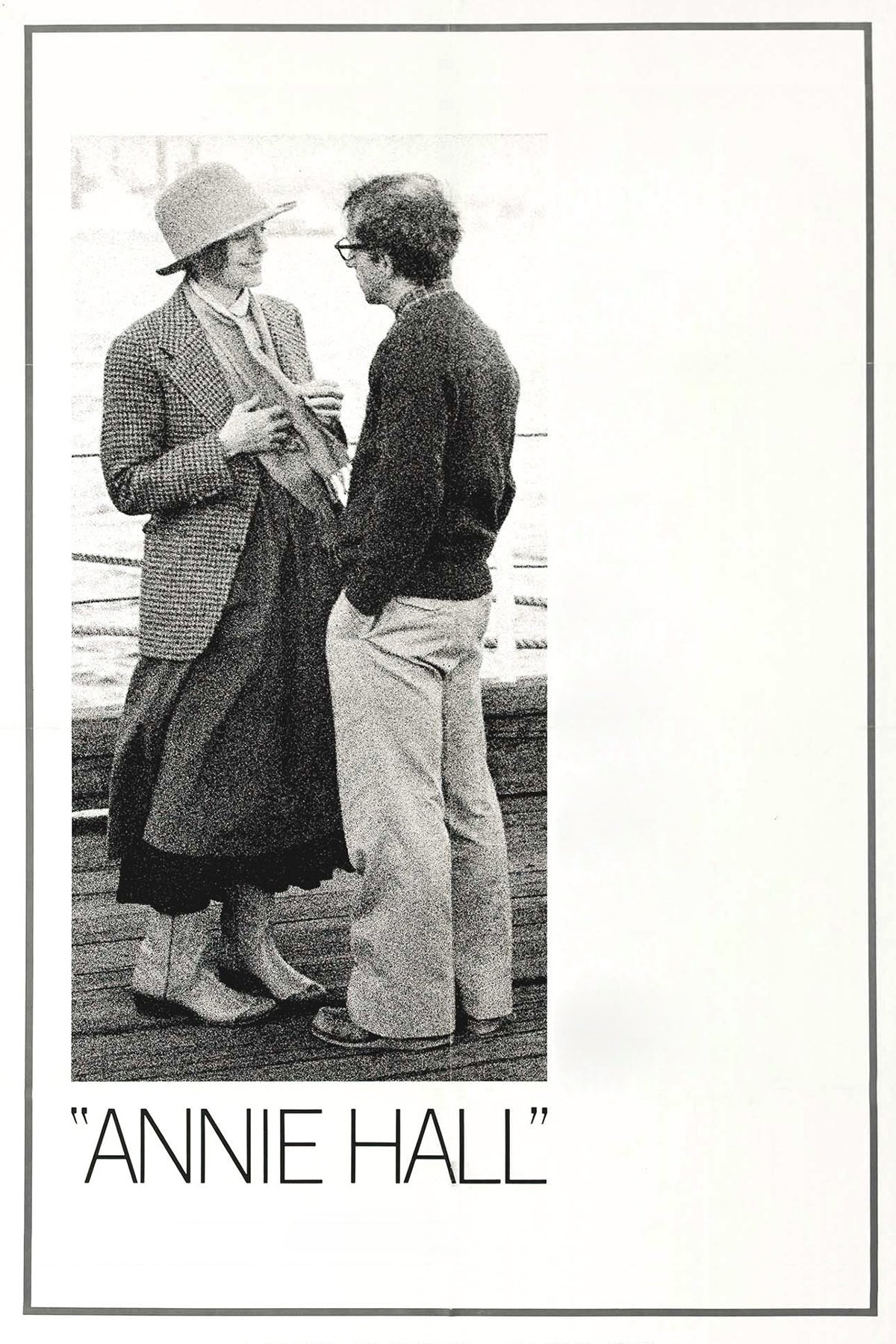
Overall Critical Reception
The first time I encountered the critical dialogue around this film, I was struck by how intensely personal those reactions often seemed—even among professional reviewers who typically prize objectivity. Back in 1977, critics didn’t just respond favorably; there was a palpable sense of excitement in the vocabulary they chose, as if they’d unexpectedly stumbled upon something that shifted their understanding of what a romantic comedy could achieve. From my own immersion in reviews both contemporary and retrospective, I’ve come to feel as though the initial wave of responses set a new bar for films in this genre. Many reviewers lauded the way it dismantled typical story structures; some went so far as to call it a watershed for American cinema, especially in the realm of character-driven storytelling. I noticed that this wasn’t faint praise aimed to placate popular taste, but rather genuine admiration for its craftsmanship and wit.
In the years since, when I sift through assessments by film historians and critics looking at it with decades of hindsight, I see surprisingly little backpedaling or reevaluation in a negative direction. If anything, later commentators seem to have doubled down on the film’s merits, frequently describing it as a pivotal work that reshaped both the arc of its director’s career and the standards of romantic comedies as a whole. What stands out in these evaluations, at least to me, is the consistent emphasis on its innovation—the intermingling of offbeat humor, self-awareness, and direct address to the audience. Rarely do I encounter retrospective criticisms that challenge the foundational acclaim; instead, the film is repeatedly referenced as a touchstone against which later examples in the genre are inevitably measured.
I’ve also noticed that its critical reception isn’t merely rooted in nostalgia or the glow of awards season prestige; rather, the conversations tend to be about its lasting freshness and enduring relevance. Even contemporary writers, whose reference points reach far beyond the 1970s, still tend to frame it as an exemplar of sharp dialogue and unexpected vulnerability. My sense is that its reputation remains largely untarnished by the passage of time, and the circles I observe—film scholars, critics, and even directors offering homage—continue to keep it at the forefront of discussions concerning influential American cinema.
Major Film Rating Platforms
- IMDb – I’ve watched the user scores and voting patterns for this film hold steady in a high range for years. The sheer volume of ratings is striking: it consistently attracts new viewers, from cinephiles to casual watchers, and that broad base gives me a sense of genuine popular engagement rather than insular film-buff adoration. What’s always interested me is the distribution curve—while there’s a predictable cluster at the higher end (suggesting widespread appreciation), I also see a small but consistent sliver of lower ratings, typical of divisive works that don’t cater to all tastes. To me, this breadth reflects the film’s willingness to embrace idiosyncratic, sometimes polarizing, styles rather than chase universal appeal. The average score sits comfortably among top-rated comedies from the era, suggesting its legacy isn’t confined to a narrow segment of nostalgia-driven voters but enjoys enduring cross-generational interest.
- Rotten Tomatoes – When I look at the split between professional critics and the wider audience on Rotten Tomatoes, the distinction jumps out: the “Critics’ Score” lands nearly at the summit—almost universal endorsement—with lengthy, enthusiastic blurbs dating back to its first screenings. The “Audience Score,” while similarly high, occasionally lags just a few points behind, which for me often signals a slight divergence in expectations. My reading is that critics most appreciate the script’s cleverness and formal inventiveness, while some general viewers may feel less awed by its structure or more detached from its era-specific humor. Yet, both numbers cluster close to the upper reaches, which I interpret as widespread acclaim that’s not simply limited to the critical establishment.
- Metacritic – On Metacritic, I see the cumulative effect of aggregated mainstream reviews translating into a robustly high composite score. What impresses me is how little that score fluctuates year-to-year—a sign, perhaps, of the consensus being firm and deeply rooted rather than subject to trend-chasing or revisionist narratives. When I dig into the excerpted reviews, it becomes clear that any points deducted by individual critics are generally for minor quibbles rather than fundamental flaws. The weighted average feels well-earned, and, in my estimation, reflects a near-universal professional affirmation of its artistry and impact.
Audience Response and Popular Opinion
I’ve always found it fascinating how general audiences often respond to this film with both affection and a certain wariness. While film critics have almost uniformly showered it with praise, broader public sentiment exhibits more variety. Speaking from my long-term observation of viewer forums, online discussion boards, and word-of-mouth at screenings, I’d say the film genuinely connects with a sizable portion of viewers, earning repeat watches and fervent recommendations. Its punchlines and memorable lines circulate even among people who might not be habitual cinephiles, which speaks to its penetration into mainstream culture.
Yet, compared to critical circles, I’ve noticed that audiences sometimes approach it more tentatively. Some embrace its neurotic humor and meta commentary, but others feel left out by its self-consciously intellectual style or period-specific references. I frequently encounter posts or anecdotes from first-time viewers who expected a more straightforward romantic comedy and instead found themselves grappling with structural experimentation or dialogue that feels more like New York theater than Hollywood. Despite this, appreciation remains high. The film reliably appears on lists of favorites, often introduced by someone as, “the one romantic comedy I can watch over and over.” At group viewings and public screenings, the laughter and knowing sighs I hear suggest it continues to elicit genuine emotional response, even if the pace or introspection occasionally divides opinion.
I believe general audiences gravitate toward the film’s approachable honesty, even if they don’t always embrace all of its stylistic choices. Rarely does popular consensus dip into outright negativity. Instead, most express a sort of respectful warmth—a sense that even if this isn’t their absolute favorite, they respect its influence and craft.
Points of Praise
- Inventive Storytelling Techniques – I can’t recall another romantic comedy from that era that so gleefully broke the fourth wall and bent narrative conventions. The film’s willingness to speak directly to its audience, employ fantasy sequences, and sidestep conventional timelines made it stand out to me as a risk-taker. These flourishes weren’t mere gimmickry, but instead felt integral to its voice. Watching it now, I still feel that sense of surprise when a character suddenly interrupts a scene to editorialize, or when the movie pivots into a flashback with self-aware commentary.
- Sharp, Witty Dialogue – For me, the verbal exchanges are a primary draw. The script crackles with lines that continue to echo in pop culture; it’s rare for a film to combine philosophical musings and self-deprecating humor so effortlessly. I find the repartee both literate and accessible, capturing a very specific blend of urbane neurosis and genuine vulnerability. This sharpness is what invites repeat viewings—I keep finding new turns of phrase that I missed before, and the rhythm of the conversations feels alive in a way that few comedies achieve.
- Character-Driven Focus – The performances—especially by the leads—anchor the movie beyond its stylistic experimentation. I’m especially drawn to the portrayal of complicated, flawed adults trying to communicate, which imbues the story with a sense of lived-in authenticity. The film allows for awkward pauses, unfinished thoughts, and uncomfortable silences in a way that mimics real relationships. It feels as though I’m eavesdropping on the private moments between friends rather than observing staged romantic banter, and that’s an accomplishment deserving of all the acclaim.
Points of Criticism
- Insular Cultural References – While I appreciate the specificity of the film’s setting and influences, I often notice viewers—especially those outside American urban milieus—struggling with the density of its cultural allusions. The in-jokes about intellectual circles, New York artists, and 1970s trends enrich the film for some, but occasionally leave others feeling like outsiders. In my estimation, this is a real obstacle to universal enjoyment; it narrows the audience pool and makes it harder for the film to transcend its immediate context.
- Pacing and Structural Experimentation – Although I personally revel in the fractured, nonlinear storytelling, I’ve heard—and sometimes felt—criticism regarding its pacing. The film meanders, not always moving toward a tidy resolution; it circles back, pauses, and sometimes indulges in tangents. For viewers who crave clear narrative progression or a traditional sense of rising action and catharsis, this approach can be alienating. I’ve witnessed some describe it as aimless or self-indulgent, and I don’t think those critiques are entirely without merit, depending on one’s taste.
- Limited Emotional Accessibility – I’m aware that the film’s particular flavor of humor—self-analyzing, neurotic, and often wrapped in irony—can create a barrier between the characters and the audience. There are stretches where vulnerability slips into self-absorption, and where pathos is undercut by a wisecrack. Though I admire the sophistication of that balance, I acknowledge that it can leave some viewers feeling disconnected from the emotional core of the story. I’ve spoken to people who appreciated the craft but felt emotionally held at arm’s length, craving a deeper payoff or resonance than the film was prepared to offer.
How Reception Has Changed Over Time
Looking at the film’s legacy through my own evolving lens—and those of reviewers and historians I follow—I see its status as remarkably stable, if not even elevated, as decades pass. From what I’ve observed, there hasn’t been a significant critical backlash or reappraisal that diminishes its stature among romantic comedies. Instead, the language has shifted from praise rooted in novelty to appreciation for its durability and enduring influence.
During quiet nights at repertory theaters or revisitings in academic courses, I’ve soaked up conversations that tend to treat this as an essential reference point. Newer generations, while sometimes less impressed by its technical risks—given how thoroughly they’ve been absorbed into mainstream language—still seem to return to the film as a model for blending intimacy with satire. I rarely encounter regret or repudiation in critical circles; if anything, contemporary reassessment has emphasized the skill of its construction and the boldness of its choices, especially as mainstream filmmaking becomes more formulaic.
On occasion, I do see discussions about how changing cultural currents affect the film’s reception, particularly regarding shifts in humor and representation. Some critics have noted that certain jokes or characterizations have aged less gracefully, raising questions about their resonance in newer social climates. But, based on my own readings and filmgoing experience, these critiques seem to dent rather than demolish its reputation. People still reference it as an influential high-water mark; articles, think pieces, and retrospectives return to it with a spirit of celebration far more often than hand-wringing.
Overall, from where I stand as both watcher and analyst, the film’s reputation hasn’t merely endured—it’s been actively reinforced by generations who look to its inventive spirit and rich performances as aspirational benchmarks. Whatever mild dips might occur in its cultural cachet tend to be transient and context-driven. Each time I witness another filmmaker citing it as inspiration, or another fan discovering it anew, I feel that its legacy is about as secure as any film from its era could hope for.
To go beyond scores and understand what shaped these reactions, background and interpretation can help.
🎬 Check out today's best-selling movies on Amazon!
View Deals on Amazon