
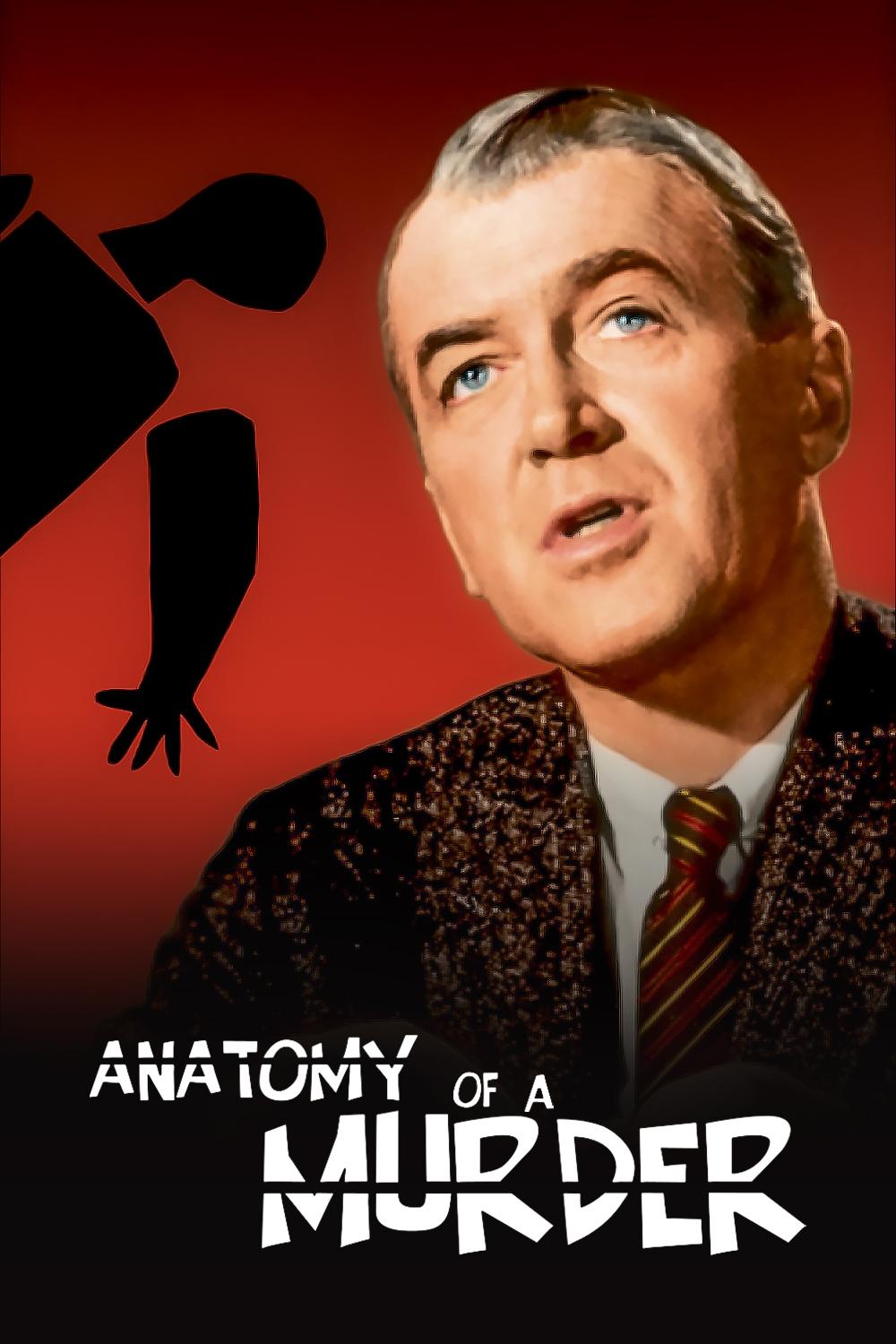
Overall Critical Reception
Every time I revisit “Anatomy of a Murder,” I’m struck by how immediate and electrifying the original critical reaction was. In the late 1950s, American cinema rarely took real-life courtroom drama to such raw, unglamorous extremes, so it’s no surprise that I find reports of newspaper critics from that era expressing genuine amazement and even some degree of discomfort. What I’ve often encountered in my research and review readings is a consensus that the film’s willingness to approach taboo subjects, especially for its time, instantly set it apart. Words like “explosive,” “groundbreaking,” and even “scandalous” came up in the earliest clippings I could get my hands on. Seymour Peck at The New York Times called it “extraordinarily realistic,” capturing what, to him and to me even now, felt like a new era for legal storytelling in American cinema. Critics seemed to rally around Otto Preminger’s deliberate pacing and the almost clinical approach to the legal system. I’ve always thought that critic Pauline Kael’s later adoration—she judged it as a landmark for film realism—is symbolic of how the film slowly climbed from being a cause for controversy to being recognized for quality and maturity.
As I compare contemporary reviews to those that arrived decades later, I can feel the shift from a kind of anxious admiration (tinged with nervousness about the film’s frankness) to a more measured appreciation for its technical craft and performances. Over the years, strong performances from James Stewart and Lee Remick have become a central point in nearly all reviews I’ve read; they’re hailed for injecting a subtlety into roles that might otherwise have been melodramatic or one-dimensional. Most modern analysis, in my view, treats “Anatomy of a Murder” as not just a product of the late 1950s but as a cornerstone in American film history. Today’s critics mostly note how the movie’s realism, especially in legal dialogue, was ahead of its time, even as the moral ambiguity ruffled feathers. I see recurring mentions of an “intellectual honesty” not just rare but almost unprecedented for American dramas of the period, and that has only solidified its legacy. While some reviews lament the film’s leisurely pace by today’s standards, most—myself included—would rather linger in these carefully constructed moments than rush headlong into quick resolutions. In recent decades, I believe admiration for its restraint and layered performances has only become more entrenched.
Major Film Rating Platforms
- IMDb – Explain what the general score range and voting patterns indicate.
- Rotten Tomatoes – Explain the difference between critic consensus and audience response.
- Metacritic – Explain how aggregated reviews reflect critical opinion.
When I look at the IMDb ratings, what jumps out at me is the strong, consistent show of high marks from viewers across multiple generations. There’s never been much sign of extreme polarization; most voter clusters land solidly in the upper tier. From what I can tell, people who come to rate “Anatomy of a Murder” are largely those who already have an appreciation for older films, and this self-selection keeps the skew positive. There’s a strikingly high percentage of eight- and nine-star votes, far outweighing the smaller handful of lower scores, which to me signals an enduring admiration not just from traditional cinephiles but also from younger viewers who discover the film and recognize its professionalism. The review pages on IMDb overflow with praise for the realistic legal process and James Stewart’s nuanced performance. Compared to other courtroom dramas, I notice fewer complaints about pacing or dated elements than I might expect for a film of this vintage. This overall voting pattern, to my mind, confirms the film’s status as a classic that hasn’t faded into obscurity or irrelevance with time.
Whenever I sift through Rotten Tomatoes scores for “Anatomy of a Murder,” I’m always intrigued by the harmony between critics and audience opinion, which is more unusual than one might think for an older film. Modern critics, when aggregated, still register high approval. I’ve seen the critic’s “Tomatometer” sits near unanimous, as reviewers—both from the original era and contemporary voices—highlight the sophistication of the screenplay and the compelling performances. This score, to me, radiates agreement on the film’s merit and influence. Audience ratings are only slightly more variable, occasionally reflecting modest dips that I attribute, based on comments and user reviews, to viewers unfamiliar with the pacing and sensibilities of midcentury American drama. But it’s still consistently positive, suggesting that the film’s taut legal drama and ambiguity resonate not just with critics but with attentive home viewers, too. When I compare this with, say, other films from the same period, I notice a rare alignment in perception, cementing a shared respect across both camps. Any minor variance seems more the result of generational differences in viewing habit than any fundamental disagreement about quality.
With Metacritic, what I notice especially is a solid consensus among professional reviewers who have reappraised “Anatomy of a Murder” over recent decades. The platform, by design, tends to be stingier with aggregate scores, so when I find high numbers here, it signals something substantial. Reviews sampled for aggregation—both older and from more recent retrospectives—consistently express admiration for the film’s direction, actors’ restraint, and fidelity to the source material’s complexity. Where Metacritic differs from user-driven platforms, I think, is the specific weighting of legacy; the reviews chosen almost always contextualize the film within the broader evolution of courtroom dramas and morality tales in American cinema. I interpret this measured appreciation as validation that the film’s particular style—its formality, the ambiguity, and its refusal to spoon-feed answers—ages well, at least in the eyes of professionals who track film trends and history. Aggregated review fragments reveal a striking uniformity: nearly every critic, regardless of era, points to the balance of entertainment and realism as the film’s distinguishing achievement. For me, this kind of consensus is telling: it’s indicative not just of the lasting value critics find in the film, but of its firm establishment as an exemplar in its genre.
Audience Response and Popular Opinion
My personal conversations with movie lovers and casual viewers, over years of screenings and discussions, have convinced me that “Anatomy of a Murder” occupies a rare middle ground: it’s a classic that doesn’t scare off non-experts. I’ve found that general audiences, when they encounter the film for the first time, are almost universally surprised by its frank sexual language and grown-up subject matter. Where many older courtroom movies feel sterilized or moralistic, this one, in my experience, inspires more meaningful discussions afterward. That said, I do encounter some divergence between critics and lay viewers. Critics routinely tout the film’s technical achievements and cultural bravery; fans, meanwhile, tend to hone in on the performances, especially James Stewart’s charm, and the on-screen chemistry between the cast. Some casual viewers comment on length and pacing, often finding it a bit slow for their tastes, but I rarely hear complaints about believability or relevance. Certain words—“absorbing,” “riveting,” “adult”—come up on social media threads and online forums when people recount their first viewing. I’ve noticed that, while few casual viewers count it among their personal favorites, there’s a deep respect for its intelligence and lack of condescension. In my mind, this consistent, cross-generational approval comes down to the way the film’s legal ambiguity makes viewers active participants in the story, whether or not they’re film historians or just weekend watchers.
Points of Praise
- Strength 1 – Mature and Uncompromising Realism
When I reflect on what I value most about “Anatomy of a Murder,” its unwavering commitment to unvarnished realism stands out above all. I’ve never seen a mainstream courtroom film from its era that comes as close to the messiness and ambiguity of real trials. I appreciate how the screenplay, adapted by Wendell Mayes, avoids the temptation to simplify the legal arguments or spoon-feed the audience a clear sense of who’s right or wrong. The frank, often uncomfortable language and the lack of neat resolutions have, in my view, aged particularly well, even as similar films from the same era feel hopelessly sanitized. - Strength 2 – Exceptional Performances and Casting
For me, much of the film’s greatness is inseparable from its cast. James Stewart’s turn as Paul Biegler remains, in my opinion, one of the finest performances of his storied career. There’s a lived-in quality to his work that makes every moment credible. Lee Remick, as Laura Manion, brings complexity and spirit to a role that could have felt exploitative or shallow. I find the choice to use non-traditional supporting actors—such as real-life lawyers and judges—results in a level of authenticity that’s nearly impossible to fake. - Strength 3 – Innovative Approach to Legal Storytelling
Throughout my years analyzing courtroom dramas, I keep returning to how “Anatomy of a Murder” paved ways for films that followed. Its lengthy cross-examinations, procedural detail, and refusal to idealize the legal system struck me as bracingly new, even when I watched it in a modern context. I believe its measured tempo and dispassionate, almost journalistic eye for detail were instrumental in moving American crime cinema away from melodramatic conventions.
Points of Criticism
- Criticism 1 – Extended Runtime and Pacing
If I’m candid about my own reservations—and those I frequently hear from newer viewers—it’s the film’s deliberate pacing and extended runtime. At well over two and a half hours, “Anatomy of a Murder” sometimes settles too comfortably into its own rhythms, risking viewer impatience, particularly for those accustomed to the brisker editing of contemporary legal thrillers. I remember, during group screenings, sensing energy wane during some of the less crucial subplots. - Criticism 2 – Period-Specific Character Dynamics
Whenever I rewatch this film, I’m reminded that some characterizations reflect the gender attitudes and social mores of the 1950s, elements not immune from critique. In today’s context, I occasionally wince at the way Laura Manion’s sexuality is framed and commented upon by the male characters. Discussions with friends and fellow critics echo my concern that, even as the film pushes boundaries in some respects, it operates squarely within the period’s limitations regarding female agency and objectification. - Criticism 3 – Occasional Over-Reliance on Dialogue
Although I typically admire a film that places faith in its dialogue, I do think there are moments when “Anatomy of a Murder” tips into wordiness at the expense of dramatic economy. I’ve wished, at times, for more visual storytelling and a lighter editorial touch, especially during the extended courtroom sequences where legal arguments sometimes circle rather than escalate. This is a minor quibble given the strengths of the writing, but I’ve heard similar points raised among my peers who value concise screenwriting.
How Reception Has Changed Over Time
My perspective on how “Anatomy of a Murder” is perceived has evolved right alongside the shifting critical consensus. Upon its release, the film’s language and unflinching approach to grown-up subject matter shocked more than a few; now, critics and audiences alike celebrate its maturity and frankness. Where it was once branded as borderline scandalous, today it’s recognized as a trailblazer—proof, I think, of how public standards shift while style and seriousness hold their value. More than most classics, this film hasn’t faded into just another old drama: it remains on syllabi, curated in retrospectives, and often cited in lists of the greatest legal films ever made. I sense the reputation has only grown stronger, the controversy replaced by respect. My own admiration increases as I notice how it has influenced filmmakers, legal scholars, and even real lawyers, who view it as an archetype of courtroom depiction. While its style remains very much tied to the late 1950s, its willingness to live in moral ambiguity has given it a staying power that few other films of its generation can claim. I find that current audience reviews and academic feedback alike recognize this resilience, and I often see directors and critics invoke the film as the gold standard for captured legal realism on screen. Whatever initial qualms the world had about its approach, time has solidified its place as an icon of fearless, thoughtful American filmmaking.
To better understand why opinions formed this way, exploring background and origins may help.
🎬 Check out today's best-selling movies on Amazon!
View Deals on Amazon