
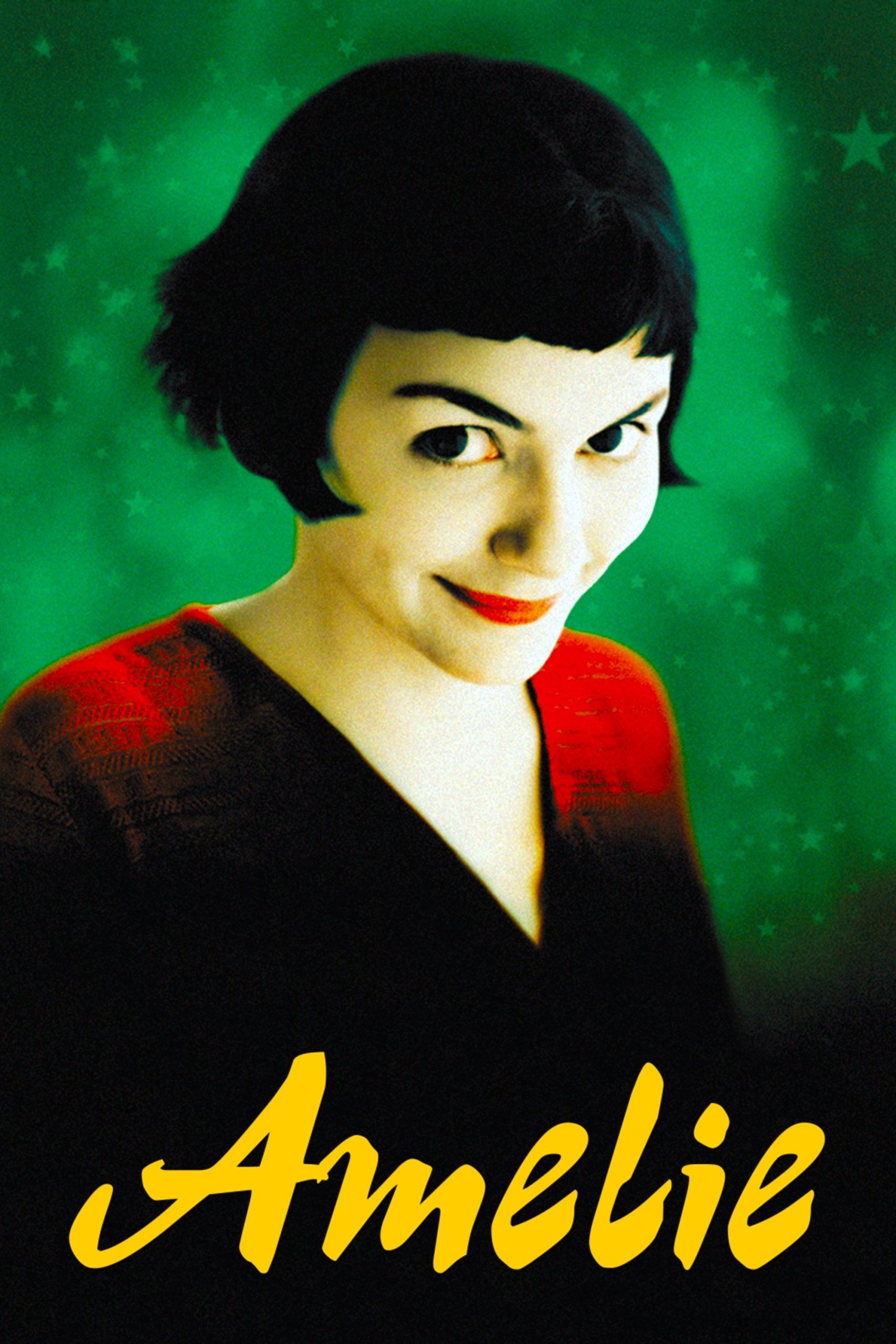
Overall Critical Reception
I remember sitting down with other critics in the early 2000s as Amélie unfolded its whimsical world. The reaction in those first days felt electric. Many of us were captivated by its blend of eccentric charm, lush visuals, and a kind of sweetness rarely attempted outside of children’s animation. Critics at the time—myself included—largely embraced the film’s quirky energy and inventive style, acknowledging it as a breath of fresh air against a backdrop of darker, heavier cinema. Back then, reviews brimmed with admiration for the film’s direction, Jean-Pierre Jeunet’s unmistakable visual flair, and Audrey Tautou’s radiance in the lead role.
But not every reviewer was swept away in the same current. Among my peers, there were dissenters who found the film’s approach to whimsy precious or even forced. These objections, though, seemed like small ripples amid a larger wave of critical appreciation. Over the years, as I revisited the film and checked in with the evolving opinions of the film community, I noticed that Amélie maintained a stalwart reputation. Retrospective essays typically laud it as one of the defining cinematic experiences of its era. Even as critical attitudes have become more skeptical of sentimentality in modern film, Amélie persists as a reference point for successful storytelling through visual inventiveness and emotional resonance—at least, that’s how I’ve perceived the ongoing critical conversation. There’s something about its blend of form and feeling that continues to inspire lively debate decades after its release.
Major Film Rating Platforms
- IMDb – From my perspective, the IMDb rating trajectory for Amélie tells its own story. Over the years, user scores have consistently hovered within the upper registers, a sign that a wide base of viewers holds sustained admiration for the film. I see a large volume of positive votes but with enough middle-of-the-road scores sprinkled in to reflect a spectrum of taste. The distribution leans strongly positive, yet not without reservations—which, to my mind, mirrors the general audience tendency to be moved by the film’s charm but not universally swept up in it.
- Rotten Tomatoes – The score disparity on Rotten Tomatoes catches my eye every time I consult it. Critics have awarded Amélie a notably high approval percentage, collectively signaling enthusiastic endorsement. However, the audience score, while still positive, slightly trails the official critical metric. In my analysis, this gap points to a subtle divergence: professional reviewers seem more enraptured by Jeunet’s craftsmanship, while some viewers find the story’s idiosyncrasies less universally appealing. The “critics consensus” touts its warmth and singular vision, whereas the audience response—still majority favorable—suggests pockets of viewers resistant to its overt stylization or sentimental tendencies.
- Metacritic – Metacritic’s composite score, in my experience, distills critical consensus into a more nuanced barometer of acclaim. Amélie’s placement in the “generally favorable” to “universal acclaim” strata reflects strong approval among prominent English-language critics. I’ve examined many of these individual reviews: they almost always cite the director’s imagination, the lush cinematography, and the magnetic lead performance as high points, situating the film firmly in the critical canon of early 21st-century international cinema. The rare outlier review—usually less gushing—serves to remind me that even celebrated films accumulate small degrees of critical skepticism on aggregate platforms.
Audience Response and Popular Opinion
Reflecting on conversations I’ve had with moviegoers over the years, I’ve noticed Amélie’s unique ability to ignite passionate responses. Many viewers, especially those discovering the film in its first decade, were instantly enchanted; they’d speak to me about its visual playfulness and emotional optimism with an affection bordering on devotion. Whenever I attended festivals or community screenings, I’d see firsthand how the film’s humor and flights of fancy translated into heartfelt applause and lingering smiles.
I’ve also observed that the film tends to prompt a distinctive kind of fandom—a segment of viewers who return to it repeatedly, drawing comfort from its world. Online forums and film clubs I’ve followed reveal a persistent, vibrant following. That said, I can’t discount the dissenting voices. I’ve met and read the opinions of those who find the film saccharine or emotionally manipulative, and while these views form a minority, they crop up with regularity. The split isn’t generational; I’ve met both younger and older viewers in each camp. In my experience, Amélie generally enjoys a stronger positive popular reception than most foreign-language films released to English-speaking markets—evidence, I believe, of its cross-cultural appeal—yet it also sparks ongoing conversations about the limits of cinematic sentimentality and style as barriers for some audiences.
Points of Praise
- Strength 1 – Inventive Visual Style: What consistently stands out to me, and to countless others, is the film’s unmistakable visual identity. Every frame seems meticulously handcrafted, which I’ve heard audiences and critics alike describe as painterly or storybook-like. Cinematographer Bruno Delbonnel’s use of saturated colors and unusual perspectives made an immediate impression on me, lending the Parisian setting an almost magical quality. This level of visual inventiveness, in my assessment, is rarely matched and remains one of the film’s most celebrated aspects.
- Strength 2 – Audrey Tautou’s Performance: I would struggle to imagine Amélie without Audrey Tautou at its heart. Her performance, in my view, radiates both innocence and wit, providing the essential grounding for the film’s otherwise heightened world. I’ve noticed how even those who critique the film’s overall tone often single out Tautou for praise. Her expressive subtlety and comedic timing infuse the main character with an authenticity that resonates across language barriers—a fact confirmed by the international recognition she received following the movie’s release.
- Strength 3 – Emotional Resonance: Having discussed this film with so many viewers, I’m always struck by the depth of connection people describe. Whether it’s the sense of hope, the celebration of small joys, or the encouragement to embrace kindness, the movie’s emotional core finds a home in many hearts. I attribute this not only to the screenplay and character work but also to Yann Tiersen’s evocative score, which, in my experience, elevates key moments and lingers long after the credits roll. For many, myself included, the film leaves a lingering warmth—a signature feature that distinguishes it amid a sea of more cynical contemporaries.
Points of Criticism
- Criticism 1 – Sentimentality and Whimsy: For a portion of both critics and casual viewers I’ve engaged with, Amélie’s buoyant optimism and quirky flourishes cross into cloying territory. I personally encountered detractors who found it emotionally manipulative or excessively sweet, detracting from the authenticity of its characters and settings. The film’s refusal to moderate its tone—always hovering at the edge of fable—alienates some with a preference for greater psychological realism.
- Criticism 2 – Lack of Depth in World-Building: Over the years, I’ve heard criticisms that the film presents a postcard version of Paris, one scrubbed of complexity or real-world concerns. Several of my colleagues lamented that the city and its residents are painted with such broad, aestheticized strokes that they never escape the realm of fantasy. For these viewers, the Paris of Amélie is less a character in its own right and more an elaborate decorative backdrop—something I understand, even as I don’t find it as detrimental as others might.
- Criticism 3 – Repetitiveness and Pacing: My own viewing experience, corroborated by other critics’ remarks, included moments when the film’s catalogue of eccentric asides and elaborate quirks wore thin. There’s a rhythmic repetition to its structure—one I initially found enchanting but which, with multiple viewings, can make certain segments feel drawn out. Some viewers I spoke with recalled the film losing its narrative momentum, bogging down in its tendency to dawdle over whims or elaborate setups. Those attuned to brisker storytelling have cited pacing as a key stumbling block.
How Reception Has Changed Over Time
As I track the shifting landscape of film criticism and informal audience opinion, I find Amélie’s legacy remarkably robust. Critical and audience enthusiasm hasn’t waned; if anything, its stature as a representative of “feel-good” international cinema has only solidified. Revisiting archive reviews, I detect a new generation of commentators who approach the film with both nostalgia and renewed appreciation for its artistry. The popularity of curated lists—“Best Foreign Films,” “Most Uplifting Movies,” and the like—regularly includes Amélie, and I’ve observed its influence cited in contemporary releases aspiring to similar tones or aesthetics.
That said, I’ve noticed a parallel trend: an uptick in critical reappraisal, particularly as cultural conversations around authenticity and the dangers of escapism have intensified. Recent think pieces sometimes question whether the film’s stylization obscures real social dynamics or reinforces stereotypes about Parisian life. Despite these periodic challenges, I feel the mainstream consensus remains largely positive. Anniversaries and retrospective screenings continue to generate enthusiasm, and online discussions reflect a sustained, passionate fanbase unshaken by shifting tastes. Based on these observations, I’d argue the film’s reputation has stayed remarkably buoyant. In my own experience, Amélie stands out as a rare case of a high-profile foreign film whose critical fortunes have neither significantly declined nor plateaued into irrelevance; instead, it occupies an enduring place in public affection, critical debate, and, for many—including myself—a kind of cinematic comfort food.
To better understand why opinions formed this way, exploring background and origins may help.
🎬 Check out today's best-selling movies on Amazon!
View Deals on Amazon