
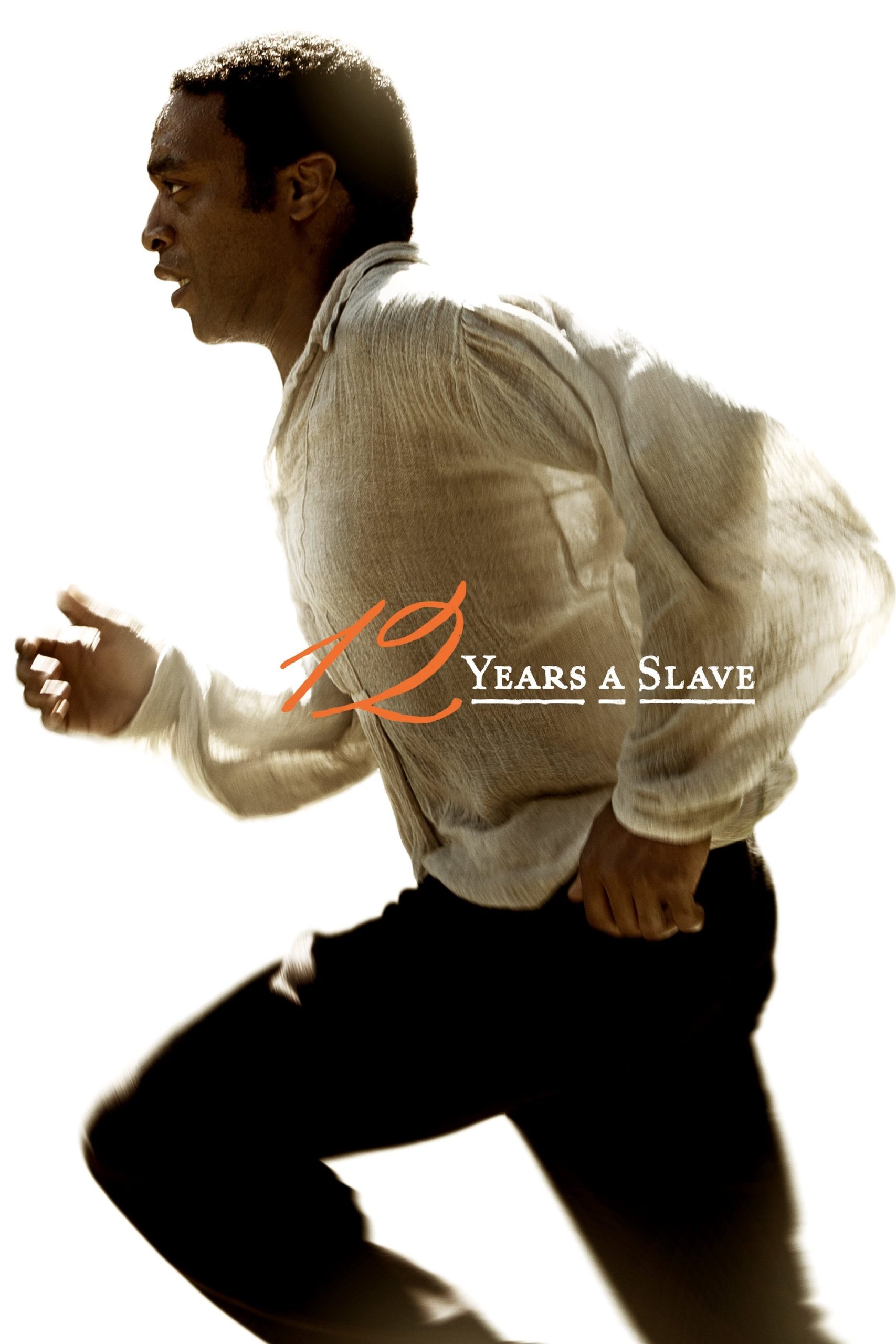
The Film’s Reputation Over Time
Upon its initial release in 2013, “12 Years a Slave” immediately attracted significant attention from critics and audiences alike. Early conversation was dominated by overwhelmingly positive formal reviews, which lauded the film’s craftsmanship, performances, and the unflinching nature of its subject matter. Critics in major publications characterized it as a landmark work within the genre of historical drama, and it quickly became a mainstay in awards season discussions. The film’s commercial and festival circuit success, including its premiere at the Telluride Film Festival and subsequent enthusiastic reception at the Toronto International Film Festival, cemented its status as a must-see film of the year.
The months following its release saw “12 Years a Slave” attain widespread critical acclaim, reflected in numerous accolades. It won Best Picture at the Academy Awards, and received top honors at the Golden Globes and the BAFTAs. Attention to its fidelity to historical reality further strengthened the belief within critical circles that the film was not only a powerful piece of cinema, but also a significant cultural document. As it occupied headlines for its award sweep, the film’s reputation for honesty, intensity, and historical importance solidified.
In the years that followed, “12 Years a Slave” remained prominent in public discourse about historical representation in film, particularly with regard to African American history and the depiction of slavery. The film became emblematic of a shift within Hollywood towards grappling more directly with the legacy of slavery, and was persistently cited in debates about diversity, representation, and film industry gatekeeping.
Despite the challenge of maintaining cultural prominence amidst the rapid pace of cinematic output, “12 Years a Slave” has managed sustained relevance. Retrospectives and best-of-the-decade lists regularly include the film, and its impact is routinely revisited by critics and historians. Its reputation has evolved from a timely release earning instant acclaim to an established reference point for films addressing traumatic historical realities. The continuing inclusion of the film in academic syllabi and film study curricula further highlights its enduring role in critical and cultural conversation.
Critics vs Audiences
From inception, “12 Years a Slave” received critical acclaim at a level rarely matched by popular response. Professional critics wrote at length about the film’s technical virtuosity and powerful performances, with much praise directed at its storytelling restraint and its refusal to sensationalize or soften its subject matter. These insights were reflected in near-universal scores on aggregate review sites, where the film achieved exceptionally high averages based on expert evaluations. Influential critics placed it amongst the most essential films of the 21st century, citing its representation of the horrors of slavery as particularly significant in both cinematic and educational contexts.
The reactions of general audiences were more varied. While many viewers echoed the sentiments of professional reviewers—highlighting the film as urgent, moving, and necessary—there were also notable hesitations. Some audiences found the film challenging to watch due to its graphic portrayal of violence and suffering. Others remarked on the emotional heaviness and confronted their own discomfort with the film’s unflinching realism. Audience scores, while high, generally trailed the stratospheric ratings of professional critics by a few points, an effect not uncommon in works that confront harrowing subject matter. For some, the film’s approach was described as vital and educational; for others, it represented a difficult, even distressing, cinematic experience.
Over time, the gulf between critical and popular perception has lessened. As the film’s cultural importance has become more widely recognized, audience commentaries increasingly emphasize its lasting emotional and social impact. Nevertheless, a tendency persists within general viewership to qualify praise with mentions of the film’s discomfort and harrowing tone—a nuance less prevalent among critics, who frequently frame these same qualities as virtues rather than liabilities.
Controversies and Debates
The intense subject matter of “12 Years a Slave” inevitably led to a spectrum of debate. One major axis of discussion centered on the film’s depiction of violence and trauma. While much critical discussion commended the film’s historical authenticity, some cultural commentators questioned whether such graphic portrayals risked exploitation or contributed to the phenomenon of “trauma porn.” Skeptics voiced concern that audiences, especially those who are not directly descended from enslaved people, might consume such narratives passively without reckoning with the true legacy of slavery and its modern consequences.
Another thread of debate, more pronounced within academic and activist circles, engaged with the film’s focus on Black suffering and survival, with some arguing whether Hollywood films too often privilege stories of victimization over narratives of agency or resistance. These discussions frequently cited “12 Years a Slave” as a primary example in broader conversations about the limits of mainstream cinematic portrayals of historical trauma.
There were also reflections on the context of the film’s production and reception. The significant recognition granted by predominantly white institutions such as the Academy Awards was both celebrated and critiqued. On the one hand, many hailed the victories of the director and actors (notably the first Black British director to receive Best Picture), interpreting the accolades as a progressive turn for the industry. On the other hand, some observers voiced skepticism, questioning whether the embrace of “12 Years a Slave” represented genuine advancement for filmmakers of color or a performative response in a climate of increasing pressure for diversity.
Individual criticisms, though in the minority, also interrogated the creative decisions regarding perspective. Some commentary queried the emphasis on the protagonist’s suffering as opposed to the interiority of other enslaved characters. Other debates touched on the suitability of the film for educational use, especially in settings with younger viewers, given its graphic content. Despite these divergent perspectives, the controversies surrounding “12 Years a Slave” rarely diminished its overall reputation as a powerful and necessary entry in the cinematic canon, instead sharpening ongoing dialogue about how stories about slavery are told and received.
Reevaluation by Modern Critics
Over a decade since its release, “12 Years a Slave” continues to invite fresh rounds of analysis from new generations of critics and cultural commentators. In this period of reassessment, the film is often judged in the context of broader shifts in societal conversations about race, history, and media representation. For many, the movie’s ongoing significance is reinforced by its timely intersection with social and political movements, such as the resurgence of the Black Lives Matter movement in the late 2010s and early 2020s. In editorial retrospectives, the film is referred to not merely as a historical drama, but as an enduring lens through which viewers can reconsider the ongoing consequences of slavery and its reverberations in contemporary society.
Modern commentators have increasingly noted not just the film’s technical mastery, but its role as a catalyst for subsequent productions that address difficult aspects of history and identity. There is recognition that “12 Years a Slave” helped pave the way for the greater diversity of stories and storytellers now seen in mainstream cinema. Critics cite the film as a reference point in evaluating more recent works: its directness and seriousness are often compared favorably to perceived timid or sanitizing approaches in later period dramas.
Additionally, scholars and critics have used the passage of time to reexamine the earlier debates surrounding the film. Where initially some expressed reservations about the risks of “trauma narratives,” newer analyses consider the necessity of honest engagement with history as a corrective to decades of minimization or erasure of slavery’s brutality in American screen culture. Contemporary dialogue often places the film within an evolving tradition of Black filmmaking, situating it alongside newer works and interrogating both its influence and its limitations.
Importantly, reappraisals have emerged that address issues of reception and impact: specifically, how audiences and communities process depictions of painful histories. There is a growing body of critical writing exploring the varied emotional responses that viewers experience and how these reactions intersect with broader educational and cultural imperatives. Modern critics increasingly frame “12 Years a Slave” as essential not only due to its artistic achievement, but also for its capacity to sustain intergenerational dialogue about memory, justice, and collective identity.
Final Assessment of Its Legacy
In the landscape of 21st-century cinema, “12 Years a Slave” stands as one of the most widely discussed and respected films in both critical and popular communities. Its inclusion on best-of-the-decade lists and continued reference in academic, journalistic, and industry conversations testify to its lasting impact. The film is regularly invoked as a benchmark for authenticity in the depiction of American slavery and as a signpost for subsequent film projects that engage with difficult histories.
Within critical circles, the film is broadly regarded as an exemplar of thoughtful and courageous filmmaking. Its reputation for confronting historical atrocity without compromise or sentimentality is repeatedly cited as both a rarity and a necessity in mainstream cinema. The credibility it lent to the careers of its director and cast also reverberates in assessments of their subsequent work, and its influence is often tracked in the choices of newer filmmakers taking on similar subject matter.
Among audiences, the legacy is more nuanced but similarly potent. The film is recognized as challenging but important—an experience that may be difficult to revisit, yet frequently recommended for its educational and emotional depth. The willingness of viewers to engage in such dialogue, to revisit and discuss the film in the years since its release, underscores the respect it commands.
Collectively, “12 Years a Slave” is widely acknowledged as a transformative work, both in cinematic form and in social consciousness. Its reception—marked by both critical celebration and productive controversy—has solidified its place as a reference point in ongoing conversations about the responsibilities of historical storytelling. The film’s role in expanding the possibilities for who can tell these stories, how they are told, and how they are received, has been integrated into the evolving discourse on film and history. Its legacy, therefore, is not merely that of awards and honors, but of continuing influence on the ways cinema engages with collective memory and cultural reckoning.
🎬 Check out today's best-selling movies on Amazon!
View Deals on Amazon